A lot of people assume vintage Christmas lights means literal old bulbs from a box in the attic — the kind that gets one string dark the moment a single filament blows. It doesn’t have to. Incandescent mini-lights still exist new, in the warm amber-yellow that LEDs can’t quite fake, and they’re the closest thing to what actually hung on trees in the 60s and 70s.
The catch is that warm white on a product listing covers a huge range — some are genuinely soft and buttery, others are just cool white with a yellow tint slapped on in the photo. Incandescent bulbs get the real color right because they’re not trying to fake it with a diode.
Quick answer: For the real vintage glow, go incandescent, not LED — the filament produces a warmer, slightly flickering light that LEDs replicate poorly. Clear mini-bulbs on green wire are the closest match to what shipped on trees decades ago; look for UL certification and count the actual bulb spacing before buying, since “150 count” strings vary wildly in how dense they look on a tree.
| Set | Best for | Bulb Type | Length | |
|---|---|---|---|---|
 Pin it Pin it |
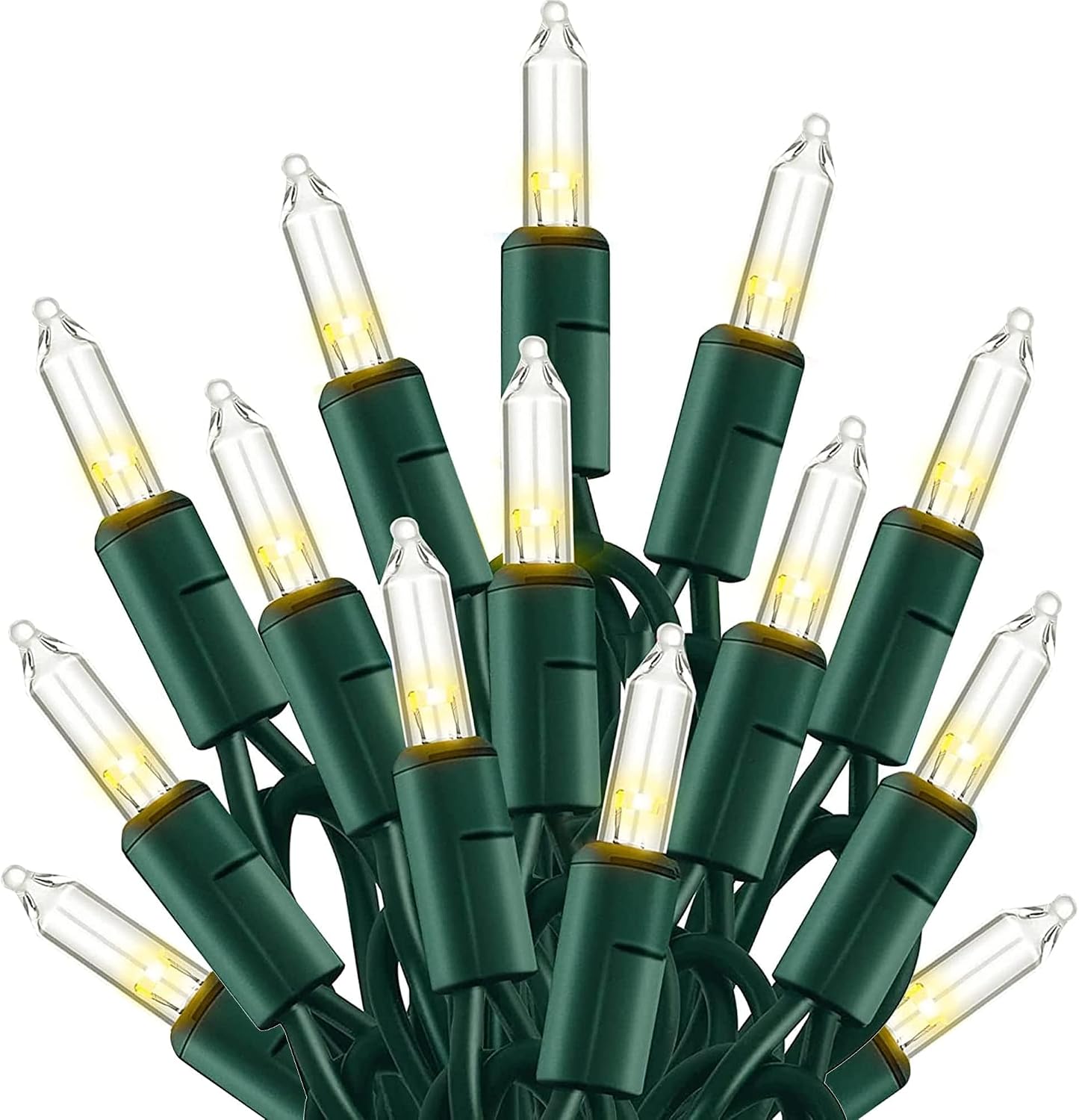
TW SHINE 100-Count | Indoor tree, classic warm glow | Incandescent | 20 ft |
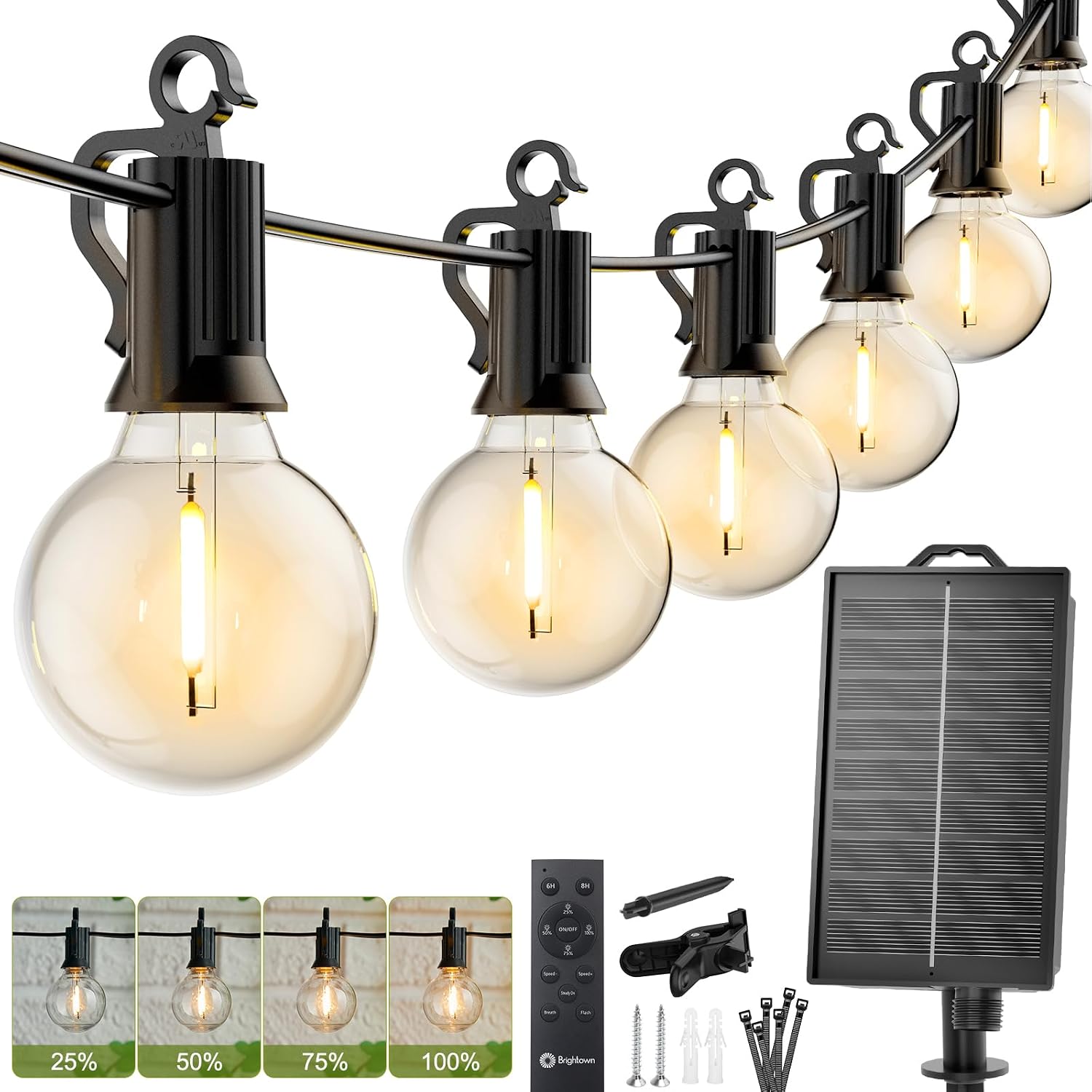 |
Brightown Solar 58ft | Porch or yard, no outlet nearby | Shatterproof LED | 58 ft |
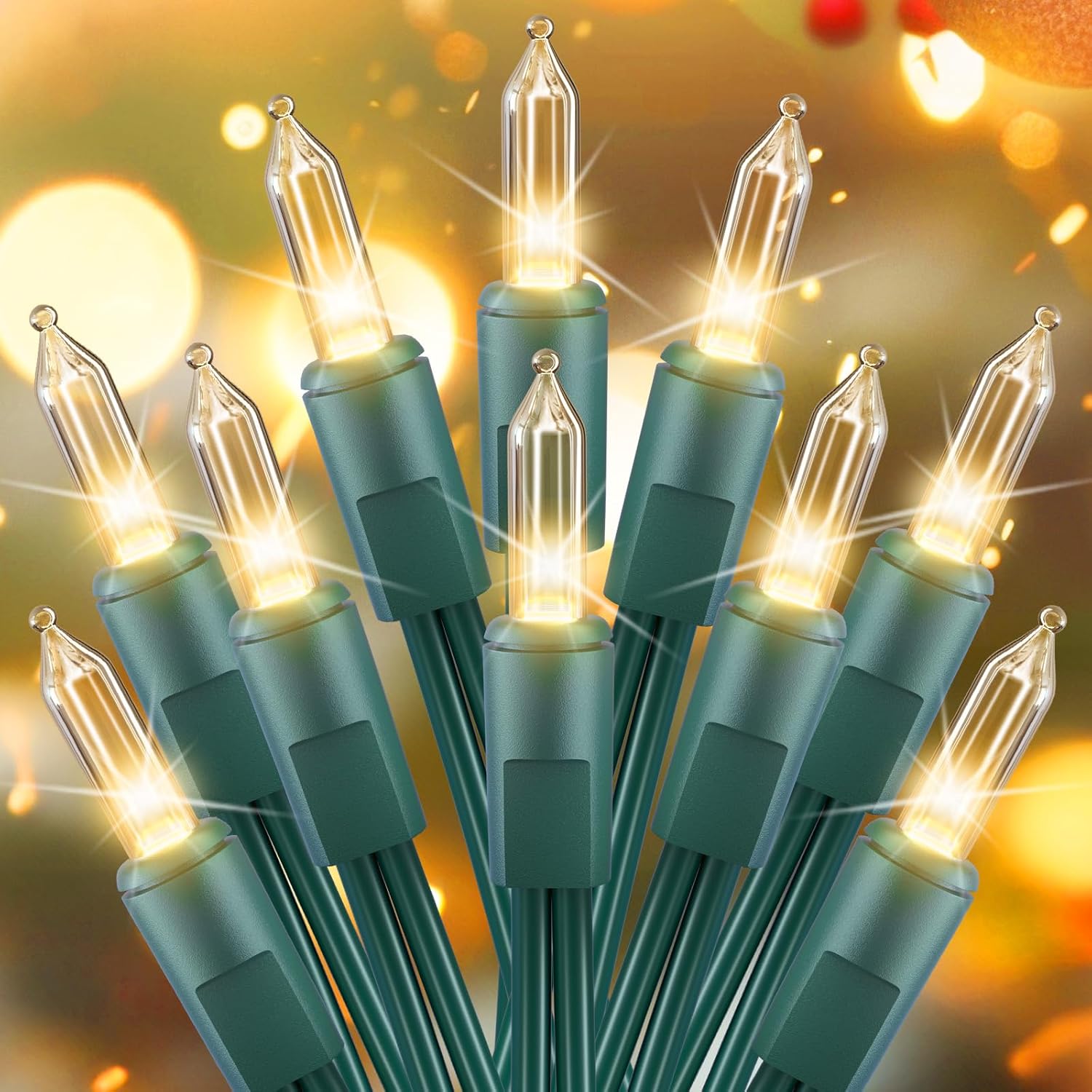 |
Brightown Clear 50-Count | Closest to true vintage look | Incandescent | 10 ft |
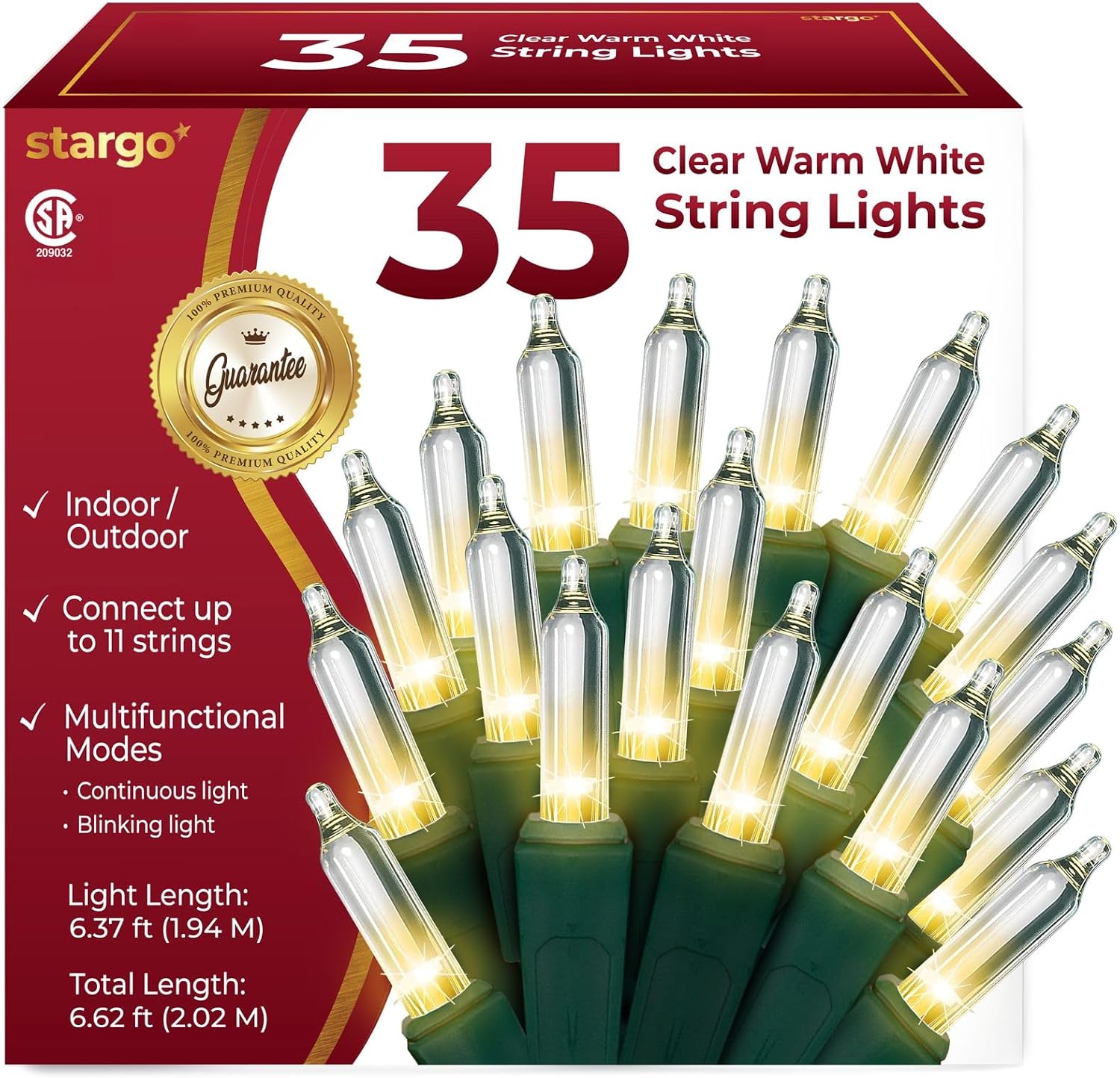 |
Clear Warm White 35-Bulb | Small tree or mantel accent | Incandescent | 6.6 ft |
| 150-Count Mini String | Full-size tree, dense coverage | Incandescent | 29 ft |
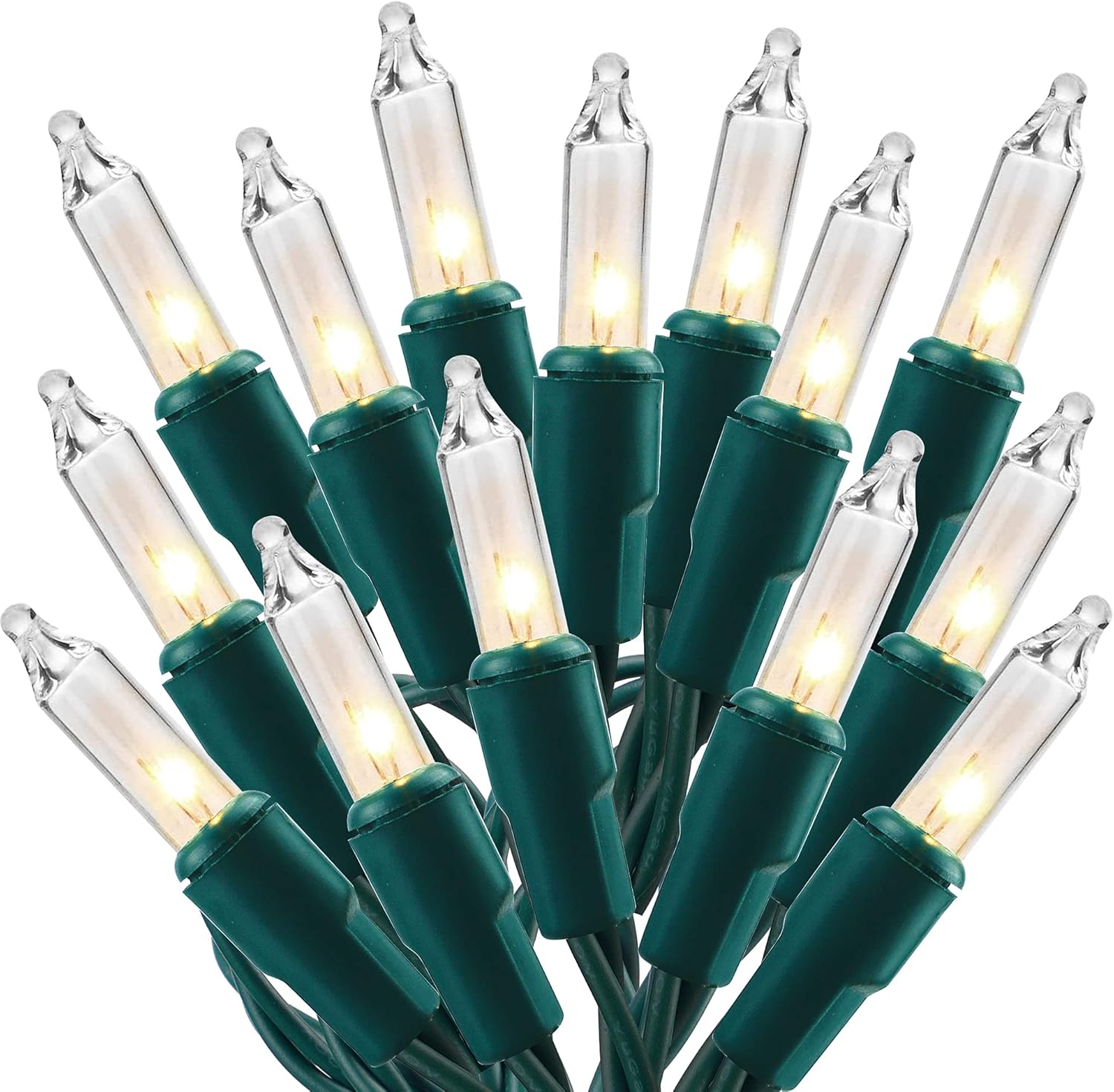
Original strings from the mid-century used clear glass mini-bulbs on green cloth-wrapped wire — the green wasn’t a style choice, it was meant to disappear against the tree needles so only the bulbs showed. That’s the detail reproduction strings still get right today: green PVC wire, clear or lightly-tinted glass, and a warm color temperature closer to candlelight than daylight. Bulb spacing matters more than total count — a 150-count string stretched over 29 feet sits sparser than the same count packed into 10 feet, so check the spacing number, not just the headline count.
How Do You Get the Warm, Antique Glow Without Real Old Bulbs?
Incandescent mini-lights haven’t disappeared — they’re just harder to find on shelves since big-box stores pushed LED as the default. The tell for a genuinely warm string is the bulb material: clear or lightly frosted glass, not a plastic diode cover. Glass bulbs scatter light in a way that reads as flicker and warmth under low room light, which is exactly the effect old strings had before LEDs standardized everything to one flat color.
Green cloth or PVC-coated wire is the other giveaway. Most modern LED strings ship on clear or white wire because it doesn’t need to hide anything — the diodes are already small and dim during the day. Incandescent strings keep the green wire tradition because it was always meant to vanish into the branches.
Best for: closest match to true vintage color
Brightown Clear Christmas String Lights, 50-Count
Clear incandescent bulbs on green wire, at a bulb count and length that mirrors what actually hung on trees before LED took over shelf space in the 2000s. Fifty bulbs across 10 feet keeps the spacing tight, which is the part most modern strings get wrong when they stretch a small bulb count over a long wire and call it full coverage. The bulbs get warm to the touch after an hour running, same as old-style mini-lights always did — that’s incandescent physics, not a defect, and it’s the reason the glow looks different from LED at a glance.
Does Bulb Count Actually Tell You How Bright a String Will Look?
Not on its own. A 150-count string on a 29-foot wire and a 100-count string on a 20-foot wire land at almost the same bulb-per-foot density — so more bulbs doesn’t automatically mean a brighter-looking tree unless the length scales with it. Divide count by length before comparing two listings; that number is the one that actually predicts how the tree will look once it’s wrapped.
For a full-size tree (6-7 ft), a denser string wrapped in fewer passes usually looks better than a sparse string wrapped in more passes — the bulbs read as clustered light instead of scattered dots.
Best for: full-size tree, dense coverage
150-Count Mini String Lights, 29 Feet
UL-certified and built for continuous connect runs, which matters if you’re wrapping a tree taller than 6 feet and don’t want to hunt for a second outlet halfway up. Green wire, warm white bulbs, and a bulb-per-foot ratio that holds up on a full-size tree without looking thin. The connectable design means up to several strings can chain from one plug — check the listing’s max-connect number before assuming you can run five in a row, since exceeding it trips the built-in fuse.
What’s the Right Light String for a Small Tree or Mantel Instead of a Full Tree?
Not every tree is 7 feet tall. A tabletop tree or a mantel garland needs a shorter, lower-bulb-count string — running a 29-foot string on a 3-foot tree just means bunching excess wire behind the branches, which looks worse than a properly-sized short string. Match the wire length to the actual surface before buying based on bulb count alone.
Best for: small tree, mantel, or accent piece
Clear Warm White Christmas Tree Lights, 35-Bulb
A short 6.6-foot run built for exactly this — tabletop trees, mantel garlands, wreaths, or wrapping a stair rail without three feet of slack wire hanging off the end. Multiple lighting modes (steady, flicker, fade) give it more range than a basic single-mode string, useful if the same lights need to do duty on a wreath in November and a mantel garland in December. Clear glass bulbs, not frosted, so the warm tone stays visible rather than getting muted.
What If You Need Lights for the Porch or Yard, Not the Tree?
Outdoor stringing has different requirements entirely — waterproofing rating matters more than bulb color once the string is going to sit through rain or snow. An indoor-rated incandescent string left outside will fail within a season; outdoor listings should show an IP rating (IP65 or higher) explicitly, not just outdoor use in the title.
No outlet near the porch railing or yard tree changes the calculation again — a solar string solves the access problem but trades off the incandescent warm-glow look for LED color, which is worth knowing going in rather than discovering after unboxing.
Best for: outdoor use with an accessible outlet
TW SHINE Warm White Christmas Lights Outdoor, 100-Count
Waterproof-rated incandescent, which is the harder combination to find — most weatherproof strings on the market are LED because sealing a filament bulb against moisture costs more to manufacture. Twenty feet at 100 bulbs keeps a workable density for wrapping porch railings or a small outdoor tree, and the warm color still reads as incandescent rather than the blue-tinted warm white LEDs often ship with. Check the plug end for a rubber gasket cover — that’s the actual weatherproofing, not just a sticker claim.
Best for: no outlet nearby, long outdoor runs
Brightown Solar String Lights Outdoor, 58ft
Solar panel and battery pack mean this one runs anywhere with a few hours of direct sun during the day, which matters for a yard tree, fence line, or gazebo far from an exterior outlet. IP65-rated shatterproof bulbs handle rain without the gasket-and-plug concerns that come with corded outdoor strings, and the remote plus timer modes let it turn on automatically at dusk without anyone flipping a switch. The trade-off is LED color instead of incandescent — closer to a cool-to-neutral white than the amber glow of filament bulbs, worth knowing if color-matching to an indoor incandescent tree.
Looking for more ways to round out a vintage-style holiday display? Our guide to vintage Christmas baubles covers the ornament side of the same look, and our vintage Christmas wrapping paper picks carry the aesthetic past the tree and onto the gifts underneath it.
Frequently Asked Questions
Are incandescent Christmas lights still sold, or is LED the only option now?
Incandescent strings are still manufactured and sold — they’re just a smaller share of shelf space at big-box retailers than they used to be. Online listings carry more of the selection than in-store displays do.
Why do vintage-style light strings use green wire instead of white or clear?
Green wire was designed to blend into pine and fir needles so only the bulbs are visible against the tree. It’s a functional holdover from mid-century strings, not a decorative add-on.
Can incandescent Christmas lights be used outdoors?
Only if the listing specifies an outdoor/weatherproof rating (look for an IP rating). Indoor-only incandescent strings will fail quickly in rain or snow exposure.
How do I know how bright a string will actually look on my tree?
Divide the total bulb count by the wire length in feet — that ratio predicts density better than the bulb count alone, since the same count spread over a longer wire looks visibly sparser.
What’s the difference between warm white LED and incandescent color?
Incandescent bulbs produce color from a heated filament, giving a naturally warm, slightly amber tone with subtle flicker. LED warm white is a manufactured color temperature that can still read as cooler or flatter side by side with real incandescent.
Key Takeaways
- For the real vintage glow, choose incandescent bulbs on green wire over LED — the Brightown Clear 50-Count is the closest match to mid-century originals.
- Bulb count alone doesn’t predict brightness — divide count by wire length to compare strings fairly before buying.
- Outdoor use requires an explicit IP waterproof rating; the TW SHINE 100-Count and Brightown Solar 58ft cover corded and solar outdoor setups respectively.
- Match string length to the actual tree or surface size — a 29-foot string on a tabletop tree wastes wire and looks worse than a properly-sized short string like the 35-bulb option.
About the author: Alina Farley is a POD seller who has spent years curating retro and vintage-style designs and decor for Etsy and Amazon Merch buyers, and knows which vintage aesthetics actually hold up under real-world use versus which ones just look good in a listing photo.