A real, unused vintage Christmas card from the 1950s or 60s is genuinely hard to buy in good condition — age-related wear, missing envelopes, and thin paper that tears on the fold are the norm, not the exception. Most listings that promise “vintage” don’t tell you which kind you’re actually getting until the card arrives.
That’s why reproduction sets have taken over most of this search: they copy the exact look — the foil, the illustration style, the color palette — on paper that survives being mailed, displayed, or clipped to a wreath without falling apart.
Quick answer: If you’re sending cards, want something photo-safe to display, or just want the vintage look without the risk of ruining a decades-old original, a reproduction boxed set gets you there. If you’re specifically collecting for the history — postmarks, printer marks, actual age — that’s a different (and much slower) hunt through estate sales and specialty dealers, not a same-day Amazon order.
Why Do “Vintage” Card Listings Look So Inconsistent?
Online listings for vintage Christmas cards are notoriously uneven — incomplete descriptions, prices that don’t match condition, and sellers who don’t clearly separate an actual antique from a modern reprint styled to look old. None of that is necessarily dishonest; it’s just that vintage-style and “vintage” get used interchangeably by casual sellers in a way that makes browsing exhausting.
The fastest way around this: if a set explicitly says reproduction or is sold as a themed assortment with matching envelopes included, you already know what you’re getting. That certainty is worth more than chasing a possibly-real original with a vague listing.
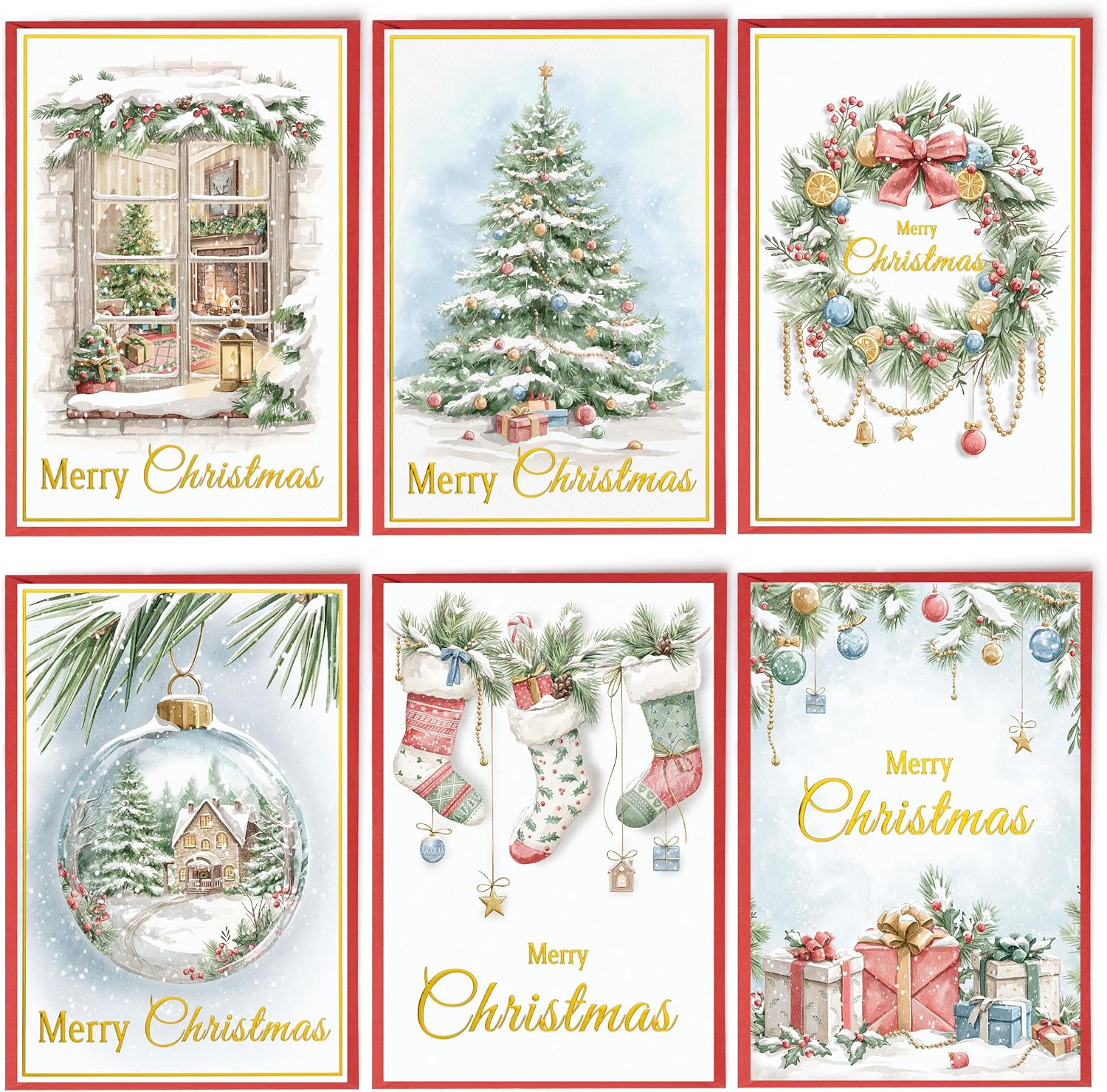
Solpla 24 Christmas Cards Assortment, Gold Foil Glitter Watercolor
Gold foil detailing was a genuine hallmark of higher-end mid-century Christmas cards, back when foil stamping was an expensive process reserved for cards meant to be kept, not tossed. This set brings that same detail back using modern foil printing that doesn’t flake or tarnish the way actual decades-old foil often does. Six different watercolor patterns means you’re not sending the same design to every name on your list, and every card ships with its matching envelope — which, as any vintage-card shopper knows, is the detail that’s hardest to guarantee with anything genuinely old.
What If You Actually Want Something Closer to a Real Antique?
Postcard-format cards are where the genuinely old-looking search intent usually lands, since postcards were the dominant Christmas greeting format before the boxed-card era took over in the 1930s and 40s. A postcard-style reproduction reads as more authentically antique than a modern folded card, simply because the format itself is what people associate with “old.”
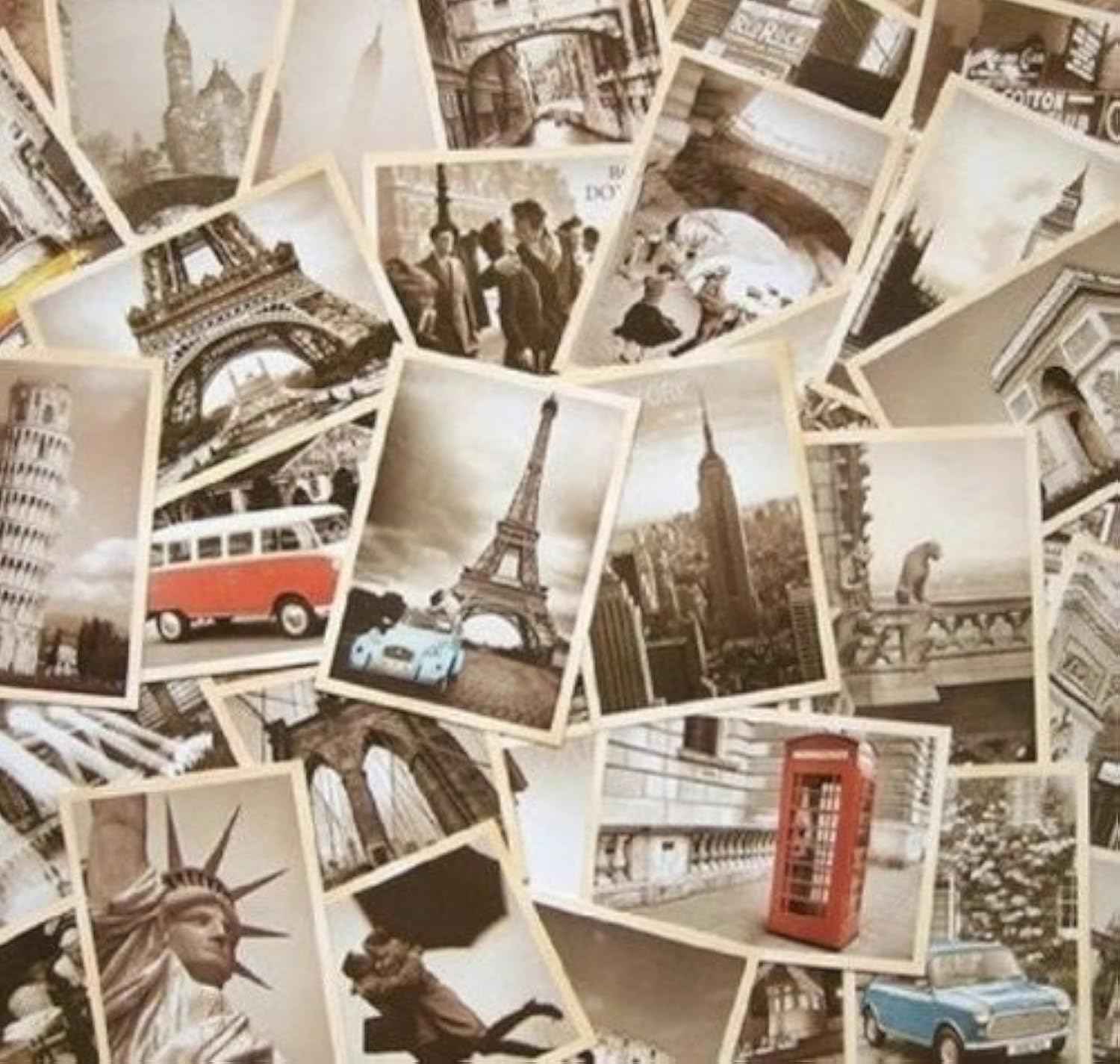
Dxhycc 32-PC Vintage Retro Old Travel Postcards
These lean into the postcard format specifically rather than the folded-card format most modern vintage Christmas card listings default to — and that format choice does a lot of the visual work. Thirty-two cards in one set means there’s enough variety to actually display a spread of them (on a mantel, tucked into a wreath, taped along a mirror frame) instead of just mailing one at a time. Worth noting: this set leans more general vintage/retro travel imagery than holiday-specific, so it fits best as a display or craft-project pick rather than a card you’re mailing as a Christmas greeting.
Which Brand Actually Has a Real Vintage Design History?
Not every vintage-style card is designed from scratch — some brands are drawing on genuine mid-century archives. Hallmark specifically has been producing Christmas cards since the 1910s, which means their “vintage” or religious boxed sets are often pulling stylistic cues from their own decades-deep design archive rather than guessing at what old cards looked like. That’s a meaningfully different starting point than a print-on-demand seller with no design history to draw from.
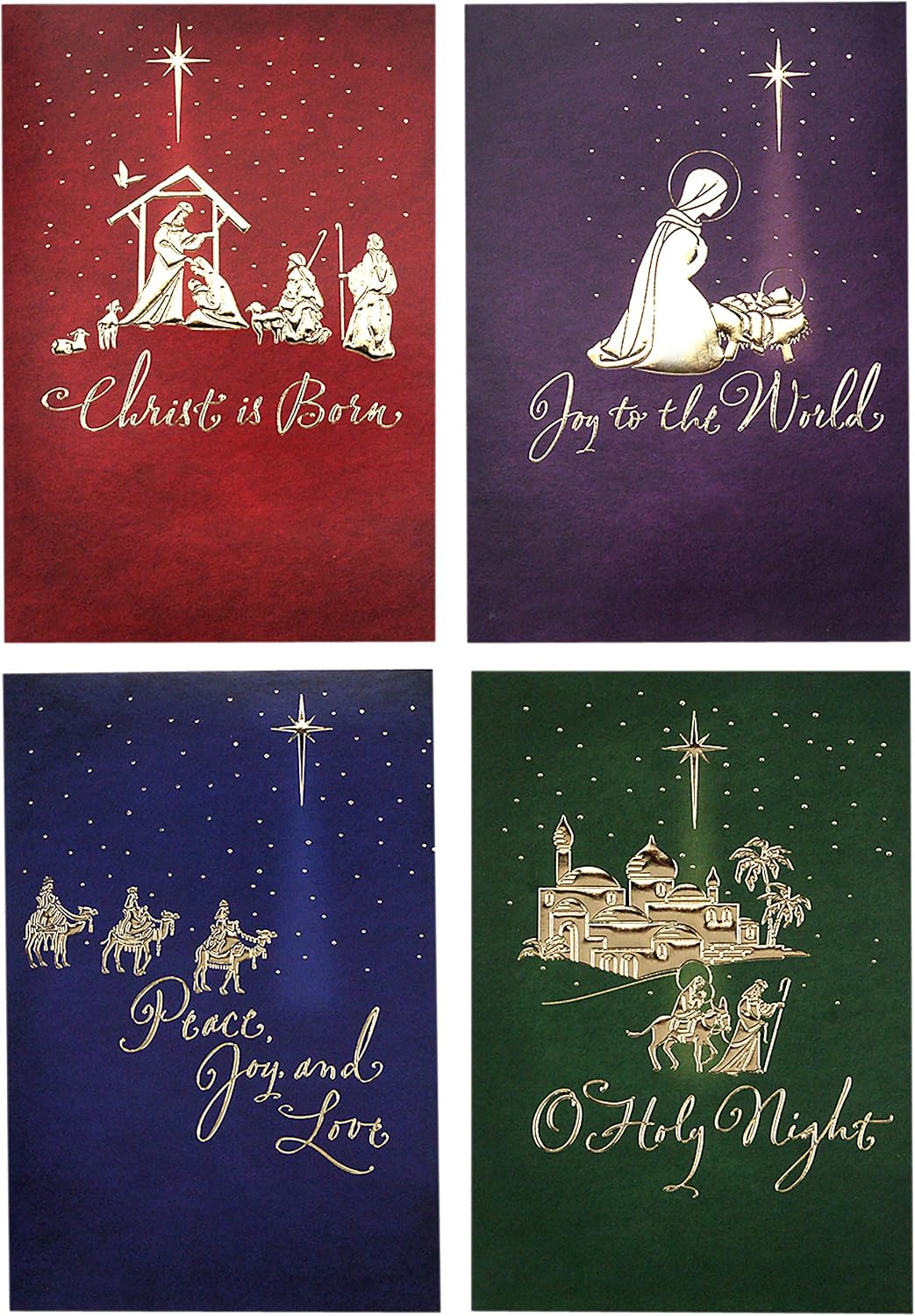
Hallmark Image Arts Religious Boxed Christmas Cards (4 Designs, 24 Cards)
Religious Christmas card designs from the mid-century era tended toward muted, illustrative styles — think painted nativity scenes and soft color work, not the bold graphic look that took over by the 1980s. This set’s four designs read closer to that older illustrative tradition than to a modern flat-design card. Coming from a company with an actual multi-decade design archive, rather than a seller replicating a look they scraped from Pinterest, is worth something if design authenticity matters to you.
What About Nostalgic, Non-Religious Themes?
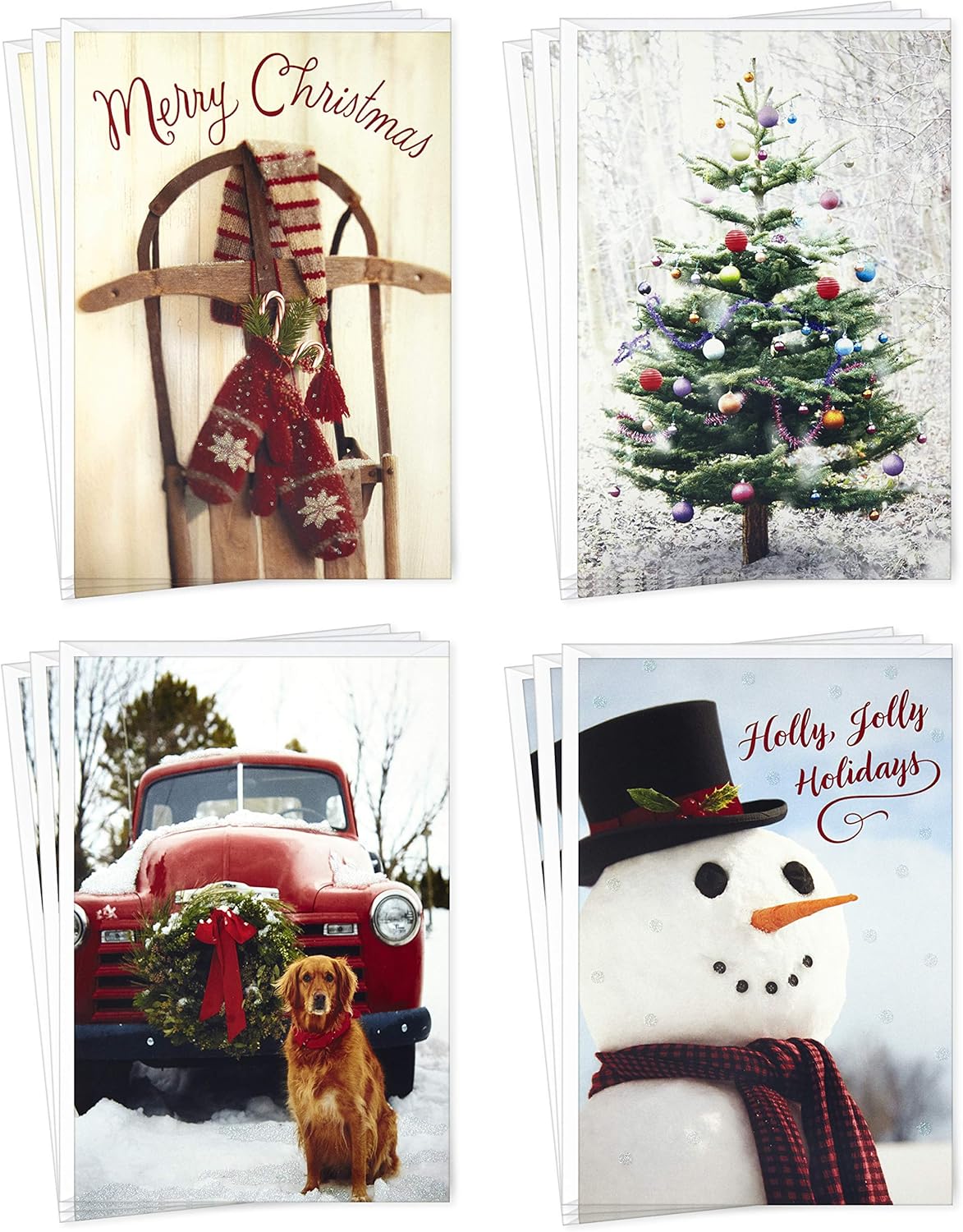
Mid-century Christmas card art leaned heavily on a handful of recurring motifs — Santa in a sleigh, a snow-covered farmhouse, a red pickup hauling a tree. That truck-and-tree image specifically became such a recognizable shorthand for classic American Christmas that it’s still one of the most reprinted vintage card motifs today, decades after it first appeared.
Hallmark Boxed Christmas Cards, Vintage Red Truck (4 Designs, 12 Cards)
The red-truck-with-a-tree image is about as close to a universally recognized vintage Christmas motif as this category gets, and Hallmark’s version leans into the illustrated, slightly worn-in look that makes it read as nostalgic rather than newly designed. Twelve cards across four designs keeps it from feeling repetitive if you’re sending to a full list, without diluting into the kind of oversized assortment that starts to feel generic.
Is There a Middle Ground Between Flat and 3D?
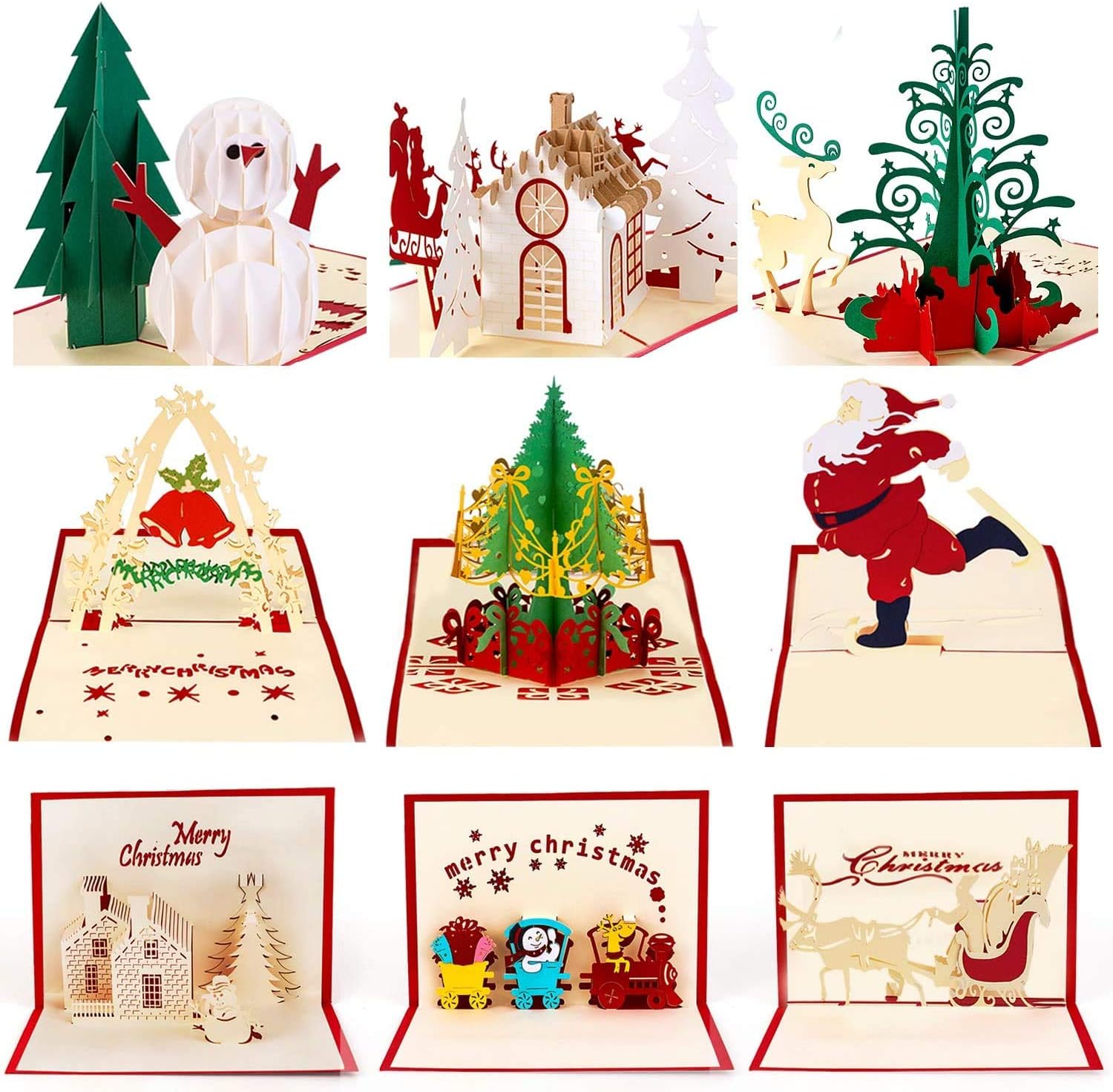
Pop-up and die-cut Christmas cards actually predate the flat card as a novelty format — Victorian-era cards experimented with layered paper and fold-out elements decades before flat printed cards became the mass-market standard. So a 3D pop-up card isn’t a modern gimmick layered onto a vintage idea; it’s arguably closer to the original novelty-card tradition than a plain flat card is.
HBlife 9-Pack 3D Christmas Cards Pop Up Holiday Postcards
These use layered paper construction to build dimension into the design when the card opens — a callback to the die-cut and pop-up novelty cards that were genuinely popular before flat printing took over the category. Nine cards is a smaller set than most boxed assortments, which fits this as a pick for a handful of people who’ll actually appreciate the handmade-feeling detail, not a mass mailing.
What’s the Easiest All-Purpose Option?
Some searches for this keyword aren’t looking for a specific era or motif at all — just a reliable, nice-looking boxed set that reads as “classic” without overthinking the sourcing.
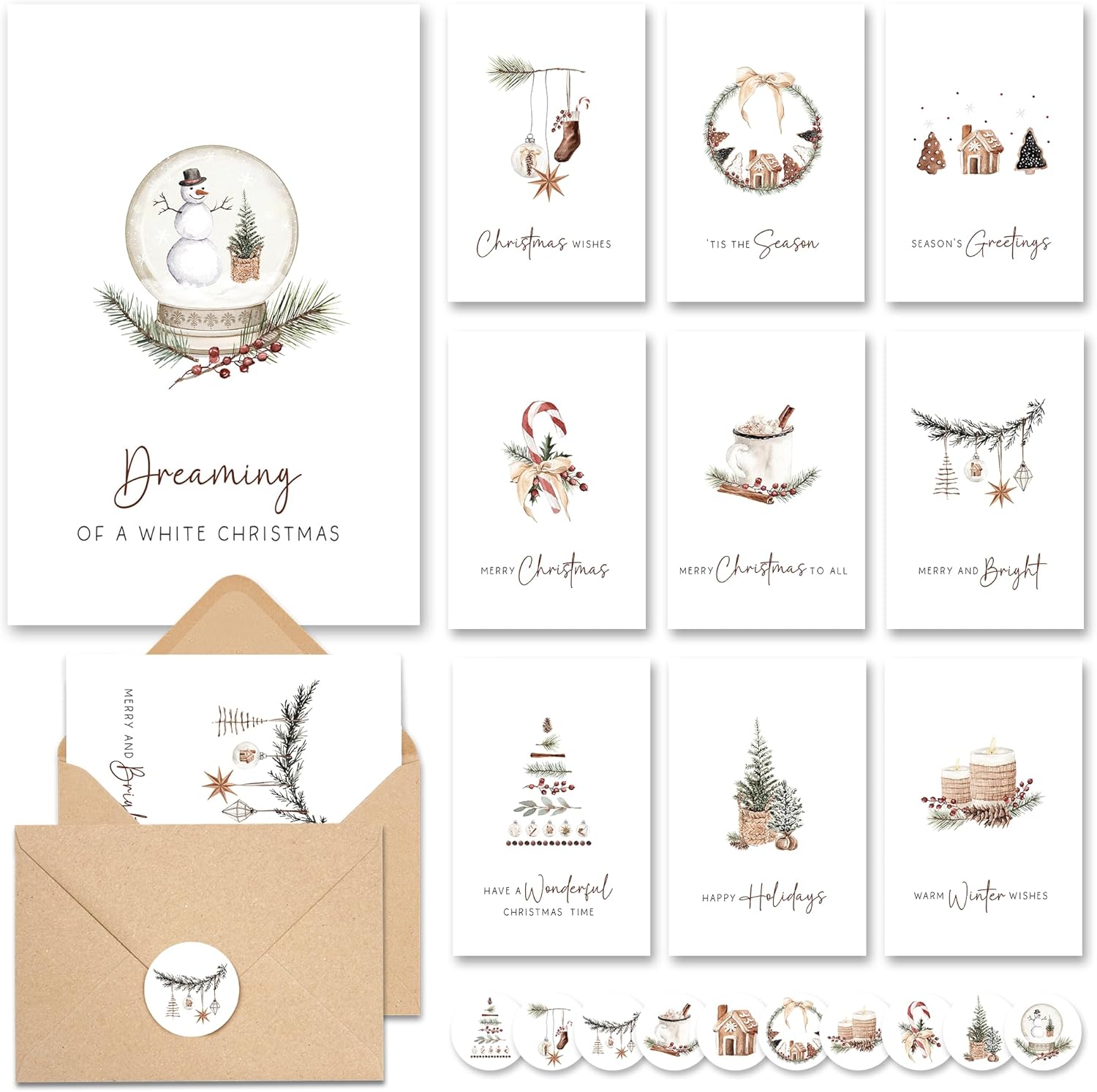
AUDREE Christmas Cards With Envelopes & Matching Stickers
The matching stickers are the detail worth calling out — mid-century card sets often included seals or stickers as a finishing touch for the envelope flap, a small ritual that mass-market modern cards mostly dropped. Twenty cards at 4×6 inches is a practical size for standard envelopes, and having the sticker seals included saves a separate purchase if that’s part of the appeal for you.
Looking for more vintage holiday inspiration? Our vintage xmas decor guide covers the broader decorating side, and our vintage xmas lights post has more ways to bring that same nostalgic look into a room.

Printing Your Own Vintage Card Instead?
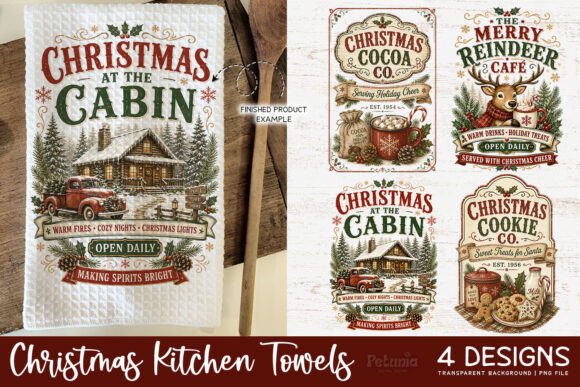
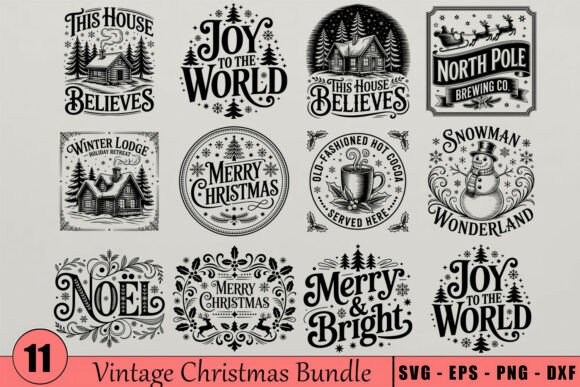
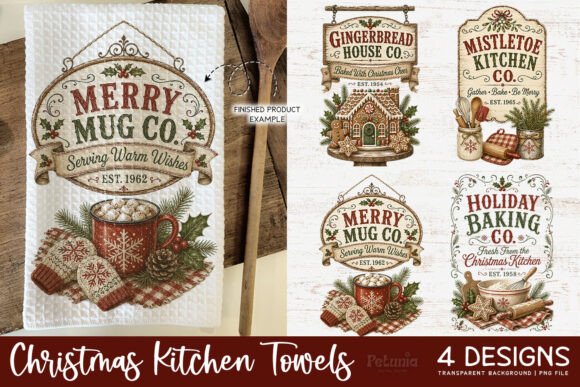
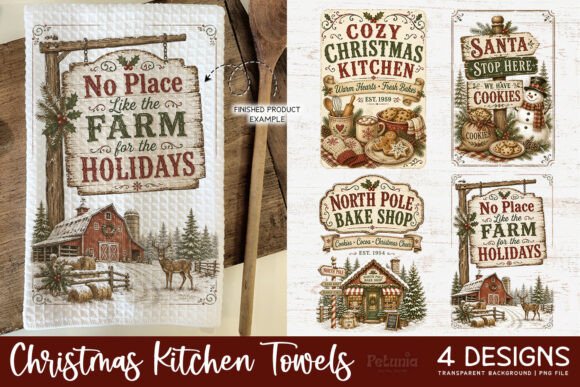
If you plan to skip the boxed set and print a vintage card at home, know what you are actually buying. Out of 460 vintage and Victorian Christmas designs on sale at Creative Fabrica, only 7 are sold as a card and 5 as a postcard, while 201 are clipart or PNG and 91 are papers and backgrounds. A 5×7 size is named in 2 of them and an envelope in 7.
So you are usually building the card yourself: you pick the clipart, you set the 5×7 page, and you choose the envelope. Print a test sheet on plain paper first, then switch to a matte cardstock once the margins look right, because that is where an old-looking card stops looking like a home printout.
Frequently Asked Questions
How can you tell if a Christmas card is a real vintage original or a reproduction?
Genuine age usually shows in the paper stock — thinner, sometimes yellowed, with printing techniques (like true foil stamping or letterpress texture) that are expensive to replicate exactly. If a listing doesn’t specify vintage reproduction or antique original clearly, assume reproduction unless proven otherwise; that’s the more common category by far.
Why don’t more vintage Christmas cards come with their original envelopes?
Envelopes were thinner and more disposable than the cards themselves, so they were more likely to get damaged, lost, or simply thrown away over the decades while the card was kept. It’s one of the most common gaps collectors run into.
Are reproduction Christmas cards a “lesser” option than antiques?
Not functionally — if the goal is decorating, gifting, or mailing, a reproduction gives you the exact look on paper that can actually survive handling. Antiques make sense specifically for collecting or preserving history, which is a different goal entirely.
Where do genuine antique Christmas postcards usually turn up?
Postcard shows, estate sales, and antique stores are the most reliable sources, though they’re better treated as places to browse than guaranteed sources — cards often turn up mixed into old photo albums or ephemera boxes rather than sorted and priced individually.
What’s the safest way to display a real vintage card without damaging it?
Avoid direct sunlight and humidity, and if you want it visible year-round, consider framing behind UV-protective glass rather than taping or clipping it somewhere it’ll flex or fade.
Key Takeaways
- Most vintage Christmas cards sold today are reproductions, not antiques — and that’s usually the better choice unless you’re specifically collecting for history.
- Gold foil and matching envelopes are the details that separate a well-made reproduction from a generic one — check for both before buying.
- Want something closer to genuinely old? Postcard-format sets read more antique than folded boxed cards, since postcards were the dominant format before boxed cards took over.
- Real antique cards are best sourced through estate sales and specialty dealers — expect inconsistent listings, not a guaranteed same-day find.