You open a junk journal tutorial video and the creator’s spread is covered in torn ledger paper, layered washi tape, tiny flower stickers, and hand-lettering in metallic ink — and none of it looks like it came from a kit. That’s usually because it didn’t come from one kit. It came from four or five small supply purchases, each solving one specific part of the page.
Paper alone doesn’t make a page look finished. The tape holding pieces down, the stickers filling gaps, the pen adding handwritten notes — those are the details that separate a junk journal spread that photographs well from one that just has paper glued to it.
Quick answer: A junk journal page needs four building blocks at minimum — a base surface (album or cardstock), adhesive that won’t wrinkle thin paper, decorative tape for borders and layering, and small embellishments (stickers or hand-lettering) to fill empty space. Buy each separately rather than one junk journal kit that’s usually paper-only.
| Item | Best for | Type | Pieces | |
|---|---|---|---|---|
 Pin it Pin it |
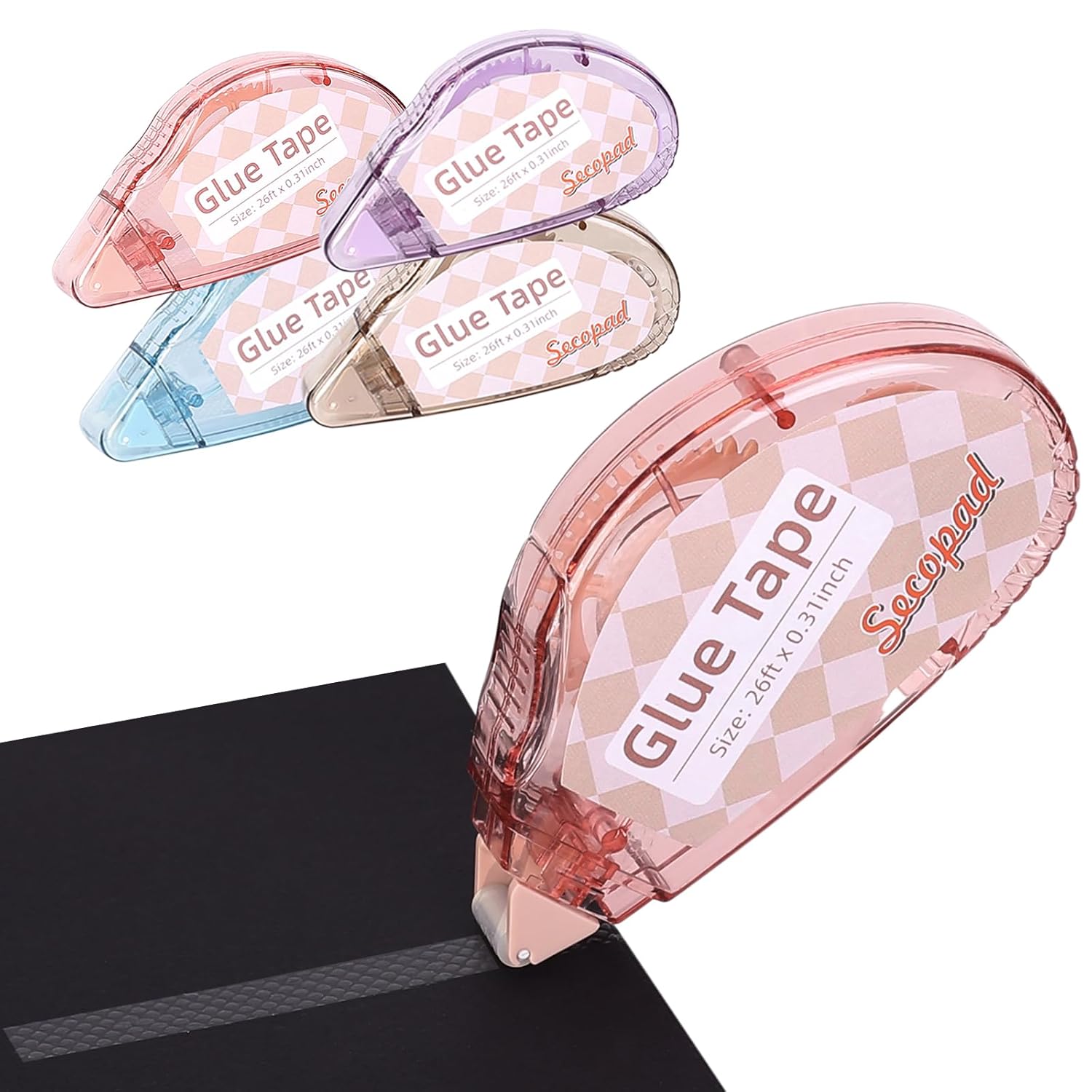
Secopad Tape Roller | Adhesive that won’t wrinkle thin paper | Double-sided tape | 4 rolls |
 Pin it Pin it |
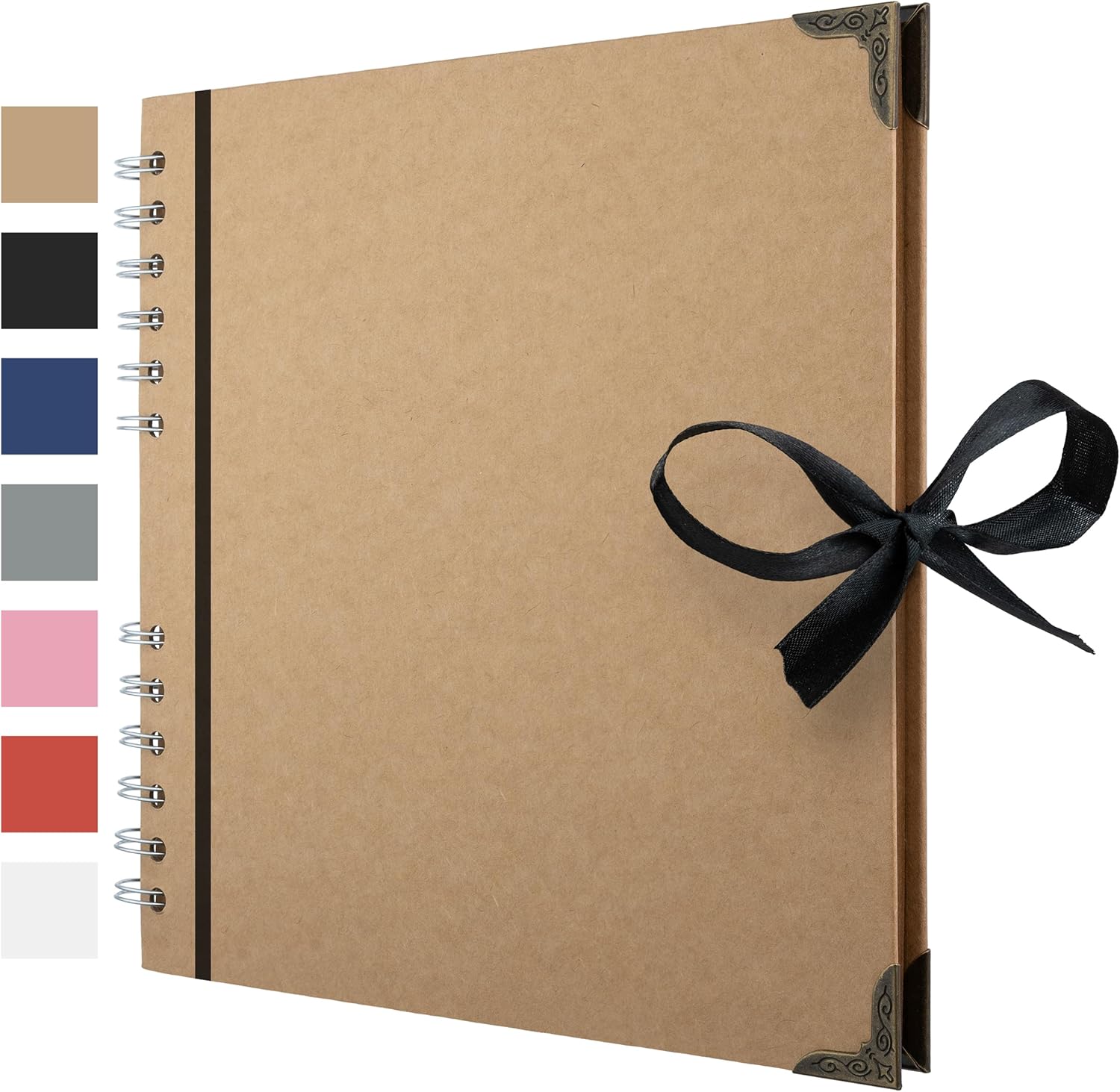
Bstorify Kraft Album | A bound base instead of a loose-leaf binder | 60-page album | 1 album |
 Pin it Pin it |
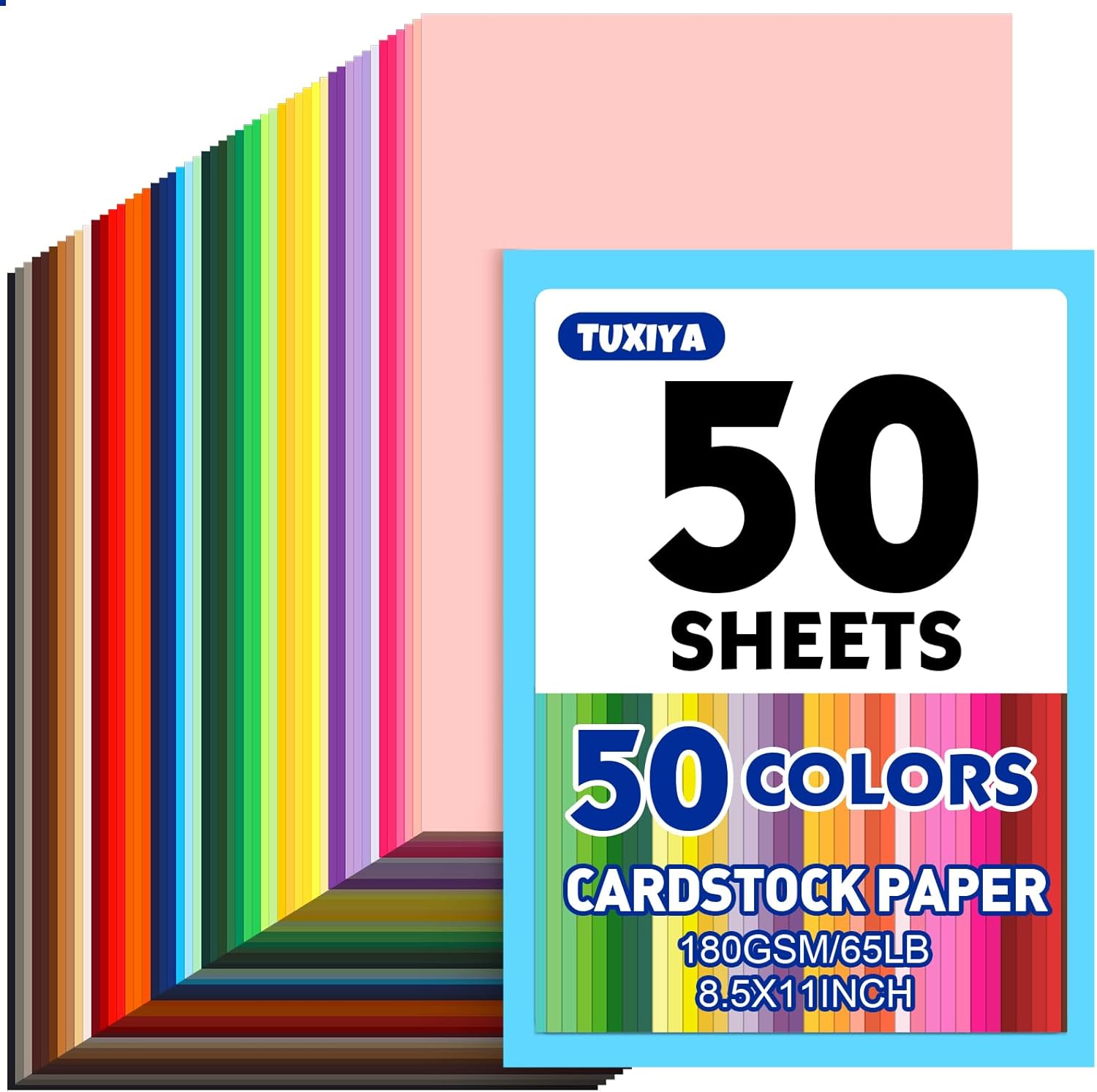
Assorted Cardstock 50-Pack | Page backgrounds and cut-out shapes | Cardstock | 50 |
 Pin it Pin it |
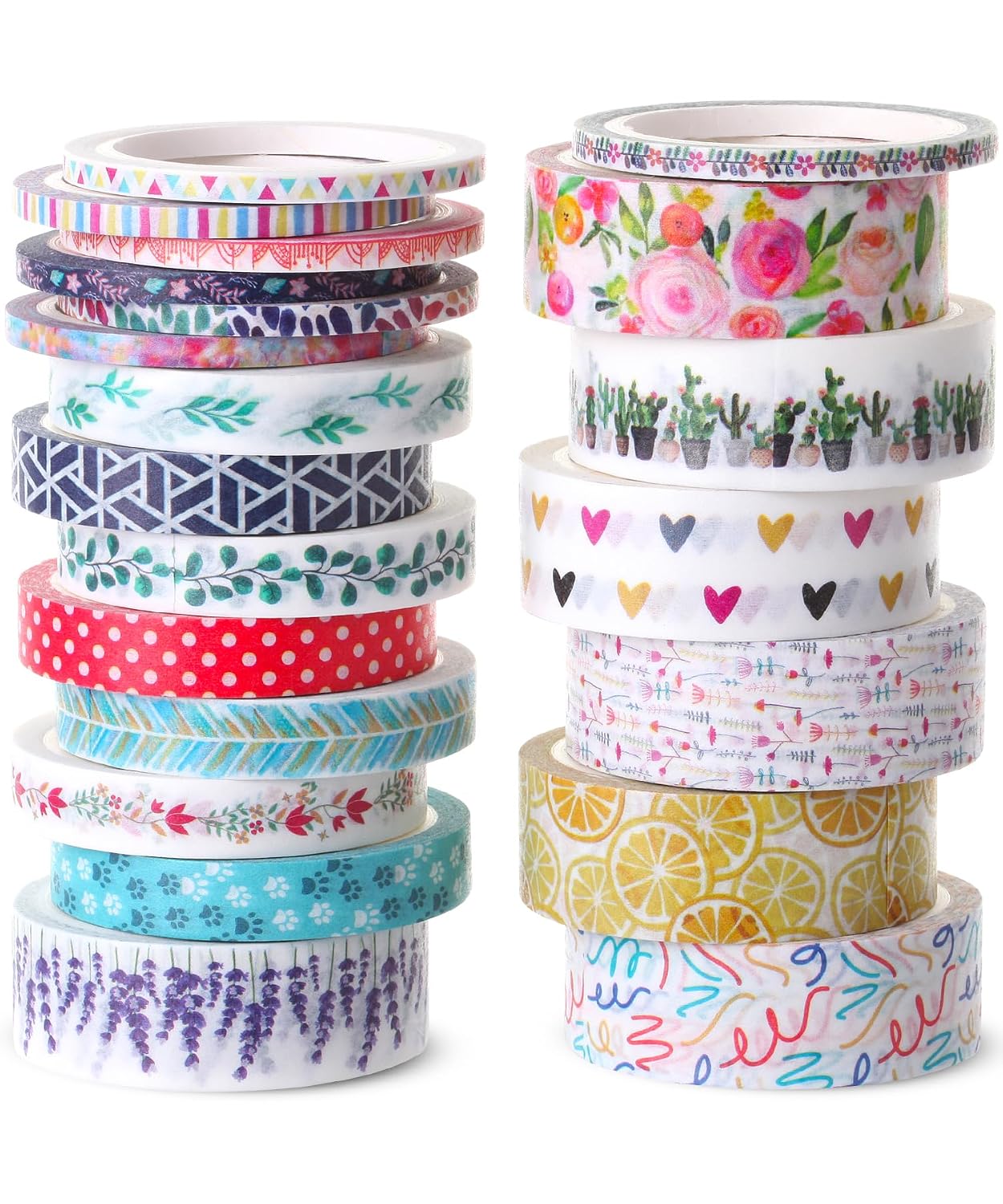
Mr. Pen 21-Roll Washi Set | Borders and repositionable layering | Washi tape | 21 rolls |
 Pin it Pin it |
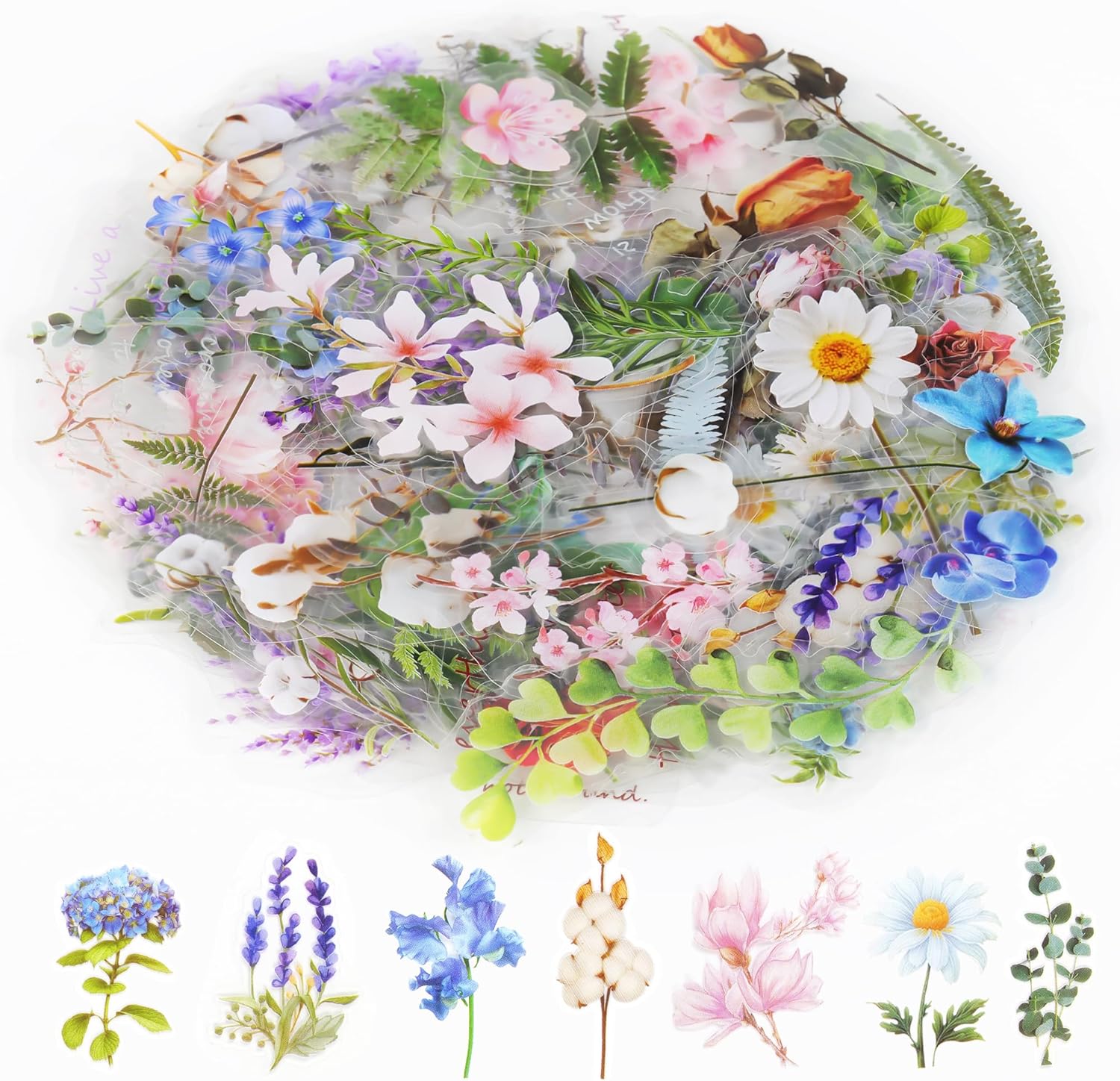
160-Pc Flower Stickers | Filling empty corners fast | Stickers | 160 |
 Pin it Pin it |
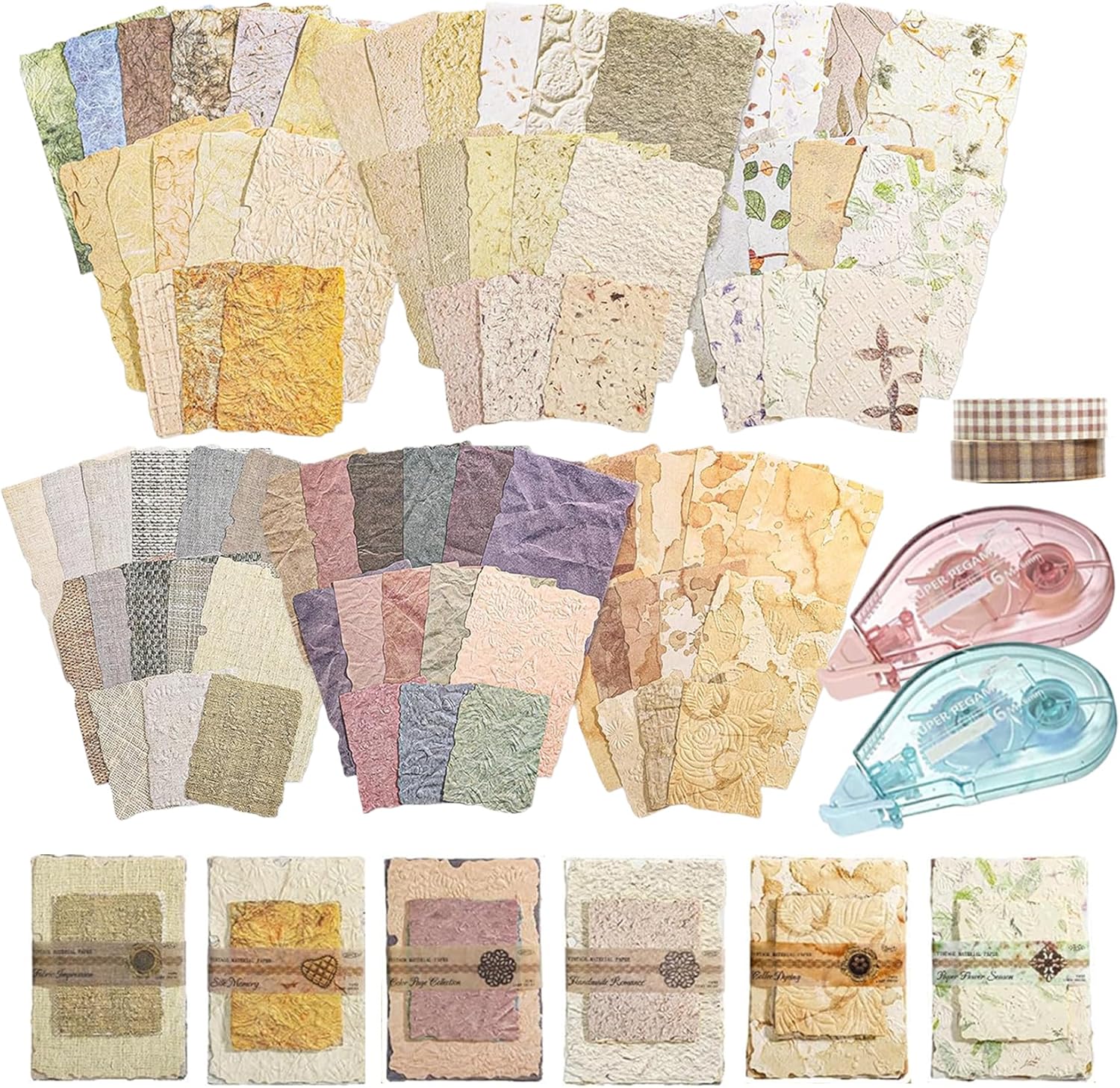
168-Pc Themed Paper Kit | A matched paper + tape starter set | Paper + tape | 168 |
 Pin it Pin it |
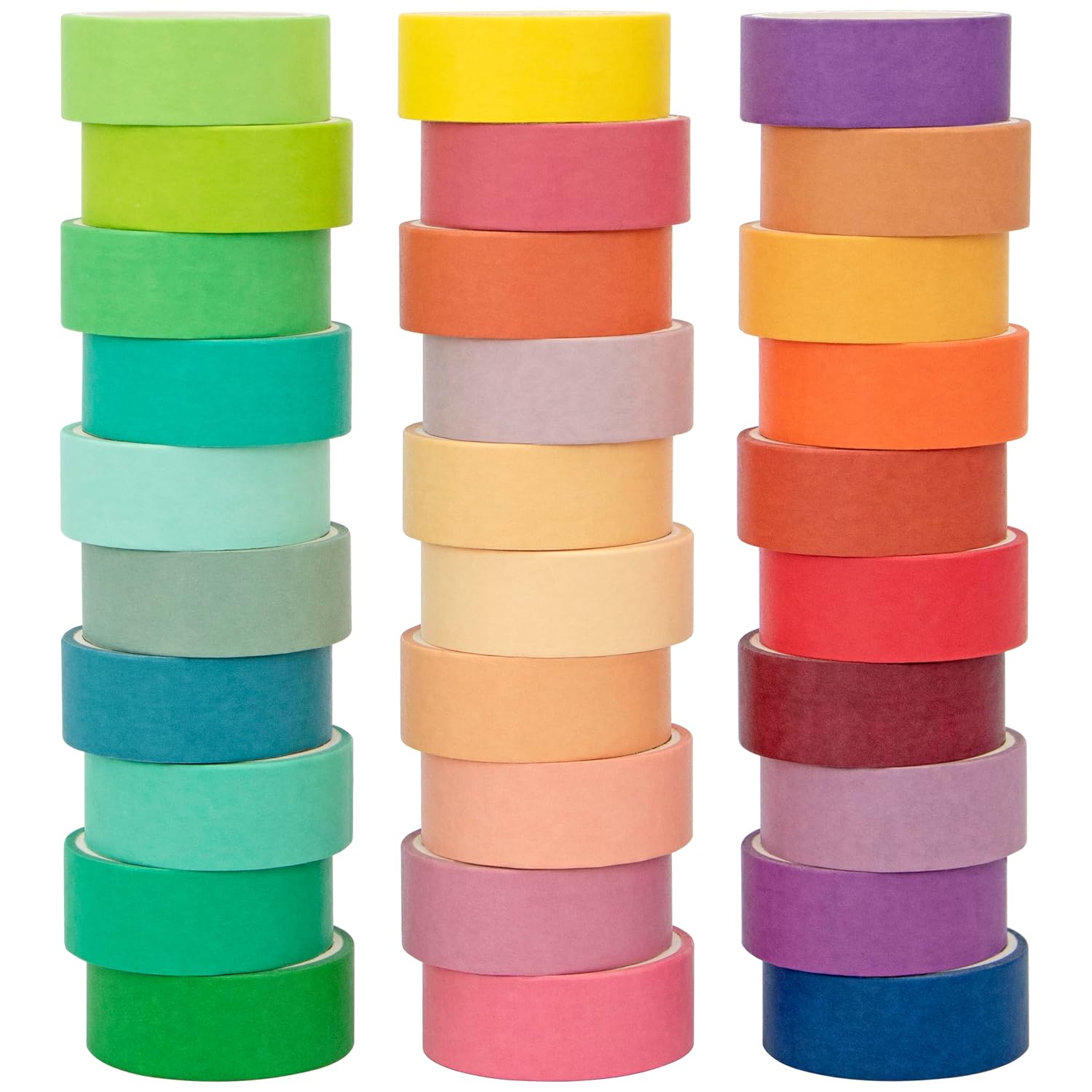
30-Roll Rainbow Washi Set | Wide color range for varied palettes | Washi tape | 30 rolls |
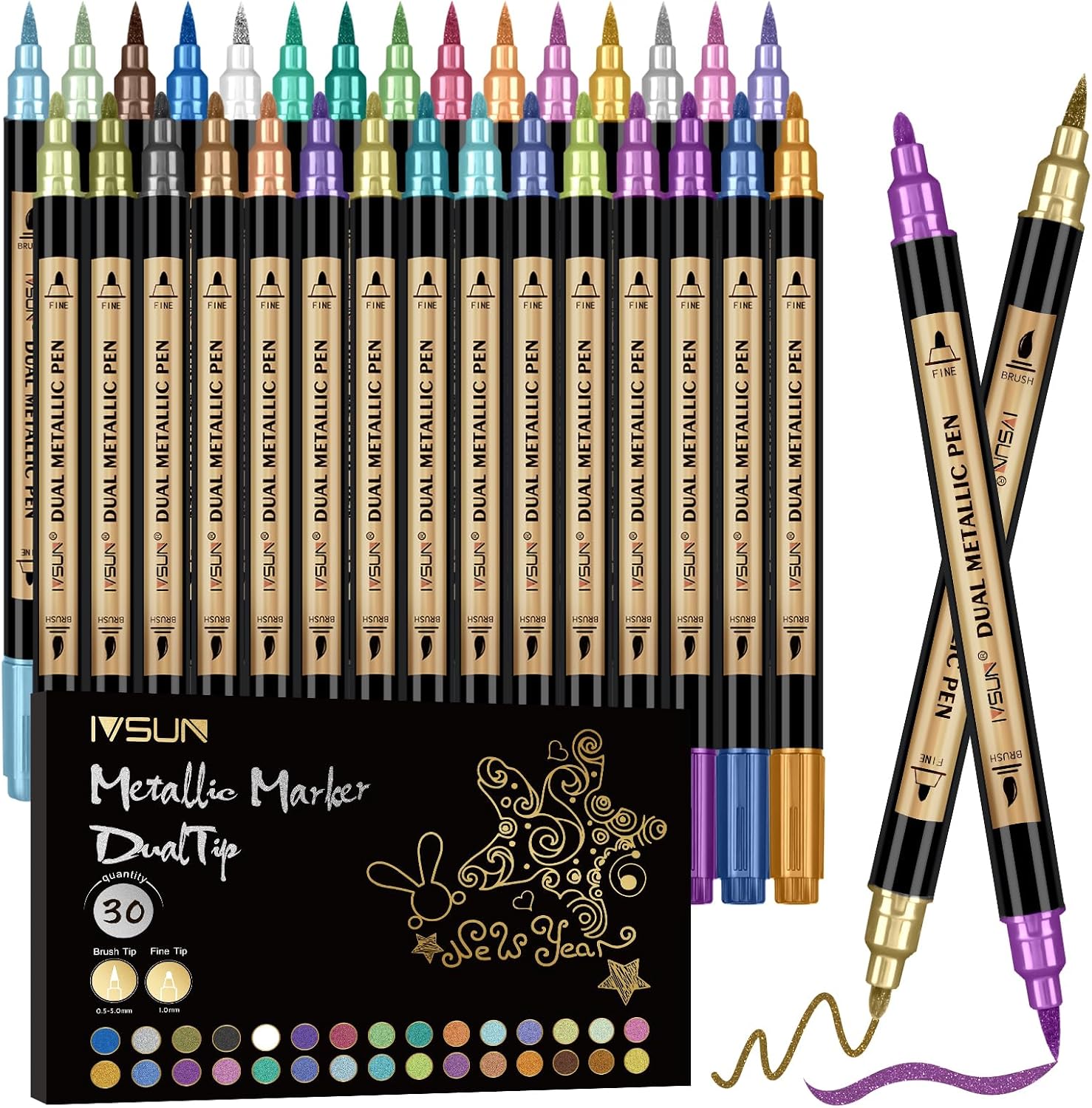
| 30-Color Metallic Markers | Hand-lettering and captions on dark paper | Markers | 30 |
The order you build a page in matters more than most tutorials mention. Adhesive and base paper go down first, decorative tape second — while pieces can still shift slightly — and stickers or lettering go on last, once the layout is locked in. Doing it out of order usually means peeling something back up.
Best for: adhesive that won’t wrinkle or warp thin paper
Secopad Double-Sided Scrapbook Tape Roller (4-Pack)
Liquid glue is the single most common reason a junk journal page ends up wavy — wet adhesive soaks into thin vintage-style paper and warps it as it dries, especially on ledger or parchment-style sheets. A tape roller avoids that entirely: this Secopad set applies a thin, dry adhesive line with zero moisture, so paper stays flat the moment it’s pressed down. Each of the 4 rolls runs 26 feet, which is enough to build several full pages without the tape roller drying out mid-project, a common complaint with cheaper single-roll runners. It’s also repositionable within a short window — if a piece goes down crooked, you can lift and reset it before the tape fully sets, something liquid glue never allows.
Should You Start With a Bound Album or Loose Pages?
A bound album forces consistency — every page is the same size, and the finished journal has a spine to store and display. Loose pages give more freedom per spread but need a separate binding step (rings, string, or a folder) once you’re done.
For a first junk journal, a bound album removes one entire decision from the process. You can always disassemble and rebuild later once you know what page size you actually prefer working in.
Best for: a bound base instead of assembling loose pages
Bstorify Kraft Paper Photo Album, 8×8 Inch, 60 Pages
Thick 200gsm kraft paper is the detail that matters most here — standard scrapbook album pages run closer to 120-150gsm, which shows through when you’re stacking multiple layers of paper, tape, and embellishments on both sides of a spread. At 200gsm, this album’s pages hold up under that kind of layering without buckling or letting glue seep through to the opposite page. It comes in several sizes beyond the 8×8 shown (7×7 up to 11×11), so the same brand scales up if a project outgrows the smaller format. The plain kraft-brown base color is also intentional for junk journaling specifically — it reads as an aged, neutral canvas rather than the bright white background most standard photo albums ship with.
Why Do Junk Journal Pages Need Cardstock, Not Just Decorative Paper?
Decorative printed paper is usually thinner than cardstock, because it’s designed to be layered on top of something sturdier, not to hold up a whole page on its own. Without a cardstock base underneath, thin paper sags, tears at the fold, and doesn’t take heavier embellishments well.
Cardstock also gives you a plain color option for pages where the printed pattern needs to breathe — not every spread benefits from pattern on every inch.
Best for: page backgrounds and cut-out shapes in solid color
50 Sheets Assorted Colored Cardstock, 8.5×11
Fifty sheets at 180gsm (65lb) across 50 different colors — heavy enough to serve as a structural page base under lighter decorative paper, unlike standard printer paper which sags once tape and stickers are added on top. Because every sheet is a different solid color rather than a printed pattern, this pack works as the plain backdrop that makes patterned washi tape and stickers stand out instead of competing with another busy print underneath. It’s also the practical choice for cut-out shapes — tags, pockets, borders — since solid cardstock cuts cleanly without a pattern breaking awkwardly across the edge of a shape.
Want the paper side covered in more depth before adding tape and embellishments? Our vintage paper scrapbook roundup goes deeper into base and background paper specifically, and our junk journal gift kits guide covers pre-assembled bundles if you want fewer separate purchases.
What’s the Difference Between Washi Tape and Regular Decorative Tape?
Washi tape is thin, semi-transparent Japanese paper tape — it tears by hand without scissors, repositions cleanly without residue, and layers over ink or print without hiding it completely. Standard decorative tape (like duct-style craft tape) is opaque, thicker, and permanent once applied.
For junk journaling specifically, washi tape’s transparency is the reason it’s the default choice — it can go directly over handwriting or a printed pattern as a border without blocking what’s underneath.
Best for: borders and repositionable layering
Mr. Pen Washi Tape Set, 21 Rolls, Floral
Three different tape widths in one set — 0.6 inch, 0.3 inch, and 0.12 inch, seven rolls each — solves a problem most single-width washi packs don’t: a full-page border needs a wider tape than a fine detail line along a torn paper edge, and most sets only give you one size. The floral and seasonal pattern mix (pastels, vintage florals, fall leaves, holiday prints) means the same set covers multiple project themes instead of one narrow look. True to washi tape’s core property, every roll here tears by hand and lifts cleanly without leaving residue or damaging the page underneath — useful for the trial-and-error layout stage before anything is locked in with stronger adhesive.
More Supplies to Round Out a Junk Journal Page
Base paper and tape get a spread most of the way there. Small embellishments, a matched starter kit, wider tape variety, and pens for hand-lettering cover the details that make a finished page look intentional rather than half-done.
Best for: filling empty corners fast
160-Pc Natural Flower Stickers, Transparent
A transparent background is the detail that separates this from a standard opaque sticker sheet — because there’s no white border around each flower shape, these sit directly on printed paper without a visible sticker edge breaking the pattern underneath. At 160 pieces, there’s enough volume to use them generously across an entire journal rather than rationing a smaller pack across a handful of pages. They’re self-adhesive rather than requiring separate glue, which makes them the fastest single embellishment to reach for when a page layout has empty white space that needs filling in the last few minutes of a session.
Best for: a matched paper-and-tape starter set
168-Pc Textured Vintage Scrapbook Paper Kit with Tape
Unlike a paper-only pack, this kit bundles washi tape and double-sided tape alongside 168 pieces of paper across 6 themed sets — meaning the adhesive and the borders are already color-matched to the paper instead of sourced separately and hoped to coordinate. That matters most for anyone newer to junk journaling who doesn’t yet have a sense of which tape shades pair well with which paper tones. The 6-theme split also means a single kit can supply variety across several journal spreads rather than one repeated look throughout.
Best for: a wider color range than a themed washi set
30-Roll Rainbow Washi Tape Set
Where a themed set locks you into one palette, this 30-roll pack spans the full rainbow — red through purple — at a consistent 1.5cm width and 3-meter length per roll, so every roll works interchangeably across different project color schemes. That consistency in width is actually the more practical detail: switching tape mid-page without a width change means borders line up evenly instead of one section reading thicker than the rest. It’s the pick for anyone building journals across multiple unrelated themes rather than one consistent vintage palette.
Best for: hand-lettering and captions on dark or kraft paper
30-Color Metallic Marker Pens, Dual Tip
Standard gel pens and markers go nearly invisible on dark or kraft-brown paper — a common problem once a journal base leans toward aged, toned backgrounds instead of white. These acrylic paint pens are formulated specifically to stay opaque and legible on dark surfaces, which is the actual test that separates a true metallic marker from one that’s just labeled that way. The dual-tip design gives both a fine point for handwritten captions and a broader tip for filled-in lettering or small illustrations, without needing two separate pen sets for those two jobs.
Frequently Asked Questions
What glue is best for junk journal pages?
Double-sided tape rollers or tape runners are generally better than liquid glue for thin decorative paper — they don’t introduce moisture that can warp or wrinkle the page as it dries.
Do I need a special album for junk journaling, or can I use any notebook?
Any bound album works, but thin-paged notebooks struggle once you start layering tape, stickers, and multiple sheets per spread. Thicker stock (180-200gsm) holds up better under that kind of build-up.
What’s the difference between a junk journal and a regular scrapbook?
Junk journals lean toward small, ephemera-style pieces — ticket stubs, ledger scraps, torn paper, stamps — assembled more loosely, while scrapbooks are usually built around full-page photo layouts with more structured design.
Can washi tape go directly over handwriting or a printed pattern?
Yes — that’s its main advantage over opaque tape. Washi tape is semi-transparent, so text or pattern underneath stays visible through it.
How many supplies do I actually need to start a junk journal?
Four categories cover most pages: a base (album or cardstock), adhesive, decorative tape, and small embellishments like stickers. Everything beyond that is optional variety, not a requirement.
Key Takeaways
- Adhesive matters more than most tutorials mention — a tape roller like Secopad’s won’t warp thin paper the way liquid glue does.
- Starting from scratch? The 168-Pc themed paper kit bundles matched paper and tape so nothing clashes.
- Want a bound base instead of loose pages? The Bstorify kraft album uses 200gsm pages that hold up under layering.
- Build order matters: base paper and adhesive first, tape second, stickers and lettering last — once the layout is locked in.
- Washi tape’s transparency is what makes it different from regular craft tape — it layers over print and handwriting without hiding it.
- On dark or kraft-toned paper, standard pens go invisible — metallic markers are the fix for legible hand-lettering.
About the Author: Alina Farley researches vintage-style decor and print-on-demand design trends for Vintage Studio, tracking what actually sells versus what just looks good in a listing photo.