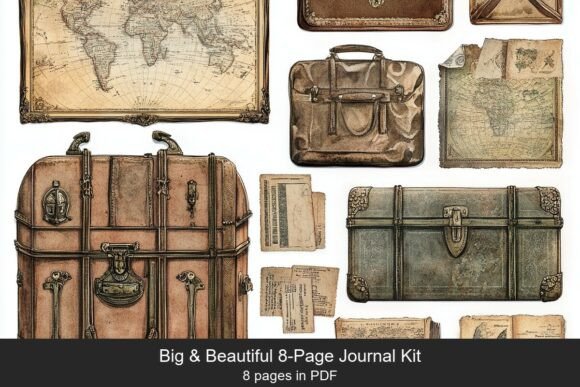
Junk journals and scrapbooks get lumped together constantly, and it costs people money — they buy the wrong starter kit, then wonder why their pages don’t look like the ones on Pinterest.
The short version: a junk journal is built from found and altered materials — old book pages, tea-stained paper, fabric scraps — stitched or glued into a loose, textured object. A scrapbook is a structured album, usually with pre-sized pages, meant to hold photos and mementos in a clean layout. One is about the object itself feeling aged and handmade. The other is about preserving something else inside a tidy frame.
Quick answer: if you want a raw, textured, one-of-a-kind object to write and paste into — that’s a junk journal. If you want a clean album to organize photos and keepsakes by date or event — that’s a scrapbook. Most beginners actually want the first one and don’t realize it until they’ve bought the wrong supplies.
What Actually Separates a Junk Journal From a Scrapbook?
Page count and structure are the real dividing line, not the materials. A scrapbook page is a fixed unit — 12×12 inches, usually, sitting flat in a page protector. A junk journal page can be a torn envelope, a folded map, three layers of tissue paper stitched together at an angle. There’s no page protector because the texture is the point.
Binding matters too. Scrapbooks use post-bound or ring albums so pages can be swapped. Junk journals are usually hand-bound — coptic stitch, saddle stitch, or a simple glued spine — which means once it’s built, it’s built. That permanence is why junk journal pages tend to look more experimental; there’s no redo this page option.
Which One Should You Actually Start With?
If your goal is preserving photos from a trip or a family event in a way you can flip through with people, start with a scrapbook — the structure does the organizing work for you. If your goal is a creative outlet where the process matters more than the archive, a junk journal fits better. It forgives mess. A scrapbook page that’s crooked looks like a mistake; a junk journal page that’s crooked looks intentional.
A lot of people starting out try to do both at once and end up with neither — a half-finished album with loose ephemera taped in that doesn’t hold together as either format. Pick one first, finish a small version of it, then branch out.
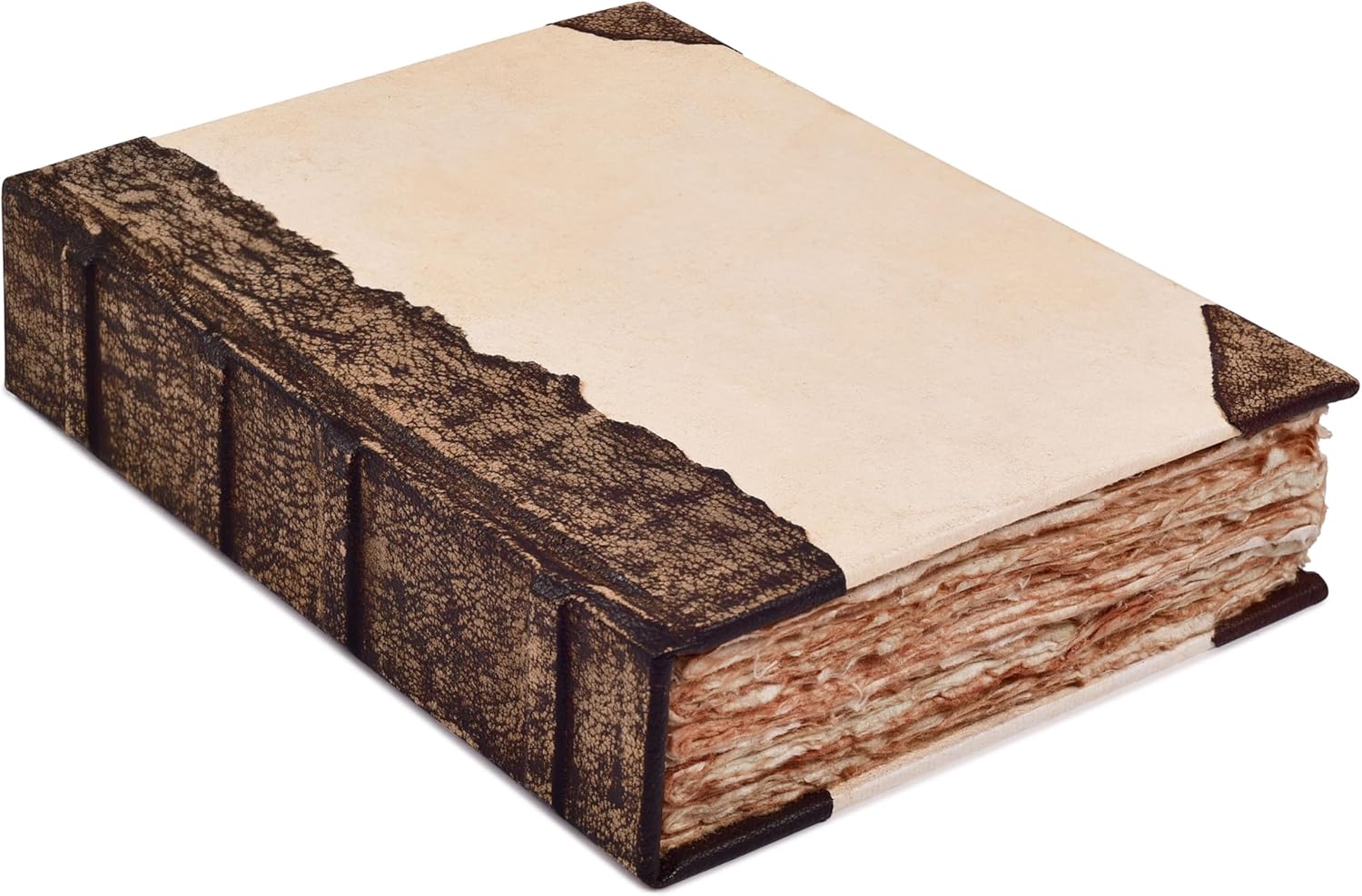
Best for: starting a junk journal from a bound base
Deckle-edge watercolor paper inside a leather cover gives you a head start on the “aged” look without any distressing — the rough edges and cream tone are already there. This is the closer starting point if the comparison above pointed you toward junk journaling.
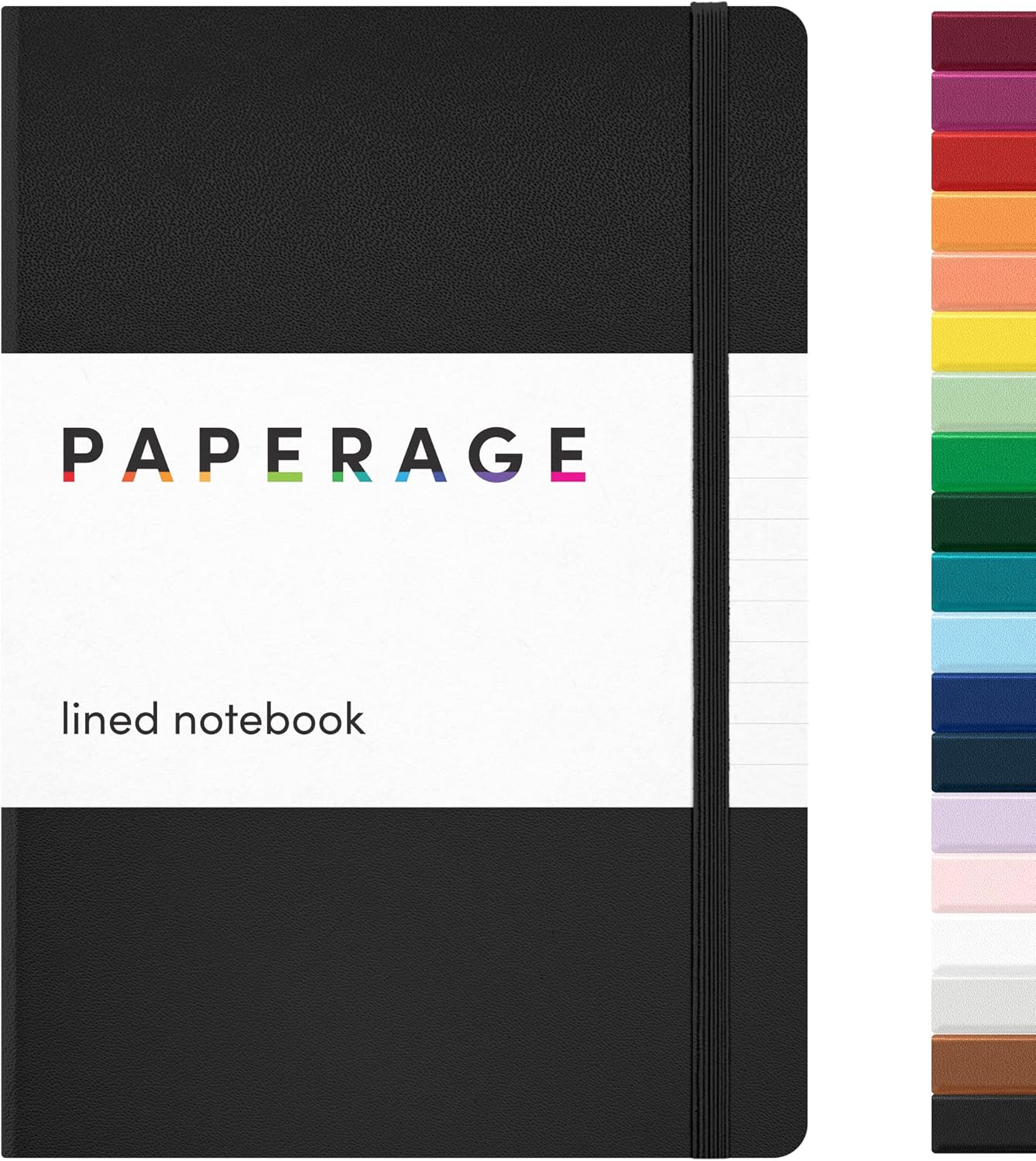
Best for: a structured base if you’re leaning scrapbook-style
Thicker lined pages in a hardcover binding hold up better under photo corners and adhesive than typical notebook paper, which matters if your project is closer to a scrapbook that just borrows junk-journal texture on top.
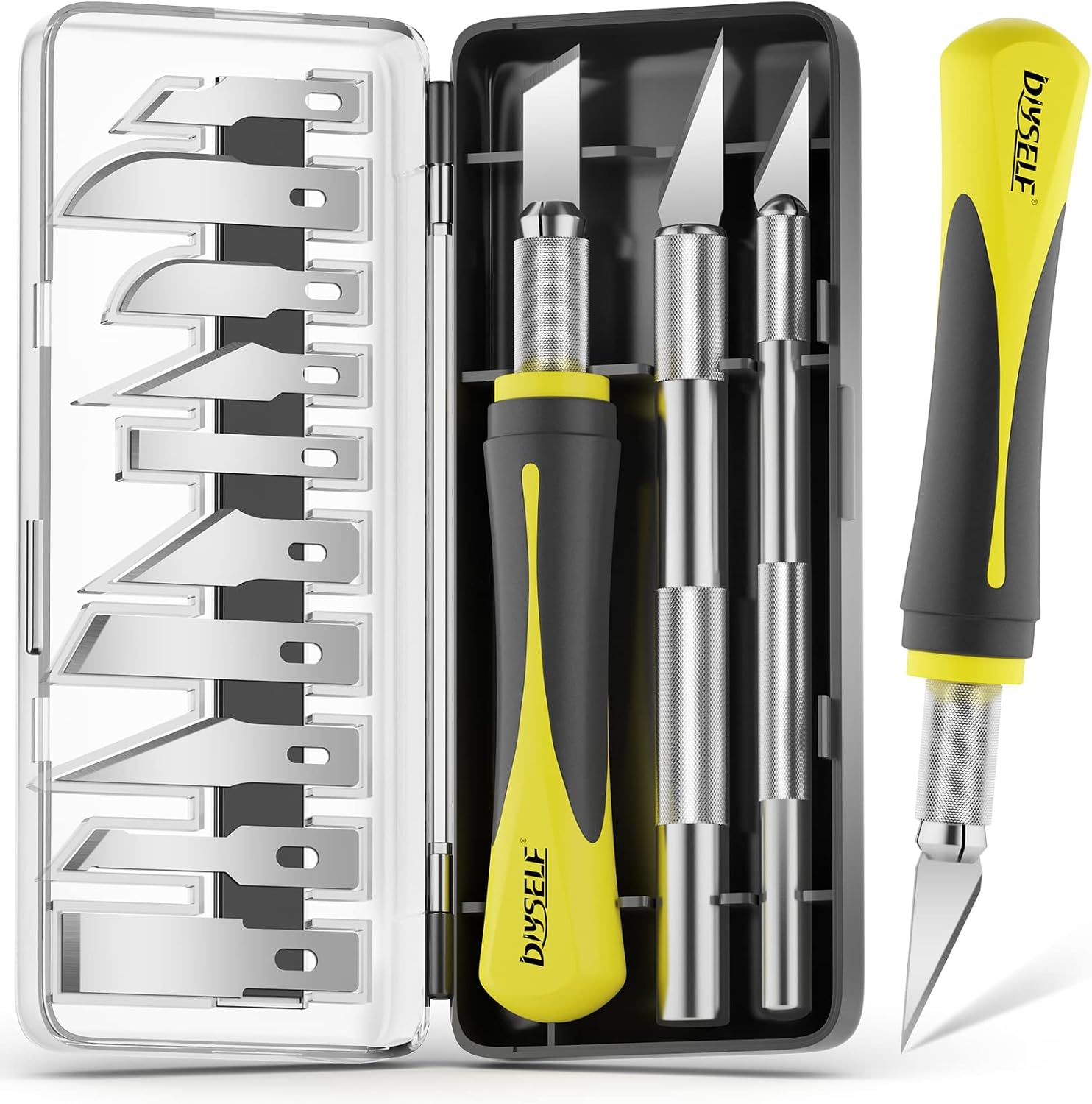
Best for: whichever side you land on
Both formats need edges cut to size — scrapbook layers trimmed square, junk-journal fragments scored and torn. A knife set is the one purchase that doesn’t become wasted if you change your mind halfway through the first spread.
What Do People Get Wrong When They Mix the Two?
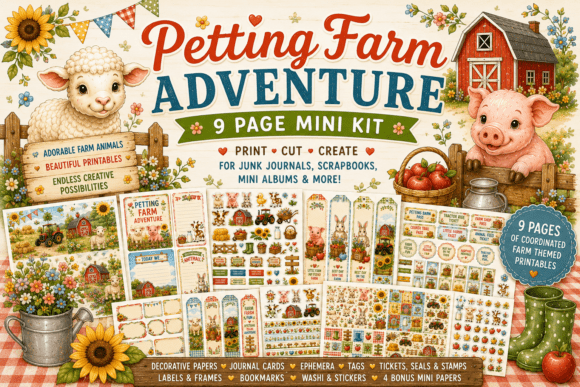
The most common mistake: buying scrapbook page protectors for a junk journal project. Page protectors flatten everything — they crush the dimensional elements (tags, fabric, dried flowers) that make junk journal pages interesting to touch. If texture is the goal, skip the protector entirely and let the pages breathe.
The reverse mistake is just as common — using loose, uneven junk journal style pages for what’s really a photo scrapbook, then finding the album won’t close flat because the pages are different thicknesses. Structure exists for a reason once photos are involved.
The Printable Files Are Mostly the Same
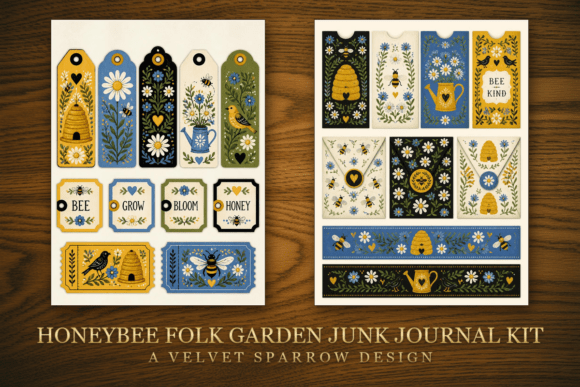
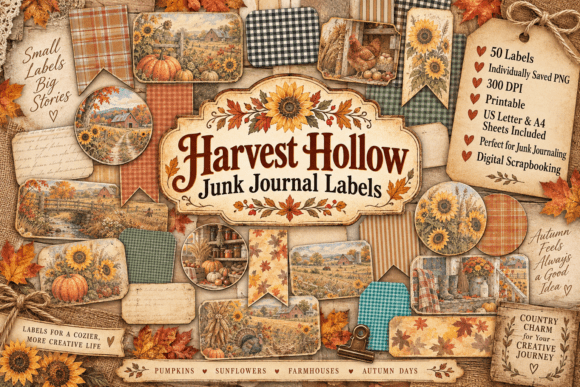
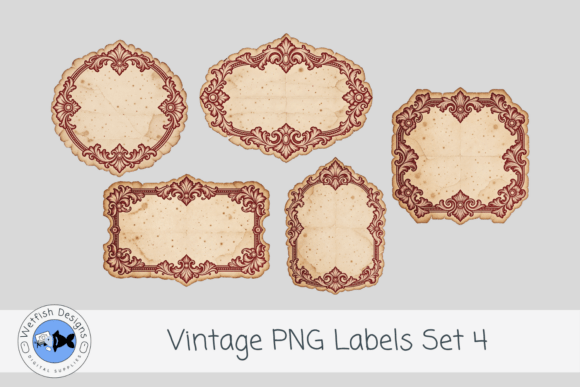
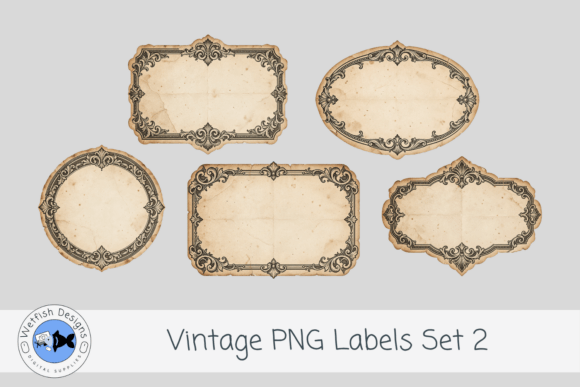
You do not need two sets of supplies to try both. Out of 1889 junk journal and scrapbook designs on sale at Creative Fabrica, 1724 are tagged for both, so the paper you print is usually the same. What changes is the size and how you use it.
- A classic scrapbook album takes 12×12 inch pages, and only 85 of those designs name that size.
- 1245 name US Letter, which suits a junk journal that you fold and bind yourself.
- If you want both, print Letter pages for a journal first. Move to 12×12 only when you buy a real album.
Frequently Asked Questions
Can a junk journal include photos like a scrapbook does?
Yes — plenty of junk journals mix in photos alongside ephemera, but they’re usually smaller prints tucked into pockets or under vellum, not the main focus of the page the way they are in a scrapbook.
Do I need bookbinding skills to make a junk journal?
No. A simple pre-bound journal with textured or deckle-edge paper gets you most of the aesthetic without any stitching — you can always rebind later once you know you’ll stick with it.
Which is cheaper to start, junk journaling or scrapbooking?
Junk journaling, usually — it’s built from materials you likely already have (old mail, packaging, fabric scraps) plus one bound base. Scrapbooking needs page protectors, album inserts, and photo-safe adhesive on top of the album itself.
Is a travel journal the same thing as a junk journal?
A travel journal is often a junk journal in practice — same loose, ephemera-heavy structure — just organized around a single trip instead of an open theme.
What’s the one supply that trips people up most?
Adhesive. Regular glue sticks warp thin ephemera and don’t hold fabric or heavier tags; most people underestimate how much a good double-sided tape or matte medium changes the outcome.
For more on getting started hands-on, see our DIY junk journal guide for beginners, and if you’re after page inspiration first, check junk journal ideas for layout direction before you commit to supplies.
Key Takeaways
- A junk journal is a textured, hand-bound object built from found materials; a scrapbook is a structured album built to organize photos.
- Page protectors help scrapbooks but flatten the texture that makes junk journals work — don’t mix the two approaches on one project.
- Start with one format, finish a small version, before blending styles.
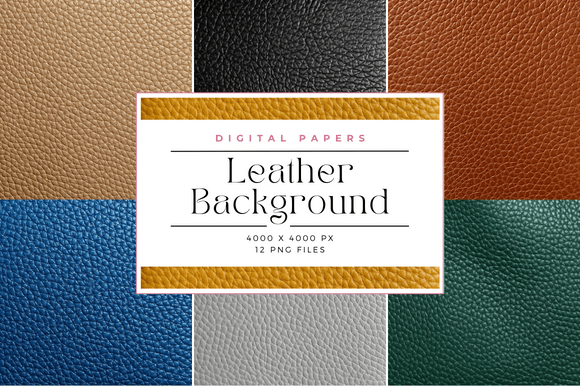
- A leather-bound deckle-edge journal is the fastest way to get the junk-journal look without any bookbinding skill.
About the Author: Alina has spent years designing and selling print-on-demand vintage graphics on Etsy and Amazon Merch, and now hunts down the physical vintage-decor finds that actually hold up — the ones with real material quality, not just a “vintage” label slapped on a modern print.