A junk journal isn’t a blank notebook you decorate later — it’s built page by page from whatever paper, fabric, and ephemera you’ve been hoarding, glued and stitched together before a single word goes in. That order matters more than most beginners realize, and it’s the difference between a journal that looks curated and one that looks like a school project.
The right base and the right cutting tool decide whether that build goes smoothly or turns into a mess of crooked edges and torn pages by page ten.
Quick answer: Start with a sturdy hardcover base — either a deckle-edge journal you dress up further or a plain hardcover you rebuild from the covers in — plus a precision craft knife set for clean paper cuts. Guided-prompt journals and plain lined notebooks aren’t true junk journal supplies, but they’re worth knowing about if you want writing structure instead of a blank canvas.
Before picking a base, it helps to know what actually separates a junk journal from a regular journal, and where a standard notebook still earns a place in the process.
What Actually Makes a Journal a “Junk” Journal?
The term comes from using junk — old book pages, tea-stained paper, fabric scraps, ticket stubs — as the working material instead of buying fresh sheets. Traditional journals ship with blank or lined pages meant to stay that way. A junk journal’s pages are meant to be altered before you’ve written a single line.
That’s why the base matters so much. A hardcover with rough, deckle-edge pages already has texture built in — you’re not fighting a slick, machine-cut edge every time you glue something down.
Best for: a textured base that already looks handmade
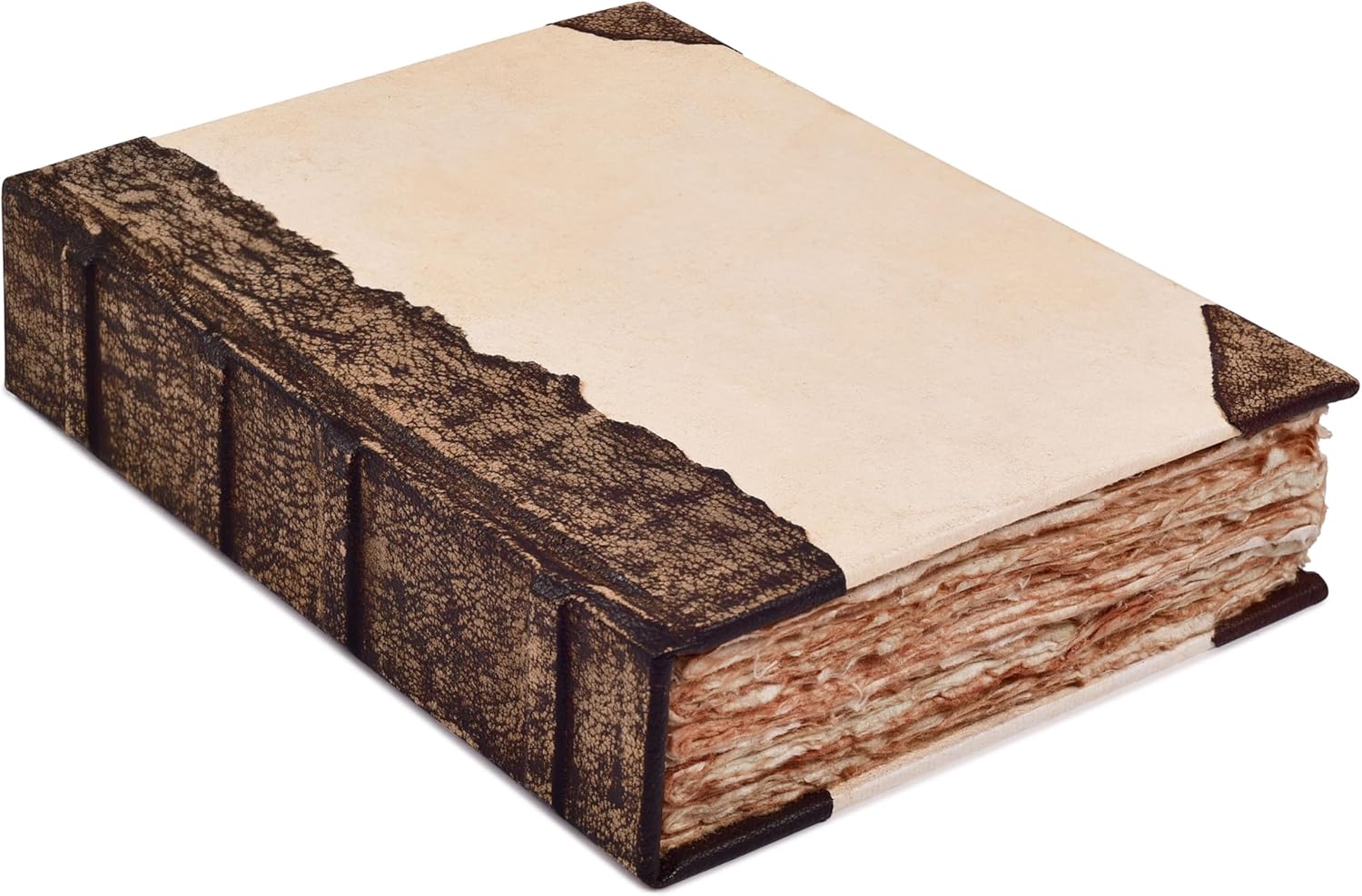
Rustic Vintage Leather Spine Bound Journal, 200 Pages
Deckle-edge paper was originally just a manufacturing side effect — early handmade paper was torn from a mold by hand, leaving that soft, feathered edge, and machine paper mills spent decades trying to eliminate it entirely before it came back as a deliberate aesthetic choice. This journal keeps that irregular edge on every one of its 200 pages, so the paper already reads as vintage before you glue a single scrap of ephemera onto it. The leather spine binding is stitched rather than glued, which is the detail that decides whether a 200-page journal survives being flipped through hundreds of times — glued spines crack; stitched ones flex. At roughly 6 by 4 inches it’s small enough to carry, and the watercolor-weight paper takes ink washes and light glue without buckling the way thin notebook paper does.
Do You Need a Craft Knife, or Will Scissors Work?
Scissors work for straight cuts on thick paper. They fail on the small, curved trims junk journaling actually demands — rounding a torn ledger page corner, slicing a tiny window for a photo, trimming lace or ribbon flush against a spine.
A precision knife with interchangeable blades handles all three without shredding the paper fibers the way dull scissors do. Keep a self-healing mat under whatever you’re cutting — without one, the knife either skids or chews into your table.
Best for: clean cuts on paper, fabric, and vinyl ephemera
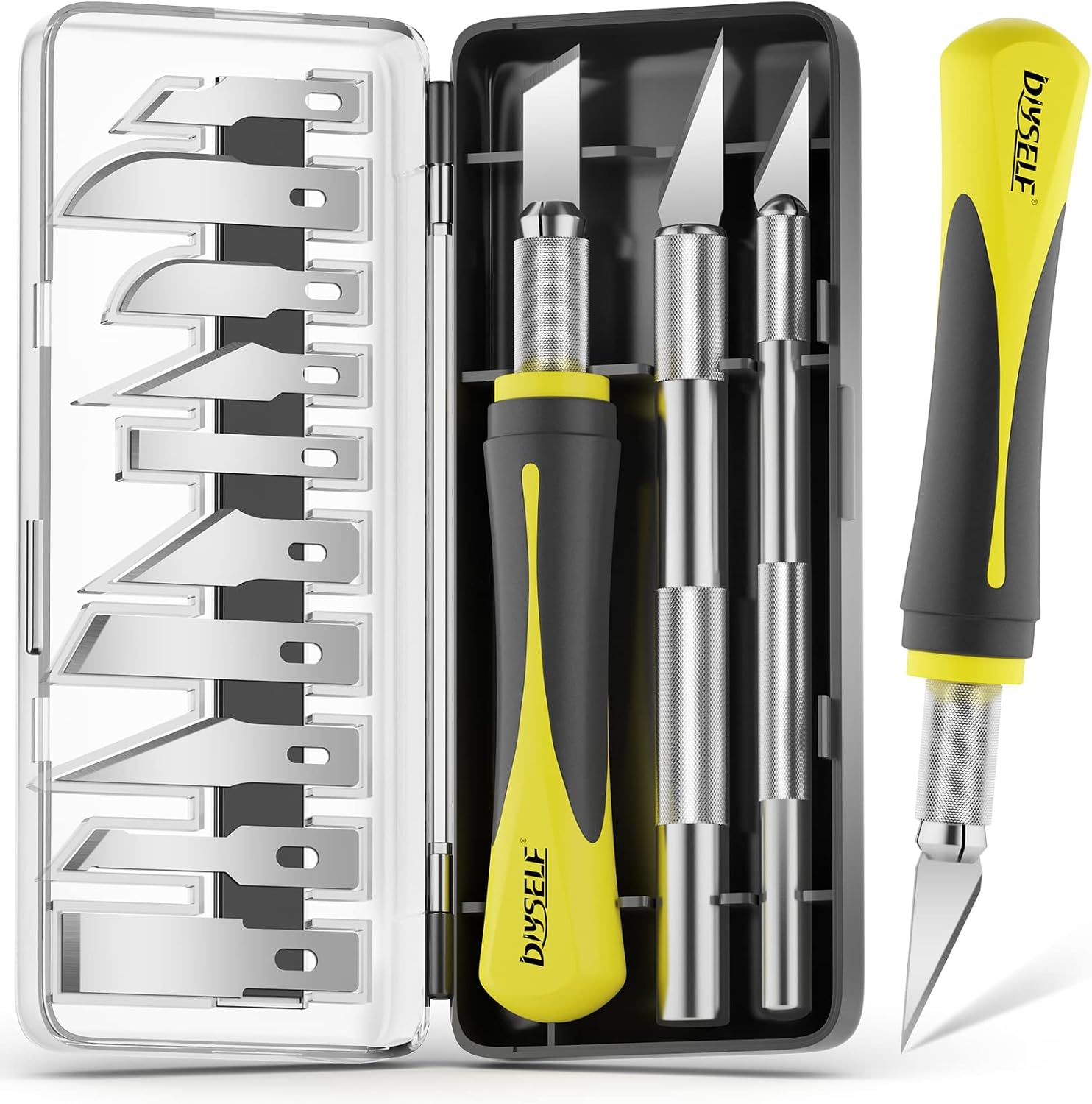
DIYSELF 16-Piece Precision Craft Knife Set
This set is one of the few on Amazon that lists junk journal supplies directly in its own product name, which tells you something about who actually buys it. It comes with 16 interchangeable blades in a magnetic storage case, so you’re not hunting through a junk drawer for the one blade that hasn’t gone dull — a dull blade is what tears deckle-edge paper instead of slicing it cleanly. The knife handle itself is rated for paper, foam, vinyl, and thin card stock, which covers the full range of materials a typical journal spread pulls from: ephemera pockets, fabric tabs, even light chipboard for reinforced covers. Keep the case closed when not in use; loose blades in a craft bag are the single most common way people report nicking themselves.
Can a Plain Notebook Work as a Junk Journal Base?
It can, but honestly — this is the one place where I’d push back on treating every journal-shaped product as junk journal material. A plain lined hardcover notebook wasn’t designed for glue, paint, or heavy embellishment; the paper is thinner and the lines are already printed on, which limits how much you can layer before the page shows through or buckles.
Where it does work: as a lined “base” you gut and rebuild, keeping only the covers and binding, then adding your own mixed-media pages inside. It’s a budget way to get a solid spine without paying for specialty journal paper.
Best for: a sturdy cover and spine to rebuild from scratch
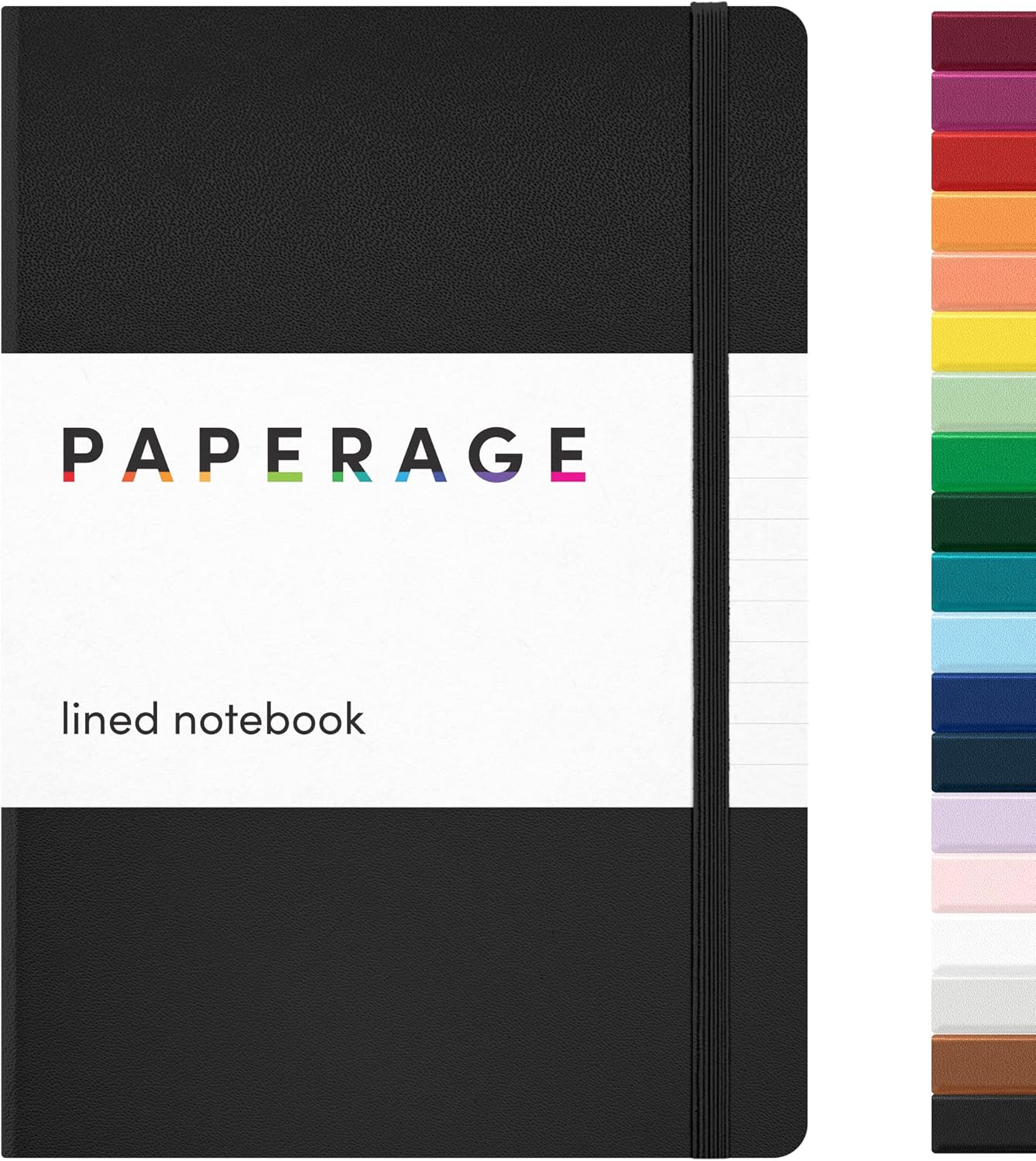
PAPERAGE Lined Journal Notebook, 160 Pages
To be upfront — this is a standard lined notebook, not a purpose-built junk journal, and the 100 GSM paper inside is thinner than what most collage work wants. Where it earns a spot on this list is the hardcover itself: a stiff, well-bound cover that holds its shape after the interior pages get replaced, which is a common technique when someone wants a specific cover look without hand-binding a whole journal from raw materials. If you’re new to journaling and just want somewhere to write plans before committing to a full junk journal build, the lined pages are genuinely useful as-is. If you’re planning to glue and layer, budget for gutting the interior first.
What’s the Fastest Way to Get Blank Pages Ready for Ephemera?
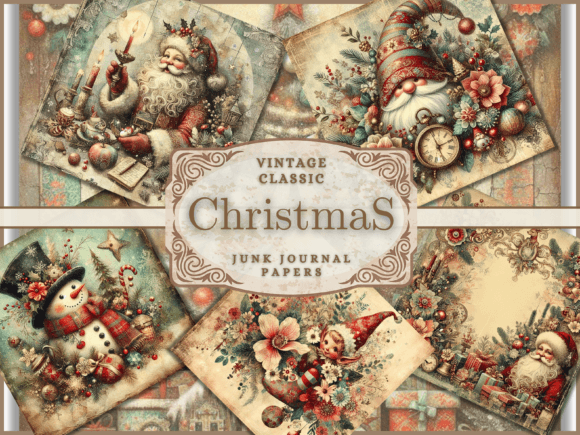
Blank, unlined pages are the actual standard for junk journaling — lines fight with collage work instead of framing it. A spiral-bound sketchbook with heavier paper gives you that blank canvas without the stitched-binding step, which matters if you’re building your first journal and don’t want to commit to bookbinding yet.
Spiral binding also lays flat, which stitched journals don’t always do until they’ve been broken in — useful if you’re gluing bulky items near the spine.
Best for: a beginner-friendly blank base that lies flat
Forvencer 2-Pack Blank Spiral Notebook, Hardcover Sketchbook
Two hardcover sketchbooks in one pack means you can afford to treat the first one as a practice run — most people’s early junk journal attempts get denser and messier toward the end as they get more comfortable with layering, so having a second book to apply what you learned is more useful than it sounds. The 100 GSM paper is thick enough to hold light washi tape and thin paper ephemera without the glue bleeding through to the next page, and the spiral binding opens completely flat, which a sewn-spine journal often won’t do until the pages have been worked for a while. At 8 by 5.6 inches it’s a manageable size for carrying to a craft table or working on in short sessions.
Browse More Junk Journal Supplies on Amazon →
Is a Guided Prompt Journal Actually Useful for Junk Journaling?
Not for the physical build, but it solves a different problem a lot of beginners hit: staring at a finished, decorated page with nothing to write on it. A prompt journal isn’t something you cut apart or glue into — it’s a separate tool for figuring out what to actually say once the visual layer is done.
Some journalers keep one alongside their junk journal specifically to draft entries before committing ink to a page they’ve already spent an hour decorating.
Best for: drafting entries before writing on decorated pages
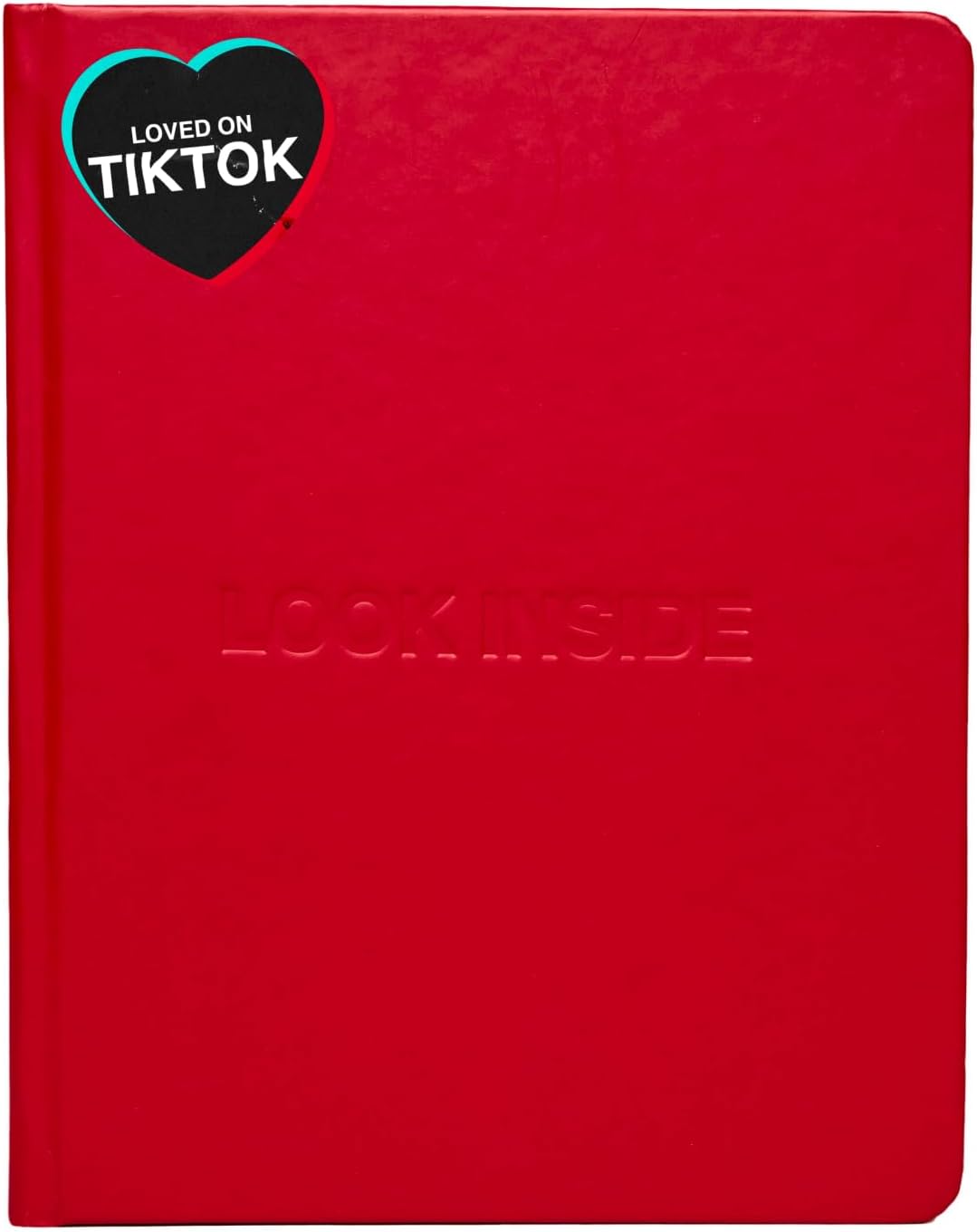
WE’RE NOT REALLY STRANGERS Guided Journal
This one is worth naming honestly: it’s a guided-prompt journal, not junk journal material, and it’s built to be written in directly rather than cut apart or used as a base. What earns it a spot here is the 180 pages of introspective prompts — one per page — which gives a beginner journaler somewhere to work out what they actually want to say before transferring a shorter version onto a decorated junk journal spread. Hardcover binding holds up to being carried around, and the prompt format means you’re never staring at a blank page wondering where to start, which is often the real reason a junk journal stalls halfway through.
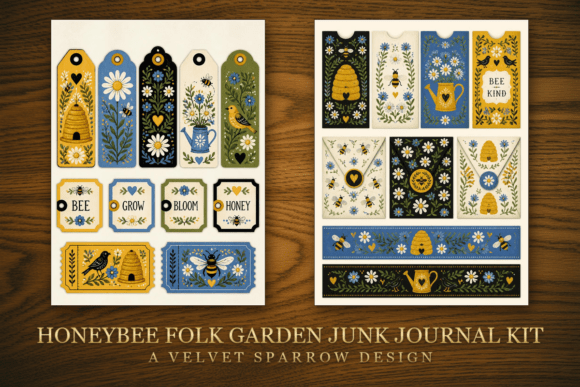
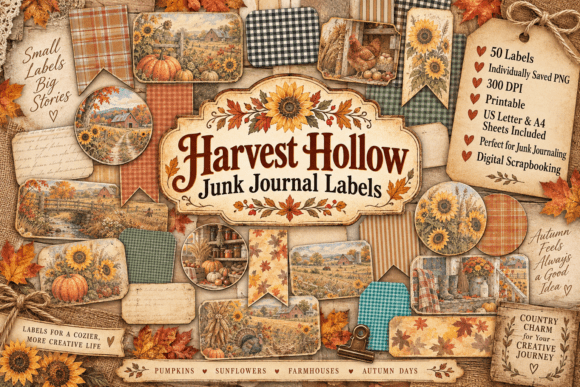
Want more ways to build out a journal’s visual layer? Our junk journal sticker and tag pack is a solid next step for decorating the pages you’ve built, and our vintage scrapbook paper guide covers finding textured paper stock for the base pages themselves.
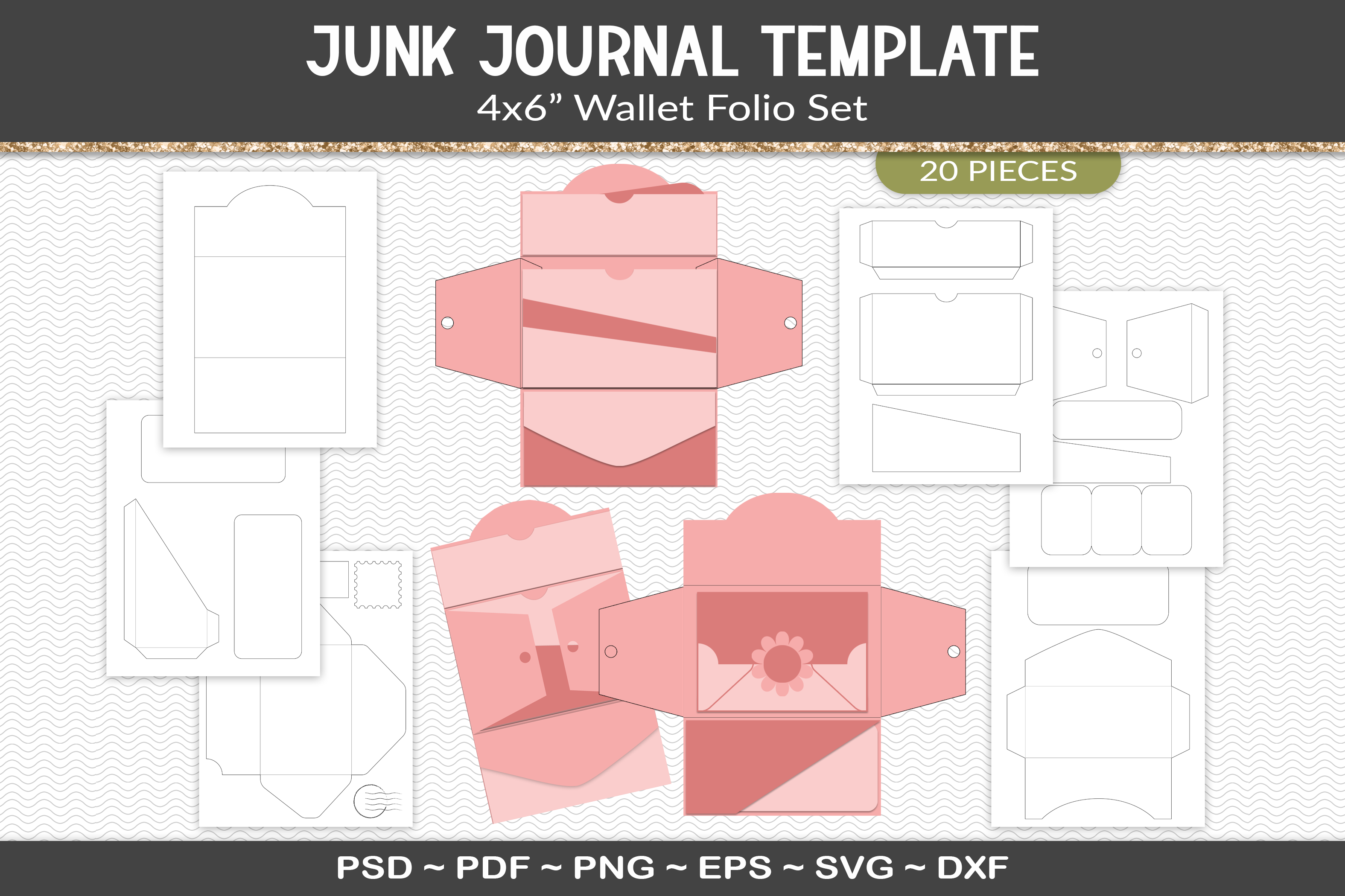
Printable Pages Are Easy to Find, Binding Is on You
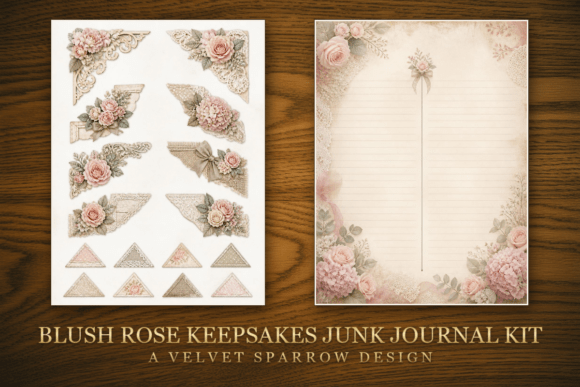
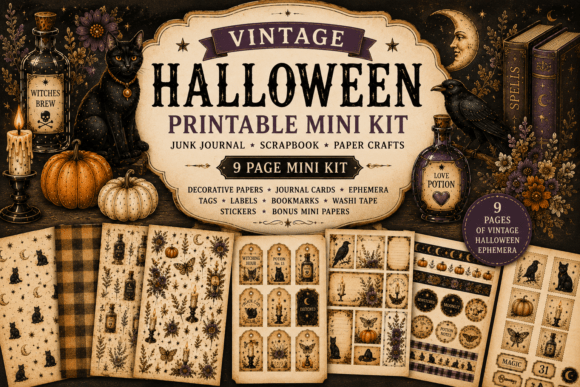
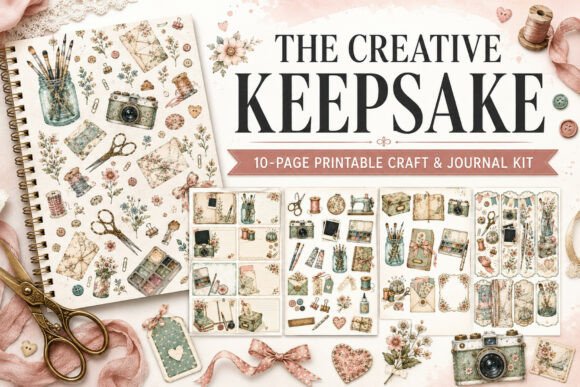
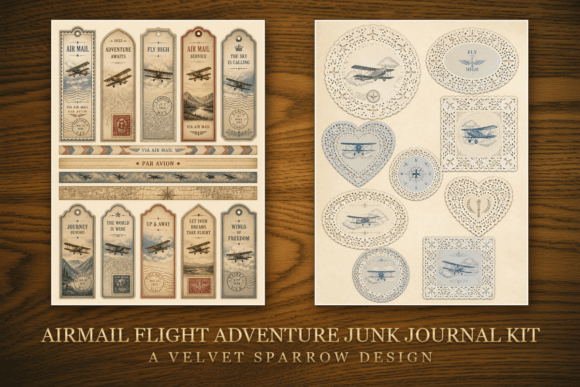
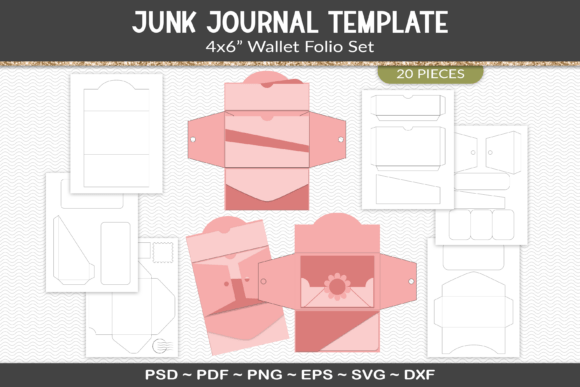
You can fill a journal with printed pages in an evening, but holding them together is the part you learn yourself. Out of 1748 junk journal designs on sale at Creative Fabrica, 1661 are printables, yet only 159 include a cover, 43 mention binding or stitching, 10 mention signatures and just 1 mentions the spine.
So plan the binding before you print:
- Fold 4 to 6 printed sheets into one signature. More than that and the pages fan out at the edge.
- Sew each signature through 3 or 5 holes with waxed thread. A simple pamphlet stitch is enough for your first book.
- Use one of the rebuilt covers above, or cut a cover from cereal box card and wrap it in a printed paper.
- Leave a gap of about 1/4 inch per signature on the spine so the book closes flat once it fills with ephemera.
Frequently Asked Questions
What’s the difference between a junk journal and a scrapbook?
A scrapbook is usually built around photos and captions in a fixed layout. A junk journal is built around texture and mixed ephemera first, with writing added afterward — there’s no fixed layout, and pages are often altered (torn, folded, layered) before anything goes on them.
Do I need bookbinding skills to start a junk journal?
No. Starting with a pre-bound hardcover or spiral notebook skips the binding step entirely, which is the fastest way to start if you just want to practice the paper and glue work first.
What paper works best for junk journal pages?
Anything with texture and some weight to it — deckle-edge watercolor paper, old book pages, kraft paper, thin cardstock. Thin printer paper buckles under glue and doesn’t hold up to layering.
Can I use a plain notebook instead of buying junk journal-specific supplies?
Yes, with a caveat — plain lined notebooks work best as a cover and spine you rebuild from, not as pages you decorate directly. The printed lines and thinner paper fight with collage work.
What tool do most people underestimate when starting out?
A proper craft knife. Scissors handle straight cuts fine, but the small curved trims and window cuts junk journaling actually needs are much cleaner with an interchangeable-blade knife and a cutting mat underneath.
Key Takeaways
- Want a base that already looks handmade? The Rustic Vintage Leather journal has deckle-edge paper built in.
- Clean cuts on paper, fabric, and vinyl ephemera come down to one tool — the DIYSELF 16-piece craft knife set.
- A plain lined notebook like PAPERAGE’s hardcover only works as a cover-and-spine rebuild, not as pages to glue directly.
- Blank, unlined pages beat lined ones for collage work — spiral binding also lies flatter for gluing near the spine.
About the Author: Alina has spent years designing and selling print-on-demand vintage graphics on Etsy and Amazon Merch, and now hunts down the physical vintage-decor finds that actually hold up — the ones with real material quality, not just a “vintage” label slapped on a modern print.