Most people don’t abandon a junk journal because the pages look bad. They abandon it because they open it, stare at a blank spot next to the ephemera, and have no idea what to write.
The assumption that trips people up: junk journal writing has to be diary-style, personal, and constant. It doesn’t. The words on a junk journal page are often just a fragment — a single line, a quote, a date, a place name — sitting next to the visual elements, not competing with them for space.
Quick answer: short fragments (a phrase, a date, a single observation) work better than full journal entries on most junk journal pages. Save longer writing for pages that are mostly text with little ephemera, and use prompts only when you’re stuck, not as a default format.
Why Do Full Diary Entries Usually Look Wrong on a Junk Journal Page?
A junk journal page is visually busy by design — layered paper, stamps, ribbon, dried flowers. A dense paragraph of handwriting competing with all of that turns into visual noise; neither the text nor the ephemera reads clearly. The pages that actually work usually have less text than people expect, placed deliberately in the negative space the layout leaves open.
This is the opposite of a plain notebook, where the writing is the entire point and fills the page edge to edge. Junk journal writing has to share space, so it needs to be shorter and more deliberate about where it sits.
What Actually Goes on the Page If Not a Diary Entry?
Four formats cover most pages: a single quote or line of poetry that matches the page’s mood, a date and location tag (useful for travel-themed spreads), a short observation (the rain didn’t stop all week is a full caption, not a fragment), or a list — three words, five words, whatever fits the space you’ve left.
Quotes specifically work because they’re compact and pre-written — no blank-page pressure. Pulling from old letters, song lyrics, or even product packaging (a vintage recipe card, an old advertisement line) also keeps the tone consistent with found-material aesthetics instead of sounding like a modern caption dropped into an old-looking page.
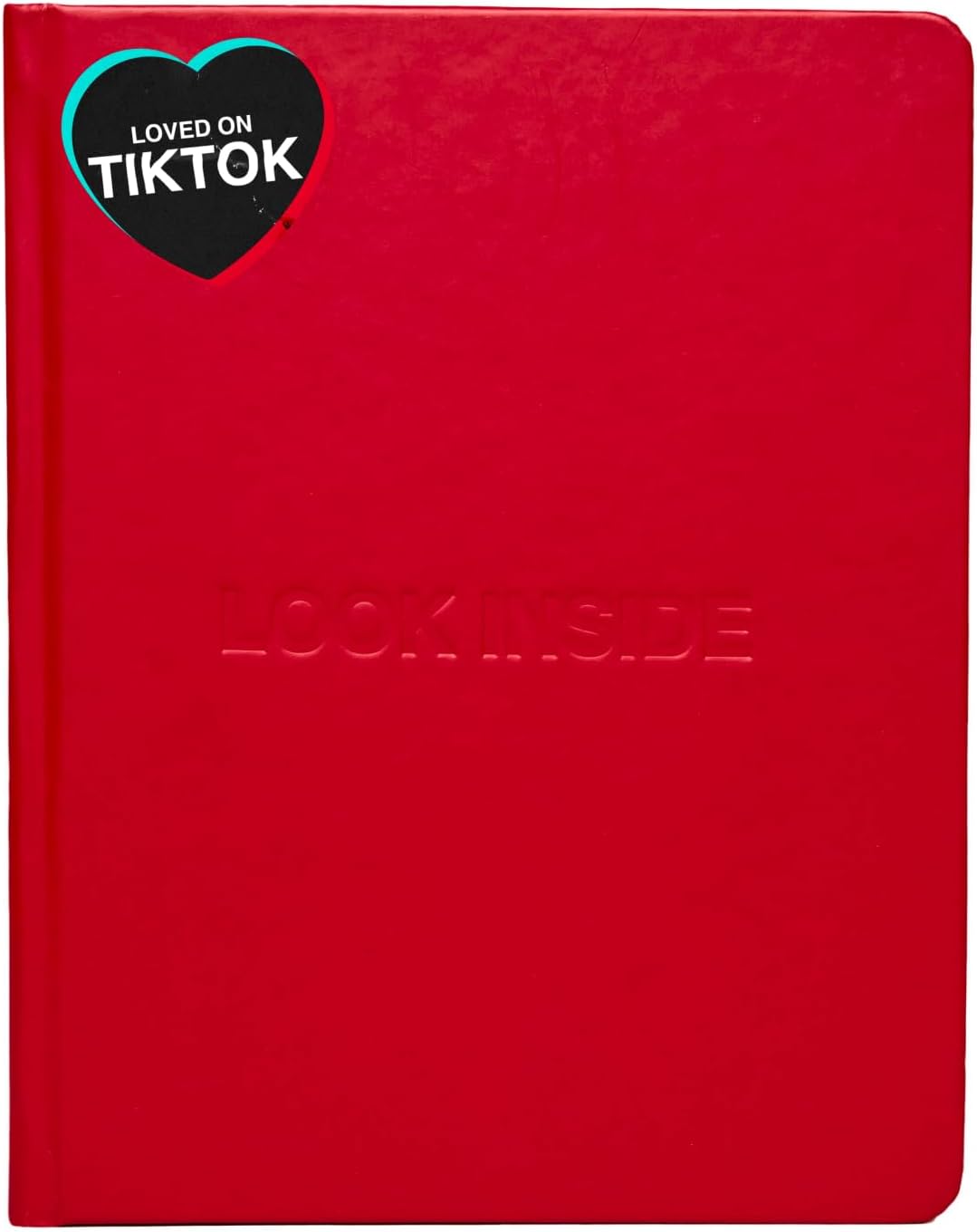
Best for: breaking through blank-page freeze
A guided prompt notebook isn’t meant to replace your junk journal — it’s a side notebook for working out what you actually want to say before committing ink to your good pages. Use it as a draft space, then transfer the one line that’s worth keeping.
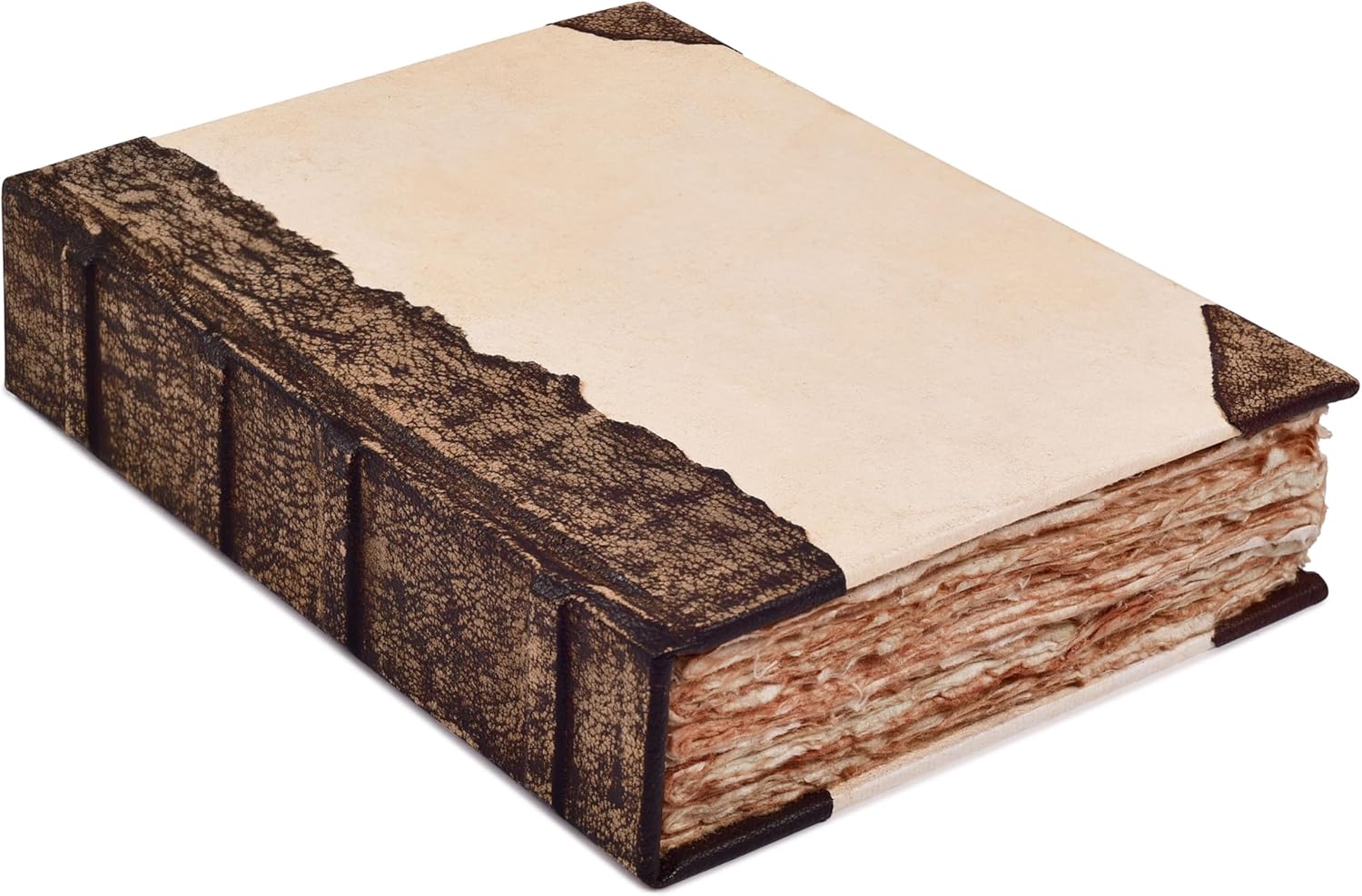
Best for: writing on pages that already look aged
Deckle-edge watercolor paper takes ink without the feathering you get on thin craft paper, so a few handwritten words sit cleanly on a page that already reads as old. Worth it if your words are the layer you want people to notice first.
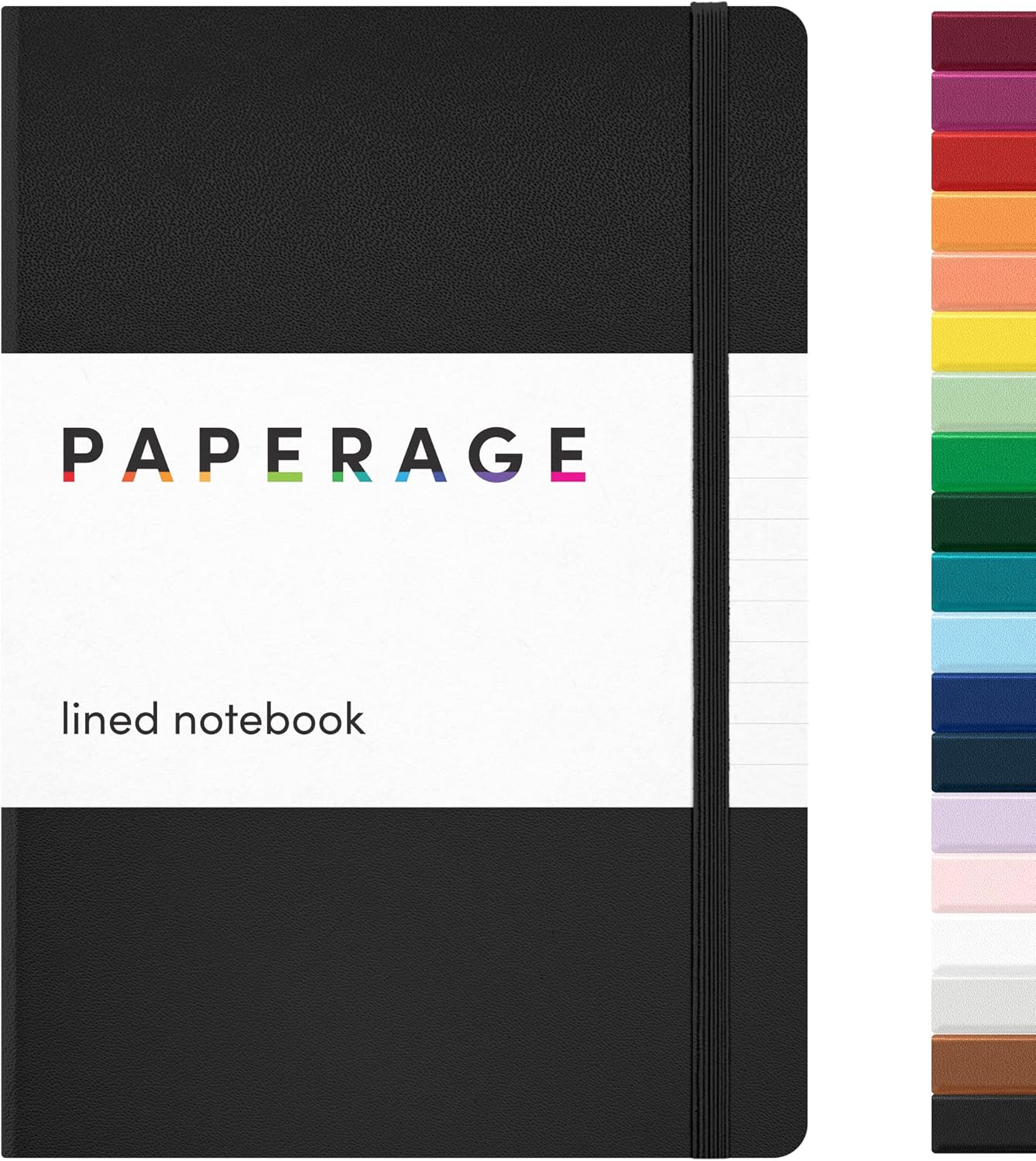
Best for: keeping handwriting straight across a spread
Lines sound like the opposite of junk journaling, but they stop long passages from drifting downhill across a wide page. Use this one for the journals where you write paragraphs rather than a single caption under a photo.
How Do You Pick What to Write Without Overthinking It?
Look at the page first, not a blank prompt list. What’s the dominant color or object on the layout — a pressed flower, a train ticket, a torn map corner? Write toward that object specifically instead of toward a generic theme. This is the platform we almost missed the train from says more in one line than a paragraph of unrelated memory would.
If nothing comes to mind, a single word is a legitimate answer. Some of the strongest pages have just one word — a name, a place, a season — sitting in a corner, doing more work than a full sentence would.
What Mistake Do Most People Make With Journal Prompts?
Treating a prompt list as something to answer completely, every time, on every page. Prompts are a starting point for one line, not a writing assignment. Someone who tries to fully answer describe a memory this reminds you of on every single page burns out after a dozen pages and stops journaling altogether.
The fix is using prompts to unstick a specific page, then walking away from the list once the words start coming on their own. The list is a crutch for blank-page moments, not a format to follow cover to cover.
Buying Printed Words Instead of Writing Them
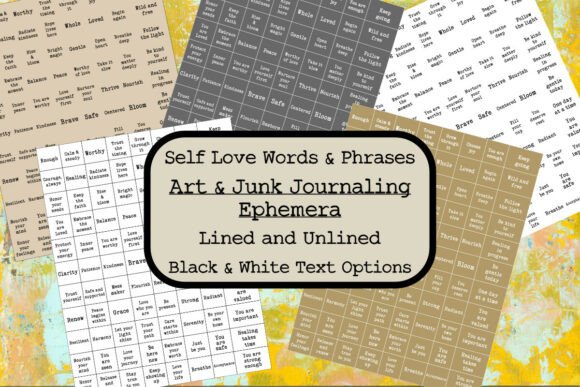
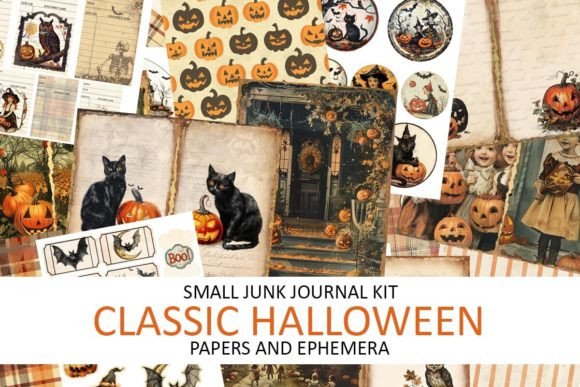
If your handwriting is the thing stopping you, printed word strips are the easy fix. Out of 26 junk journal word, quote and sticker sets on sale at Creative Fabrica, 12 are quote sets, 11 are sticker sheets and 8 are single words, but only 2 tell you how many pieces you get, and 7 are ready for print and cut.
So before you buy, zoom into the preview and count the strips on one sheet. You want short pieces of one to four words that you can tuck under a photo or a tag; a sheet of long quotes fills a page by itself and leaves you nothing to add. If you cut by hand, a set with plain rectangles saves you the fiddly outline cutting that sticker shapes need.
Frequently Asked Questions
Do I need to write something on every junk journal page?
No — some of the strongest pages are entirely visual, with ephemera and layout doing all the communicating. Text is optional, not mandatory, on any given spread.
Where do good junk journal quotes come from?
Old letters, song lyrics, book margins, and vintage packaging text all work well — they carry a tone that matches found-material pages better than a modern quote pulled from social media.
Should handwriting match the vintage aesthetic too?
It helps. Cursive, a slight slant, or a typewriter-style font all read as more period-appropriate than plain print handwriting, though it’s a smaller factor than what you actually write.
Is it okay to reuse the same phrase across multiple pages?
Yes — a recurring short phrase or date format can actually tie a journal together as a theme, the same way a recurring visual element does.
What if I genuinely can’t think of anything to write?
Write one word describing the dominant object on the page. It’s a complete answer, and it almost always leads to a second word once it’s down on paper.
Once the writing side feels solved, our junk journal vs scrapbook comparison helps confirm you’re building the right kind of page in the first place, and the DIY junk journal guide for beginners covers the binding and materials side.
Key Takeaways
- Short fragments — a phrase, date, or single word — usually work better than full diary entries on layered pages.
- Write toward the specific object on the page, not a generic theme.
- Use prompts only to unstick one page, not as a format to follow throughout the whole journal.
- A separate guided-prompt notebook is useful as a draft space before committing words to your actual journal.
About the Author: Alina has spent years designing and selling print-on-demand vintage graphics on Etsy and Amazon Merch, and now hunts down the physical vintage-decor finds that actually hold up — the ones with real material quality, not just a “vintage” label slapped on a modern print.