You’ve got a stack of old photos, a few train tickets, and a shoebox of ephemera that’s been sitting untouched for a year. Junk journaling turns that pile into something you’ll actually flip through again — but only if the first few pages don’t scare you off before you get going.
Most beginners overthink the layout before they’ve even glued anything down. The easiest entry point isn’t a perfect spread — it’s a handful of simple techniques that look good with almost no planning.
Quick answer: The easiest junk journal ideas for beginners are pocket pages (tuck loose ephemera instead of gluing everything flat), tip-in strips (a strip of patterned paper taped along one edge that flips open), and simple washi-tape borders. All three need almost no planning and still look intentional once the page is done.
| Product | Best for | Material | |
|---|---|---|---|
 Pin it Pin it |
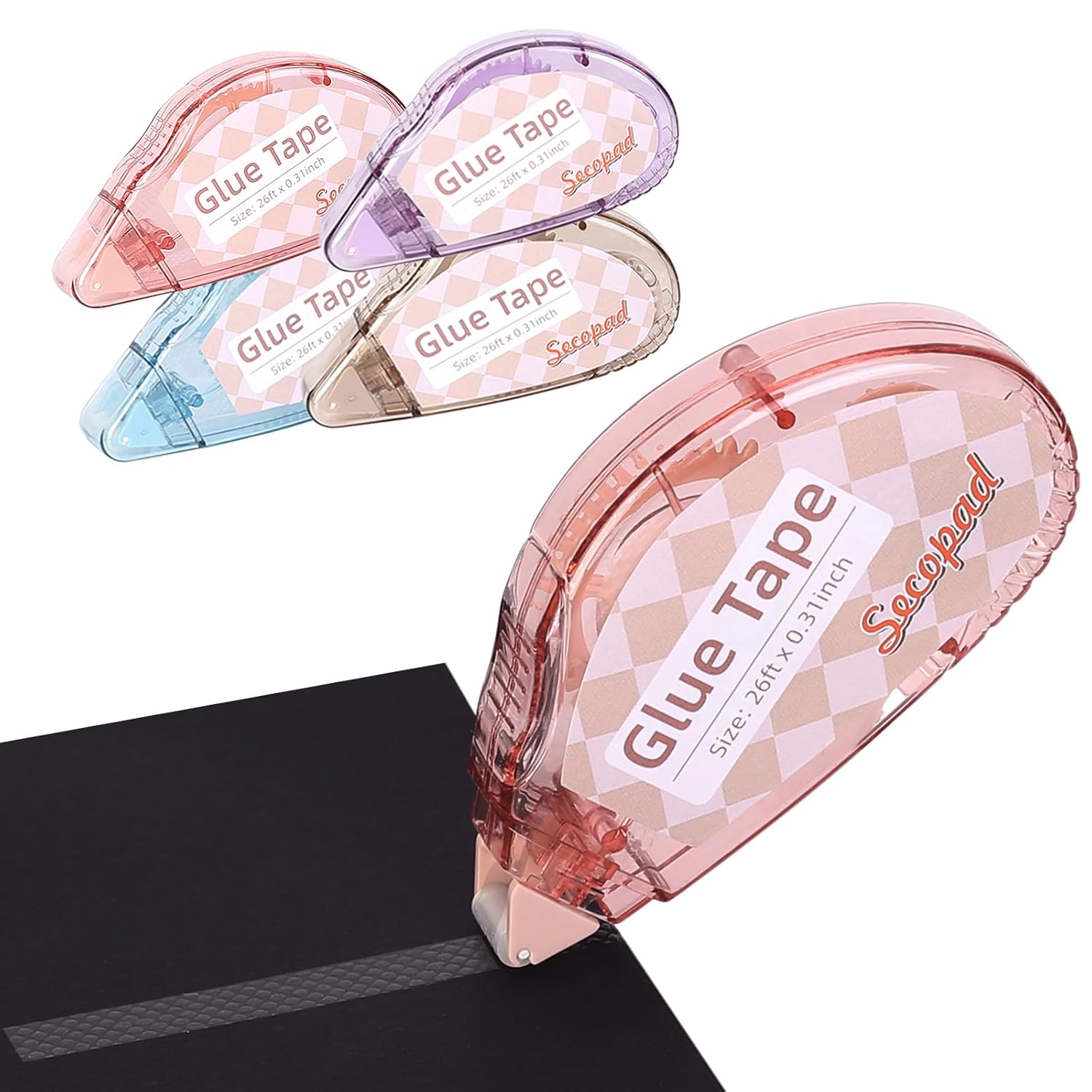
Secopad Scrapbook Tape, 4-Pack | Assembling pocket pages | Double-sided adhesive roller |
 Pin it Pin it |
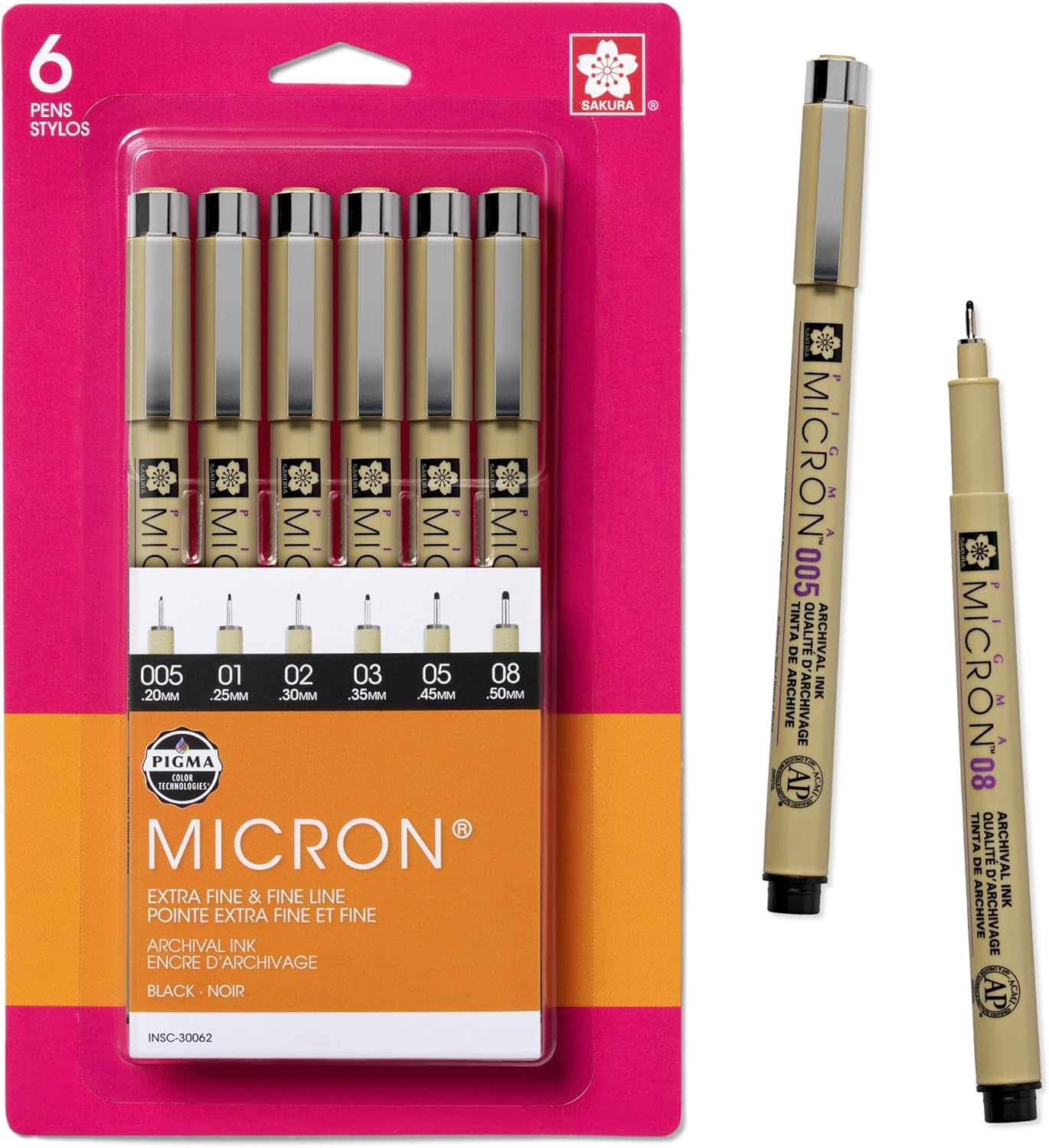
Sakura Pigma Micron Fineliner Pens | Bleed-free handwritten captions | Archival pigment ink |
 Pin it Pin it |
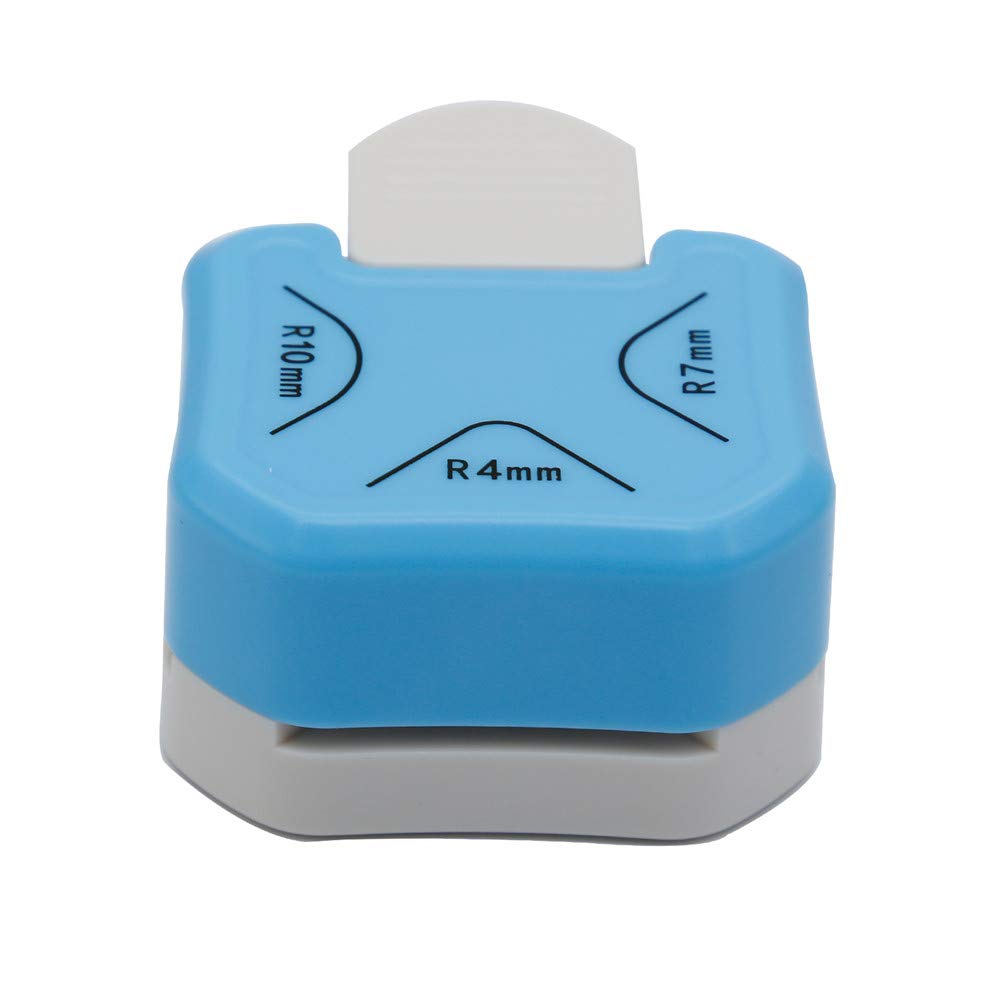
QIQQIKIN 3-in-1 Corner Rounder | Rounded photo & tag corners | Steel punch, 3 radius sizes |
 Pin it Pin it |
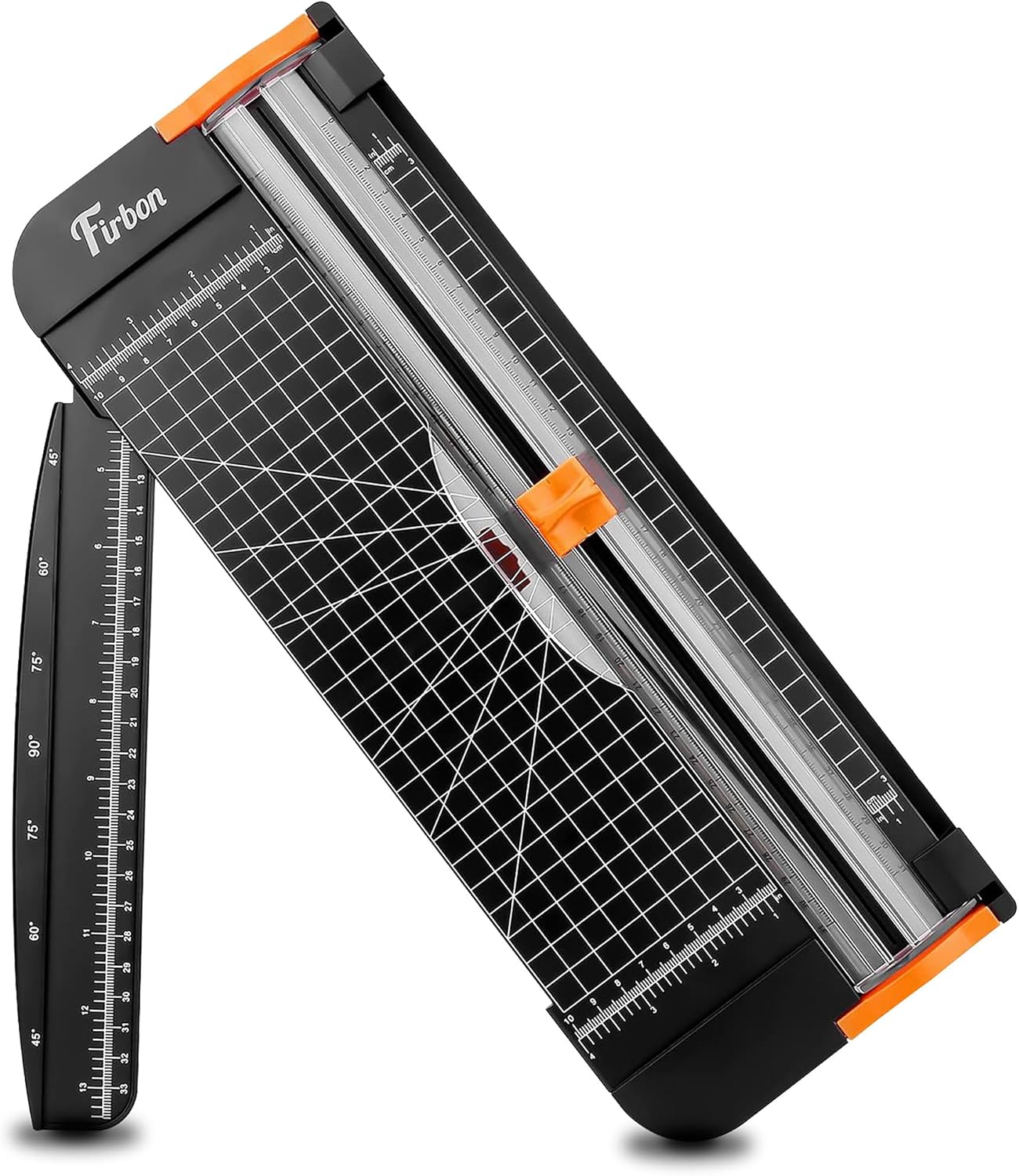
Firbon A4 Titanium Paper Trimmer | Clean straight cuts | Titanium blade, 12-inch |
 Pin it Pin it |
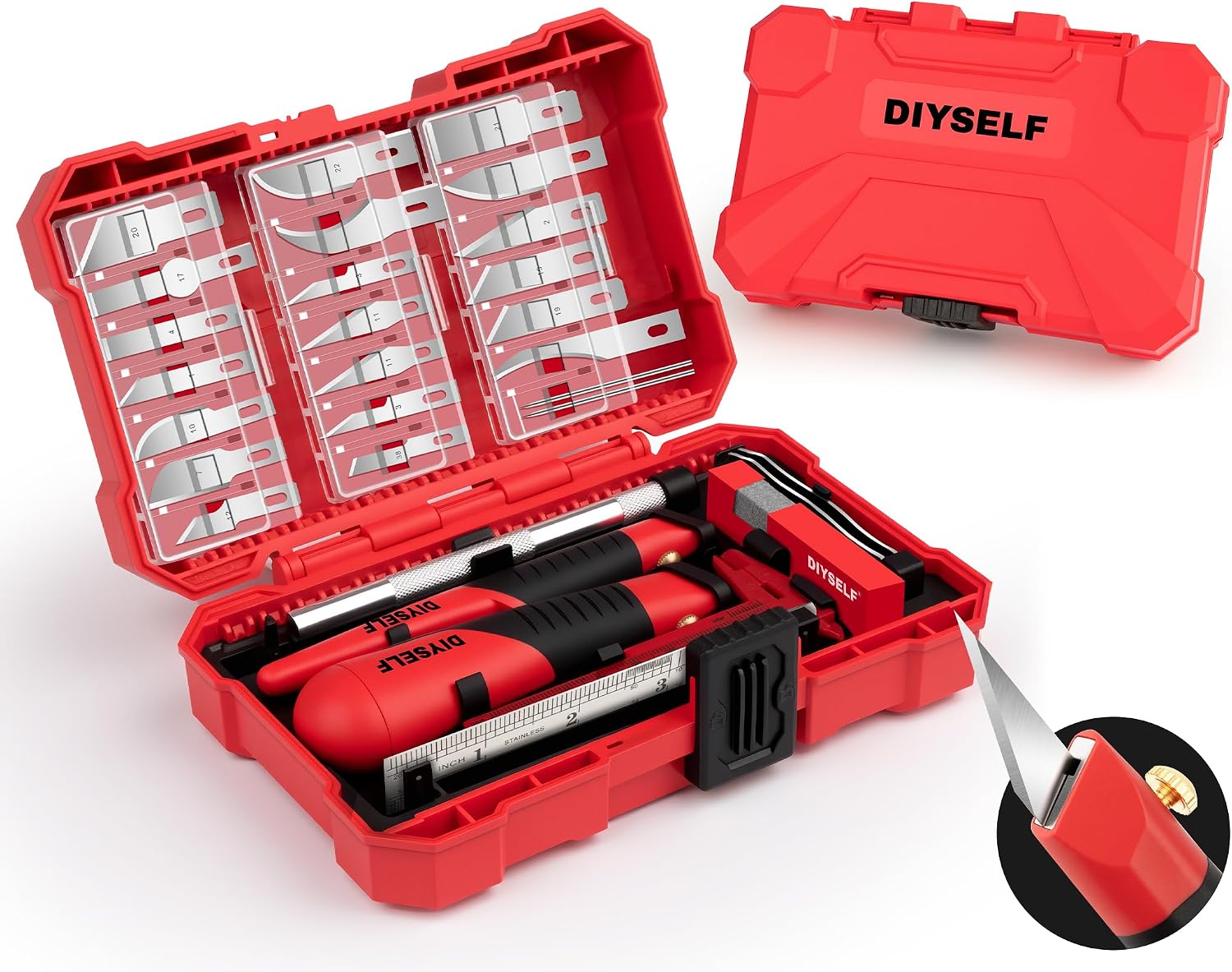
DIYSELF 41-Piece Exacto Knife Set | Fussy-cutting small shapes | Interchangeable steel blades |
 Pin it Pin it |
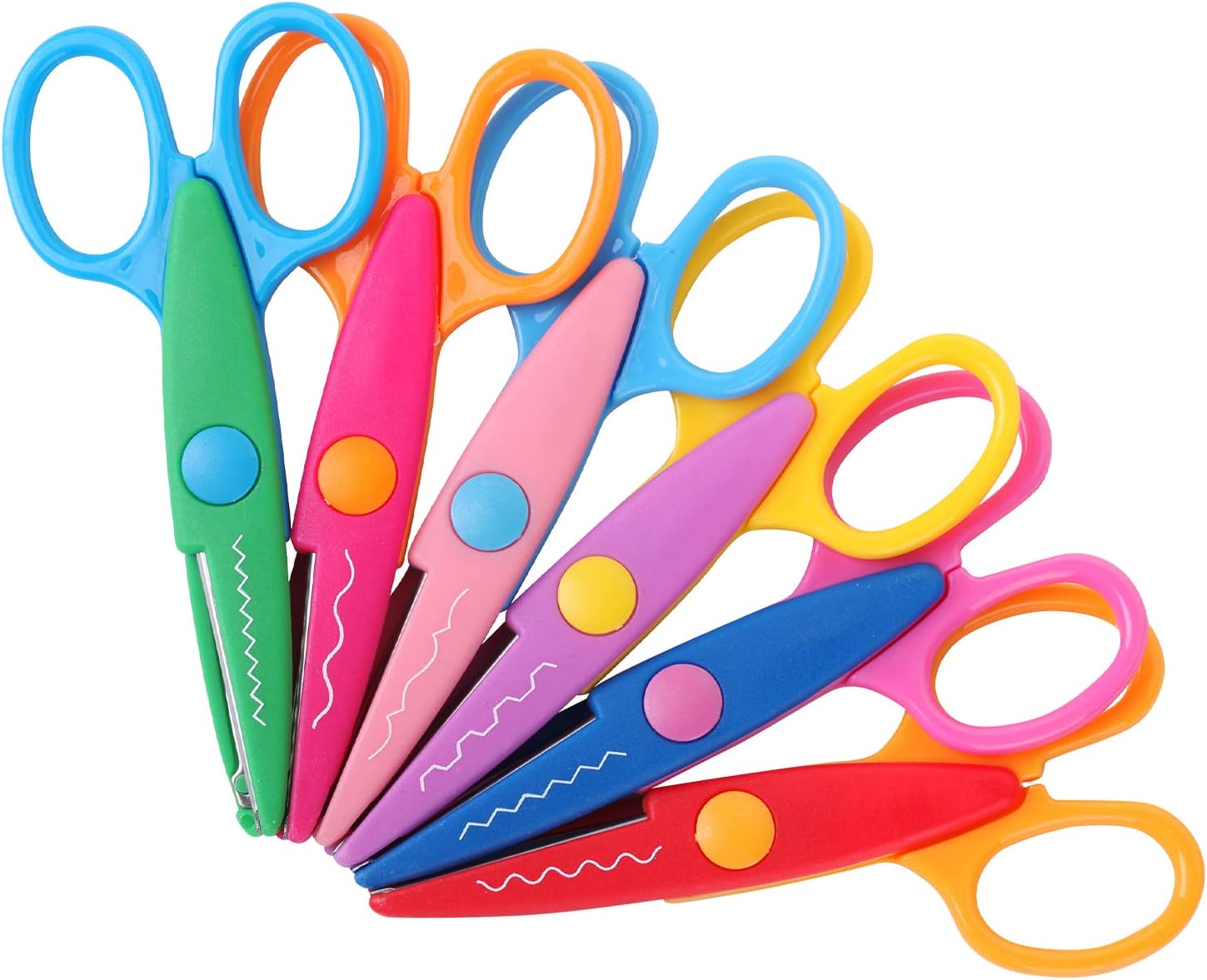
Mr. Pen Decorative Edge Scissors, 6-Pack | Vintage zigzag & scalloped borders | Stainless steel, 6 patterns |
 Pin it Pin it |
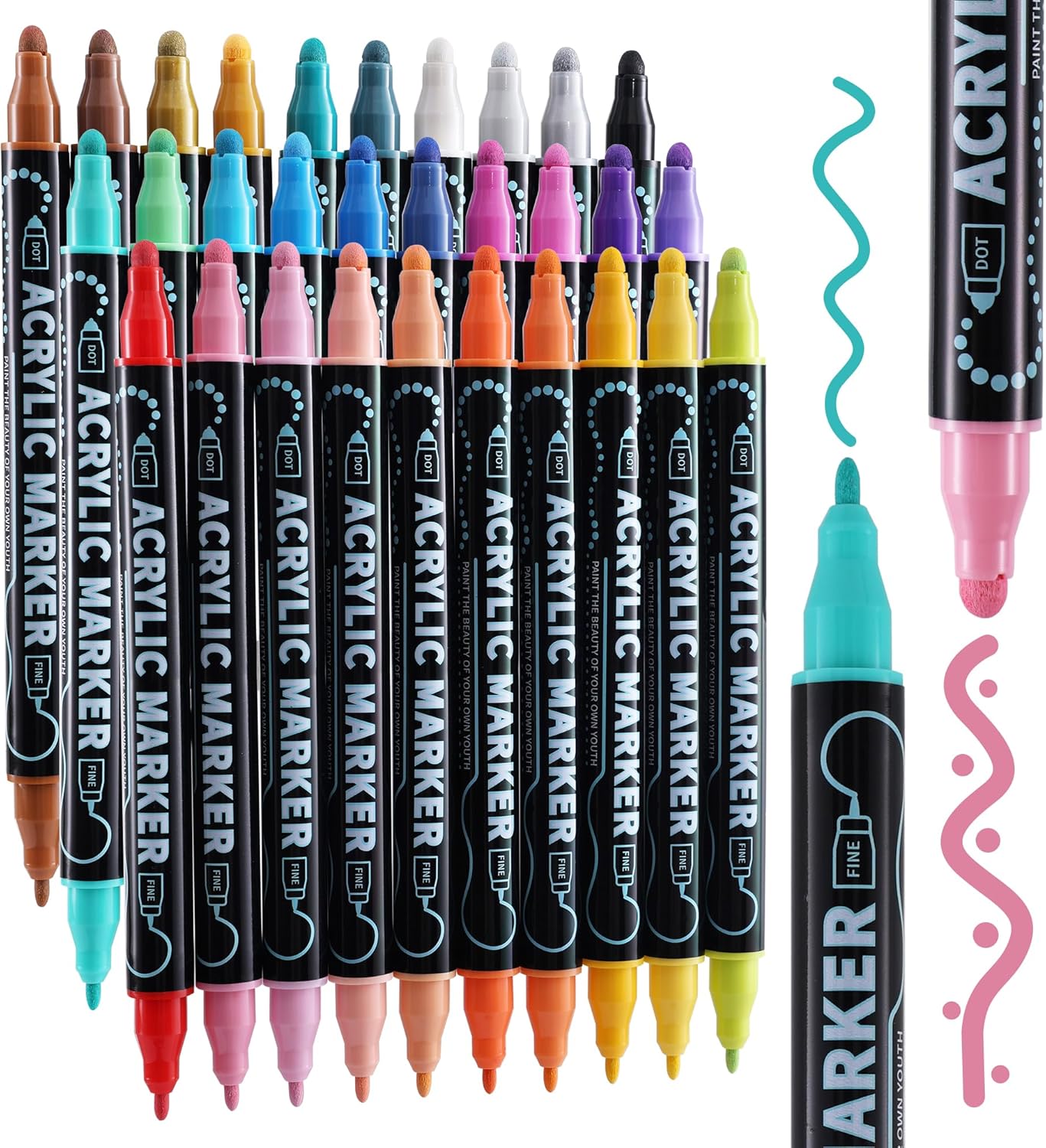
Nauets Dual-Tip Acrylic Paint Markers | Extra color range on any surface | Acrylic paint, dual tip |
 Pin it Pin it |
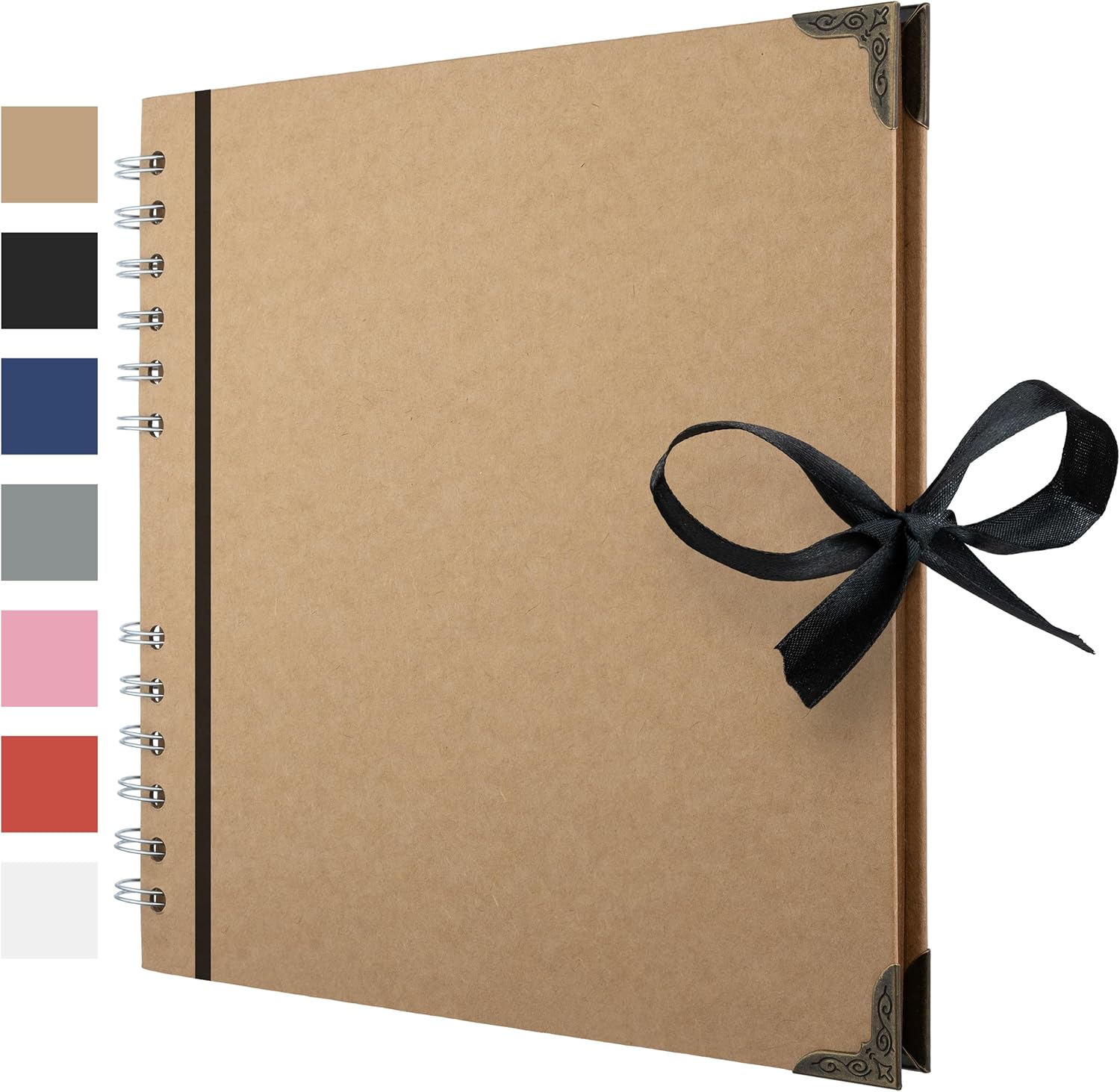
Bstorify 60-Page Kraft Scrapbook Album | Starting a full journal fast | 200gsm kraft paper, 8×8 in |
 Pin it Pin it |
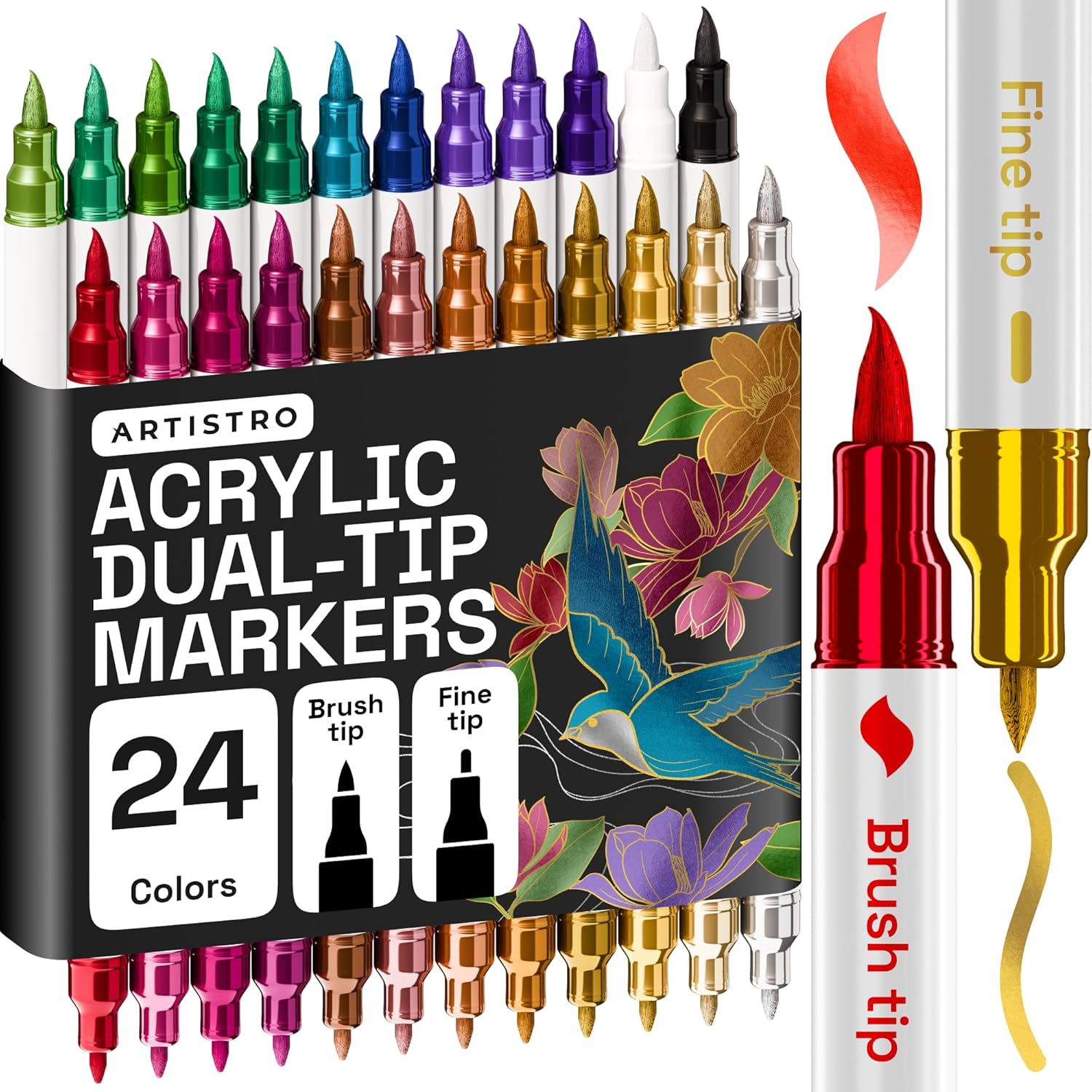
Artistro 24 Metallic Acrylic Paint Markers | Accents on kraft & dark paper | Metallic acrylic pigment |
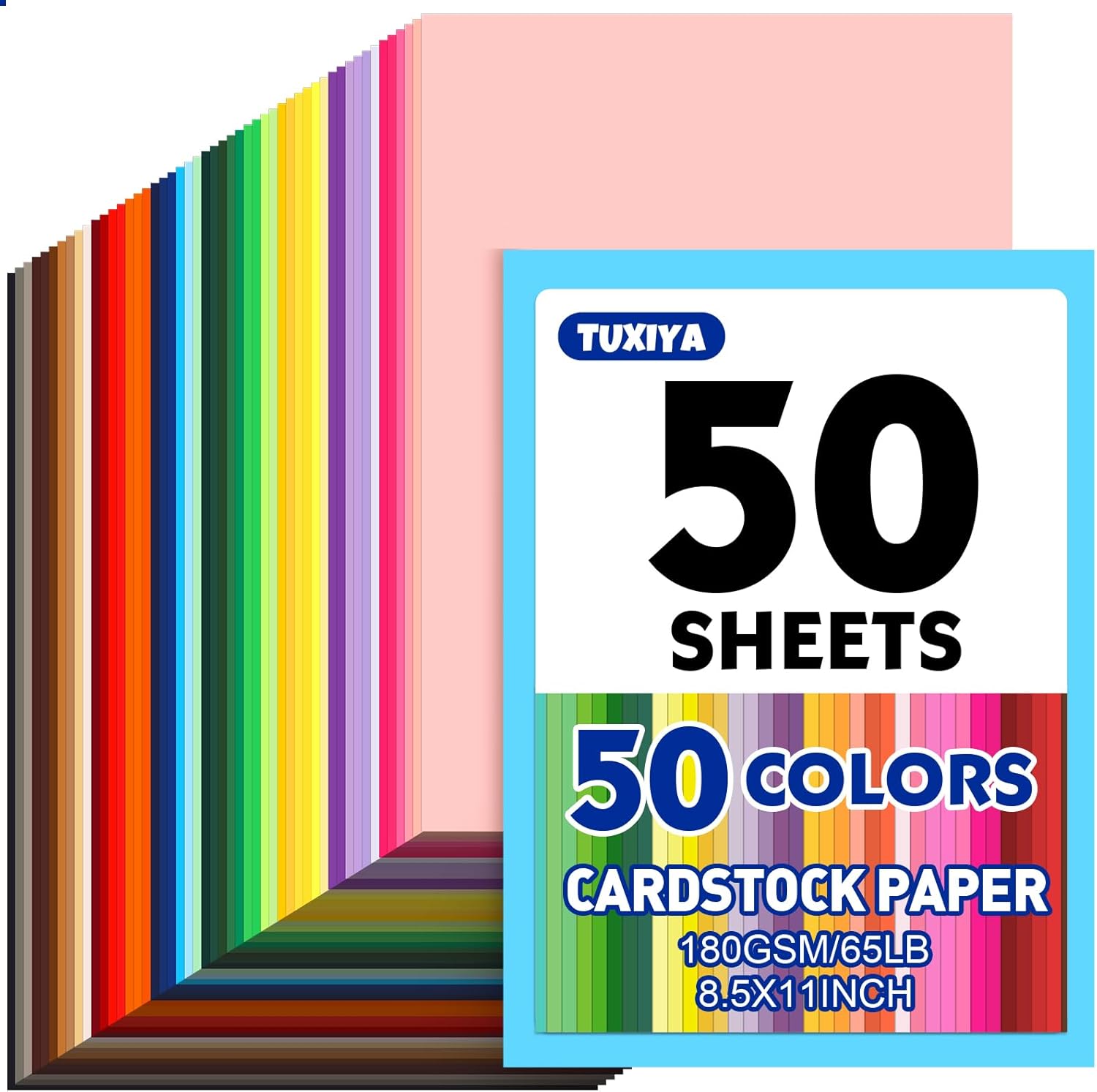
| 50-Sheet Colored Cardstock, 50 Colors | Section dividers & color accents | 180gsm cardstock |
What’s the Fastest Way to Fill a Page Without Overthinking the Layout?
Pocket pages solve the blank-page problem better than almost anything else. Fold a piece of scrapbook paper into a simple envelope, glue three edges down, and leave the top open — now you have somewhere to tuck ticket stubs, small photos, and notes without committing to a permanent placement. It also means the page holds more than what’s glued flat, since the pocket itself becomes storage.
A double-sided tape roller makes this faster than liquid glue, especially on paper prone to buckling. No drying time, no wrinkled pages, and it holds ephemera weight better than a glue stick on repeated flipping.
Best for: assembling pocket pages fast
Secopad Scrapbook Tape, 4-Pack Double-Sided Roller
Double-sided tape rollers were originally built for card-making, where a glue stick’s wet drying time ruins delicate cardstock — junk journalers adopted the same tool because it does the same job on ephemera. A four-pack means one roller for pocket-page edges, one for smaller detail work, and spares before the adhesive wheel runs dry mid-project, which happens faster than most people expect once a page gets busy. It holds heavier ephemera (photos, ticket stubs) without the curling a glue stick causes on thin paper.
How Do You Add Handwritten Notes Without the Ink Bleeding Through Thin Pages?
Junk journal pages are often thinner and more absorbent than standard printer paper — regular ballpoint or gel pens bleed through and show on the reverse side, which ruins a spread you’ve already filled. Archival pigment pens solve this because the ink sits on the surface rather than soaking in, and they don’t fade or shift color over years the way dye-based ink can.
Archival ink also matters if the journal is meant to last — dye-based pens fade under UV exposure over a few years, while pigment ink stays legible decades later. Worth knowing before writing captions you’ll want to still read in ten years.
Best for: handwritten captions that won’t bleed or fade
Sakura Pigma Micron Fineliner Pens, Archival Black Ink
Pigma Micron pens are the standard reference point for archival pens in journaling communities, not because of marketing but because the pigment-based ink is genuinely waterproof and fade-resistant once dry — museums and archivists use the same ink chemistry for a reason. Multiple tip widths in one set mean fine detail lettering and bolder section headers without switching pen brands mid-page. On thin junk journal paper specifically, the fine tips (01, 02) bleed the least since less ink touches the page per stroke.
What Makes a Page Look Finished Instead of Just Stuff Glued Down?
The difference between a cluttered page and an intentional one usually comes down to edges. Sharp, square-cut ephemera reads as unfinished — rounded corners on photos and paper strips is the single visual cue that separates a curated vintage look from a pile of scraps. It’s a five-second step per item that changes how the whole page reads.
Decorative-edge scissors do similar work on borders and tags — a zigzag or scalloped cut on a strip of paper looks deliberately vintage instead of accidentally torn.
Best for: the rounded-corner finish on photos and tags
QIQQIKIN 3-in-1 Paper Corner Rounder Punch
Three interchangeable radius sizes (4mm, 7mm, 10mm) in one tool means small tags get a tight, delicate round while larger photos or cardstock backgrounds get a more visible curve — matching the corner radius to the piece size is what makes rounded corners look intentional instead of just rounded because rounding is a trend. A dull corner punch tears rather than cuts on repeated use, so check the blade sharpness reviews before buying if the journal involves heavier cardstock.
Best for: vintage zigzag and scalloped borders
Mr. Pen Craft Scissors, Decorative Edge, 6-Pack
Six different edge patterns in one set covers most of what shows up in vintage-style junk journal spreads — pinking zigzags, wave scallops, deckle-edge mimics. The deckle-edge pattern specifically replicates the torn, feathered edge of genuinely old handmade paper, which is a detail most beginners try to fake by hand-tearing and get inconsistent results from. Keep one pair dedicated to paper only; cutting anything with adhesive residue dulls the pattern teeth fast.
What’s the Easiest Way to Start a Whole Journal From Scratch, Not Just One Page?
Building a journal from loose pages means dealing with a spine, cover weight, and page order before a single design decision gets made — that’s the part that stalls most people before they start. A pre-bound blank album skips all of it: the structure is already there, so the only decision left is what goes on each page.
Thicker kraft paper (200gsm or heavier) also matters more than beginners expect — thin pages buckle under wet glue and multiple paper layers, while heavier stock holds up to a full spread of ephemera without warping.
Best for: starting a full journal without building a spine
Bstorify Scrapbook Album, 60 Pages, 8×8 Inch Kraft Paper
A pre-bound 8×8 album at 200gsm kraft weight solves the two biggest beginner blockers at once — no binding to figure out, and paper thick enough to survive tape, glue, and layered ephemera without buckling. Sixty pages is enough to commit to a real project without the pressure of filling a 200-page journal that sits half-empty for years. Kraft’s warm tan tone also reads as vintage by default, so pages look aged before anything’s even added.
Which Tools Actually Get Used Every Session, Not Just Once?
A few tools earn a permanent spot in a junk journal kit because nearly every page needs them, unlike specialty tools that get used once and forgotten. A sharp paper trimmer for clean straight cuts, a detail knife for fussy-cutting small ephemera shapes, and a set of fine paint markers for color accents on kraft or dark paper cover most sessions without needing anything else on the table.
Best for: clean straight cuts on cardstock and photos
Firbon A4 Titanium Paper Trimmer, 12-Inch
A titanium-coated blade holds an edge through far more cuts than the standard steel blade in most budget trimmers, which matters once cardstock and photo paper start dulling a blade fast. The built-in ruler and grid means straight cuts without a separate ruler and craft knife, and the automatic clamp holds the paper still through the cut — a small detail that prevents the slight drift that ruins an otherwise clean edge on thicker stock.
Best for: fussy-cutting small ephemera shapes
DIYSELF 41-Piece Exacto Knife Set
Fussy-cutting — trimming tight around a printed image’s actual outline instead of a straight edge — needs a blade thin enough to turn corners that scissors can’t manage. A 41-piece set with interchangeable blade shapes covers curved cuts, straight precision cuts, and detail work on small paper elements without constantly re-sharpening one all-purpose blade. Extra blades matter more than the handle itself; a dull blade tears delicate ephemera instead of cutting it cleanly.
Best for: color accents that show up on dark or kraft paper
Artistro 24 Metallic Acrylic Paint Markers
Regular gel pens and markers go nearly invisible on kraft brown or dark cardstock — metallic acrylic pigment is opaque enough to actually show up, which is why metallic pens specifically (not just any paint marker) matter for journal pages built on tan or dark backgrounds. Twenty-four colors gives enough range for title lettering, small illustrations, and border accents without buying single pens as needed. Shake and prime the tip before first use — skipping this step is the most common reason a new metallic marker doesn’t work out of the box.
What If You Want More Color Variety Than Kraft and Cream Tones?
Not every journal has to stay in the muted vintage palette — colored cardstock backgrounds work as section dividers or accent pages inside an otherwise neutral journal, giving visual breaks between chapters or themes without breaking the overall aesthetic if used sparingly.
Best for: section dividers and colored accent pages
50-Sheet Colored Cardstock, 50 Assorted Colors
Fifty distinct colors in one pack means never running out of a specific shade mid-project, which happens fast once cardstock gets used for backgrounds, tags, and cut-out shapes across a full journal. Used sparingly — one colored divider every several pages — it breaks up a long stretch of kraft-toned spreads without turning the whole journal into a rainbow. Cardstock weight also holds paint markers and pigment pen ink better than standard printer paper, so it doubles as a testing surface for new tools.
Looking to build out a full vintage-style kit? Our junk journal gift kits guide covers ready-made bundles, and our junk journal flip-through picks show finished pages for layout inspiration.

Printable Junk Journal Kits: Check the Paper Size
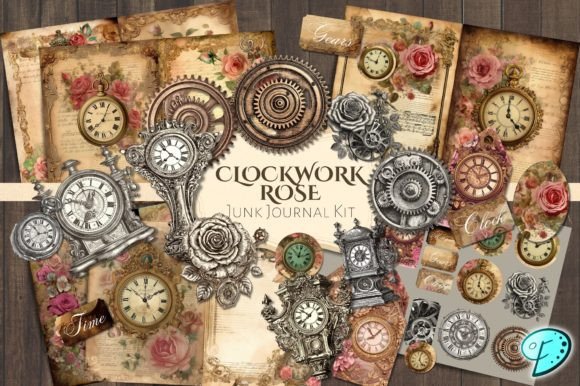
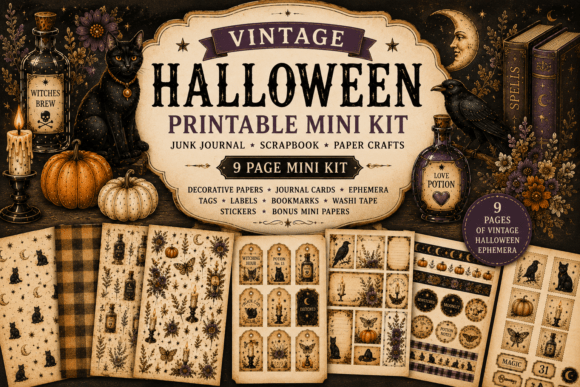
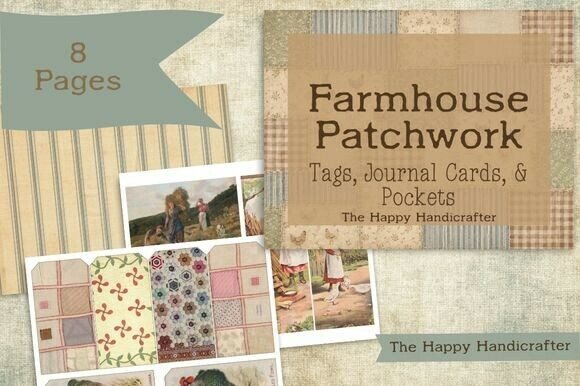
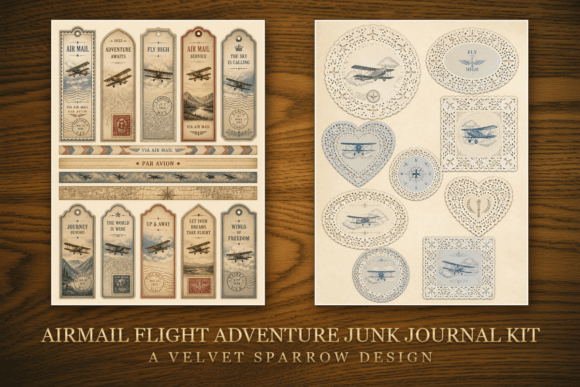
A printable kit is the fastest way to fill a journal with vintage paper. Out of 1751 junk journal designs on sale at Creative Fabrica, 1126 are sized for A4 or US letter, only 2 mention A5, and only 38 say how many pages are inside. If your journal is half-letter or A5, you will print at a reduced scale or two pages per sheet, so check that your printer offers that setting before you buy.
Print the first page on the paper you plan to bind, not on copy paper. Thin paper curls under glue, and you want to see that before you print the whole kit.
Frequently Asked Questions
What’s the easiest junk journal technique for a total beginner?
Pocket pages — folding paper into a simple three-sided envelope to tuck loose ephemera into. No gluing everything flat, no committing to a permanent layout before you’re ready.
Why does regular pen ink bleed through junk journal pages?
Junk journal paper is typically thinner and more absorbent than standard printer paper, so dye-based ink from ballpoint or gel pens soaks through. Archival pigment pens sit on the surface instead and don’t bleed.
Do I need special scissors for junk journaling?
Not strictly, but decorative-edge scissors make vintage-style borders and tags look intentional rather than roughly torn, and they’re inexpensive enough to be worth adding early.
What weight of paper should a junk journal be made from?
200gsm or heavier kraft paper holds up to glue, tape, and layered ephemera without buckling. Thinner paper warps once multiple layers of adhesive and paper stack on one page.
Can I start junk journaling without buying a pre-made album?
Yes, but building your own binding adds a step most beginners find discouraging before they’ve even started designing pages. A pre-bound blank album removes that barrier entirely.
Key Takeaways
- Start with pocket pages, not glued-flat layouts — the Secopad tape roller makes assembly fast without commitment to permanent placement.
- Archival pigment pens like the Sakura Pigma Micron set prevent ink bleed-through on thin journal pages.
- Rounded corners and decorative-edge cuts are the fastest way to make a page look finished instead of cluttered.
- A pre-bound album like the Bstorify 60-page kraft album removes the binding decision entirely for a first full journal.
About the author: Alina Farley is a POD seller who has spent years curating retro and vintage-style designs and decor for Etsy and Amazon Merch buyers, and knows which vintage aesthetics actually hold up under real-world use versus which ones just look good in a listing photo.